What should you look for when buying?
First, choose a drum size that suits your household’s usual combined laundry loads. Then check that the programmes, consumption figures and dimensions work for your home. The Verbraucherzentrale and the German Environment Agency point out that capacity and programme choice should reflect how the machine will actually be used.
| Buying consideration |
What to look for |
Who will find this most important? |
| Laundry hygiene |
Check the care label and the wash programmes actually available; if you have specific needs, take your circumstances into account. |
If you’re looking for a programme suited to your flannels, care label and household circumstances, laundry hygiene is your priority. Around 36% of consumers put suitable laundry hygiene first. |
| Drum capacity |
Match the stated capacity to your typical combined household loads; frequently washing small loads doesn’t automatically mean you need a larger machine. |
If you regularly wash flannels with towels and other suitable household laundry, having a drum that’s filled appropriately is what matters most. Around 29% of consumers put capacity for family loads first. |
| Electricity and water consumption |
Compare kWh per 100 Eco 40-60 cycles and litres per Eco cycle; don’t assume label figures apply to other programmes. |
If you use your machine regularly and want to compare running costs, the figures for the programmes you plan to use are key. Around 21% of consumers put electricity and water consumption first. |
| Installation and everyday use |
Check the appliance dimensions against your installation space, and compare the specific model’s spin noise and water protection features. |
If space, noise or water protection will influence your decision, make sure the model’s specifications meet your needs before buying. Around 14% of consumers put installation and everyday practicality first. |
Washing machines at Joybuy
This selection includes washing machines for combined family loads, as well as a portable mini appliance for washing small loads separately. Before buying, check that the capacity and design suit your usual laundry.
 No image available
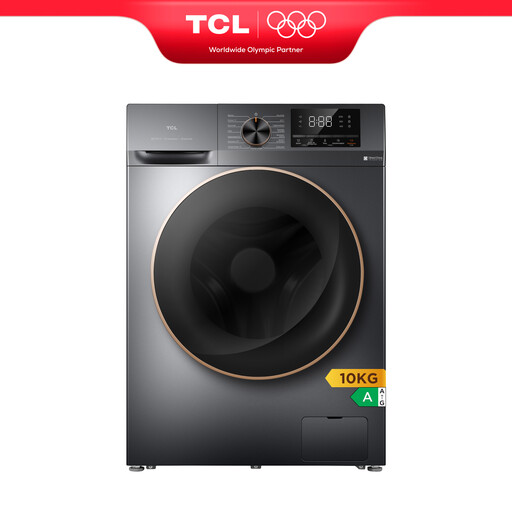
TCL FP2210SA0AMDE, 10 kg
With its stated 10 kg capacity, this model could suit larger combined family loads.
The product name lists a Smart DD motor, a steam programme, a 15-minute quick wash and an A energy rating.
Child lock and a finish-time delay are also listed in the product name.
View at Joybuy
 No image available
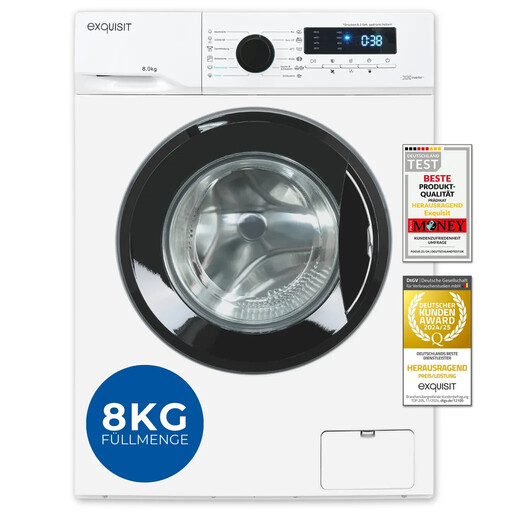
Exquisit WA58014-020A, 8 kg
The stated 8 kg capacity could suit regular household laundry with suitable fabrics.
The product name lists an A energy rating, a maximum spin speed of 1,400 rpm and 13 programmes.
A start-time delay and child lock are also listed.
View at Joybuy
 No image available
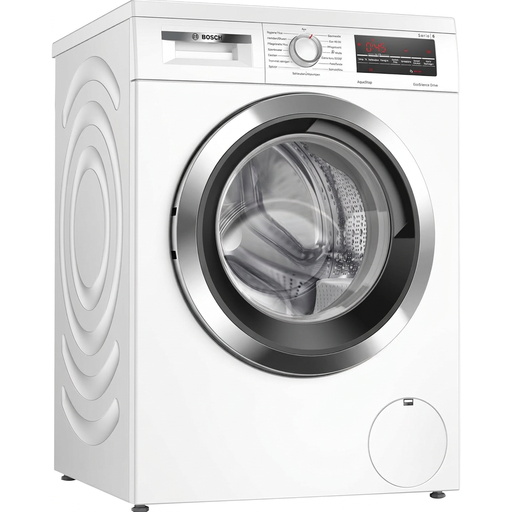
Bosch Serie 6 WUU28T48, 8 kg
The 8 kg capacity stated in the product name could suit regular family loads, provided it accommodates their size.
The product name lists 1,400 rpm, ActiveWater Plus, EcoSilence Drive and SpeedPerfect.
An add-laundry function and an A energy rating are also listed.
View at Joybuy
 No image available
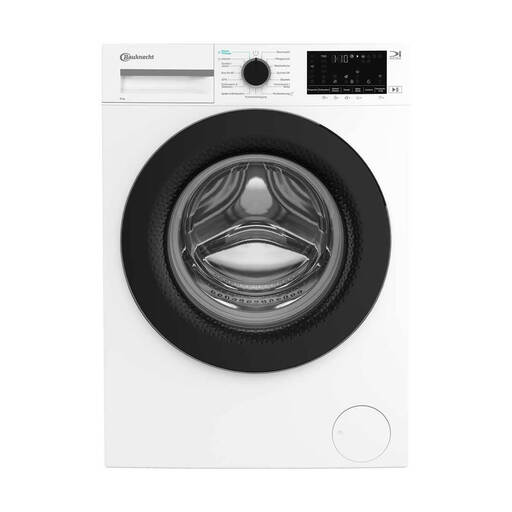
Bauknecht BW 8A10 BS, 8 kg
The stated 8 kg capacity could suit combined household loads, as long as it matches the amount of laundry you usually wash.
The product name lists a maximum spin speed of 1,400 rpm, Steam Therapy, Adaptive Wash and an A energy rating.
The model is described as white.
View at Joybuy
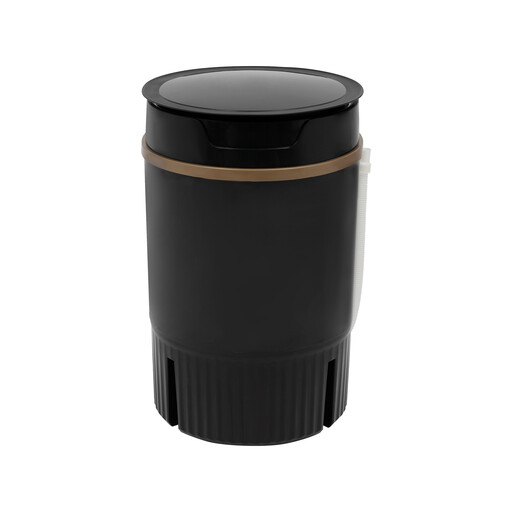 No image available
Portable semi-automatic mini washing machine, 4.5 l
The product name describes this portable mini appliance as suitable for small separate loads, such as underwear or baby clothes. It isn’t a substitute for a family washing machine for combined loads.
The product name lists a 4.5 l capacity, a semi-automatic design and 260 W.
The description also lists a removable drainage basket.
View at Joybuy
Frequently asked questions
Do flannels always need to be washed or disinfected at 60 °C?
No. According to the German Environment Agency, additional laundry disinfection isn’t generally necessary for normally soiled laundry belonging to healthy household members. Follow the care label and take the level of soiling into account. In the case of an infectious illness, a higher wash temperature of 60 °C or 95 °C may help reduce the risk of transmission. If you’re unsure, seek medical advice.
Does the Eco 40-60 programme actually wash flannels at 60 °C?
No. The programme name doesn’t guarantee that the fabric will reach 60 °C throughout the wash. The European Commission describes Eco 40-60 as a programme for normally soiled cotton that, according to its care label, can be washed at 40 °C or 60 °C. If you have specific hygiene requirements, also check the programme instructions and care label.
How can you prevent your washing machine from developing a smell?
To help prevent a build-up of bacteria, the German Environment Agency recommends running a 60-degree wash about every two weeks or after six washes. This is a recommendation, not a general legal requirement.
Which consumption figures are useful when comparing washing machines?
Compare the figures on the EU energy label on a like-for-like basis. These include the energy efficiency class, kWh per 100 Eco cycles, water consumption, capacity and spin noise level. The label doesn’t rate every programme, so also consider which programmes you’re likely to use at home.
Does a retailer in Germany have to take back your old washing machine free of charge?
Under § 17 ElektroG, retailers required to accept returns must take back a corresponding old appliance free of charge when you buy a new appliance of the same type. Check the legal requirements and how to arrange the return with the retailer concerned.


