What to consider when buying a washing machine for a flatshare
First decide whether you’ll mostly wash shared loads or often do small loads separately. Then you can compare drum capacity, programme load limits, energy and water use, and the space available more effectively.
| What matters to you |
What to check before buying |
Who should pay particular attention |
| Drum capacity for shared loads |
Estimate the size of your usual shared loads and compare them with the rated capacity. |
If you usually wash socks with other suitable items, choose a drum that suits that load. Around 33% of consumers put the size of the shared laundry load first. |
| Washing a few socks at short notice |
Check the load limit for the quick cycle you want and whether it’s suitable for the care label and level of soiling. |
If you don’t want individual items to wait until the next shared load, the programme’s maximum load matters more than the machine’s rated capacity. Around 25% of consumers prioritise small loads like these. |
| Ongoing electricity and water use |
Compare electricity use, water use and programme duration on the same Eco 40–60 basis. For your own cost calculations, also take usage and your tariff into account. |
If you need to weigh up the running costs of a shared machine, comparable energy label figures can help as a guide – but they won’t predict the cost of every programme. Around 25% of consumers put running costs first. |
| Installation space, spin noise and water protection |
Measure the access route, installation space and opening clearance; compare spin noise levels and check the water protection features and installation instructions. |
If the machine needs to fit in a cramped or shared space, its dimensions, operating clearance and noise rating are important. Around 17% of consumers prioritise space and noise. |
Joybuy washing machines for shared laundry
The front-loaders below are aimed at flatshares that collect their laundry for washing. If you often do small loads separately, check the maximum load for the relevant programme rather than looking only at the rated capacity.
 No image available
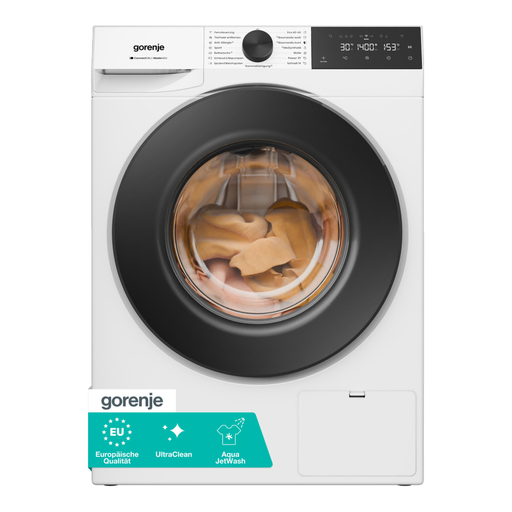
Gorenje W5G4S84AP2, 8 kg
For a flatshare that collects laundry and wants a front-loader with a rated capacity of 8 kg.
1,400 rpm; energy efficiency class A; 15 programmes; 460 mm deep.
View on Joybuy
 No image available
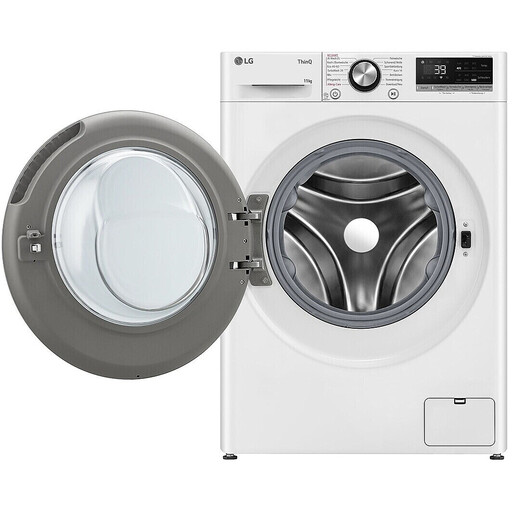
LG F4W11A, 11 kg
For a flatshare that wants to wash a larger shared load in a front-loader.
Rated capacity 11 kg; 1,400 rpm; AI DD and TurboWash 360°.
The 39-minute TurboWash 39 cycle time applies to a half load.
View on Joybuy
 No image available
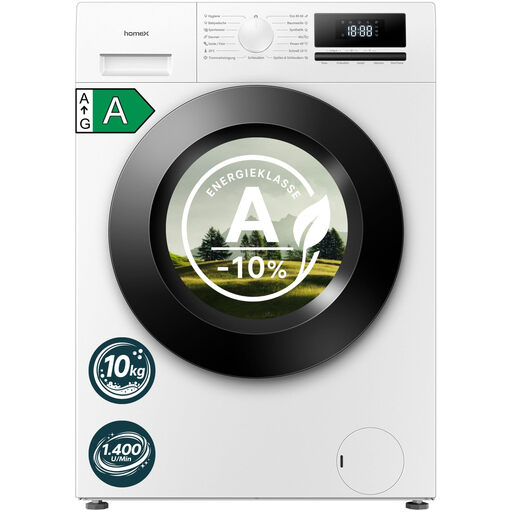
homeX WF1014H1A-W, 10 kg
For a flatshare looking for a front-loader with a rated capacity of 10 kg for shared loads.
1,400 rpm; energy efficiency class A.
The Fast-15' programme is described as suitable for lightly soiled loads.
View on Joybuy
 No image available
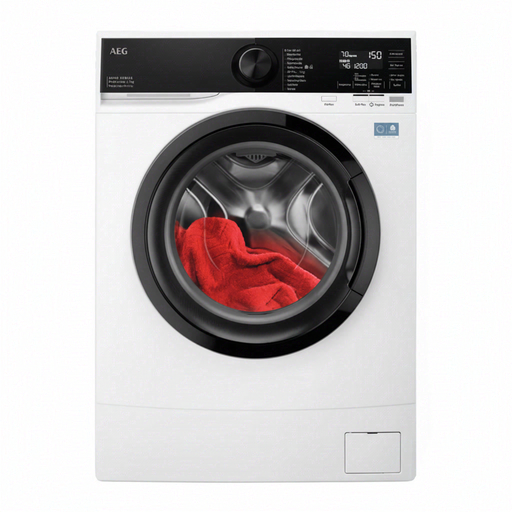
AEG LSR6FA75470 6000 Series ProSense Slim, 7 kg
For a flatshare considering a front-loader with a rated capacity of 7 kg.
1,400 rpm; energy efficiency class A.
The 20-minute programme is rated for loads of up to 3 kg.
View on Joybuy
 No image available
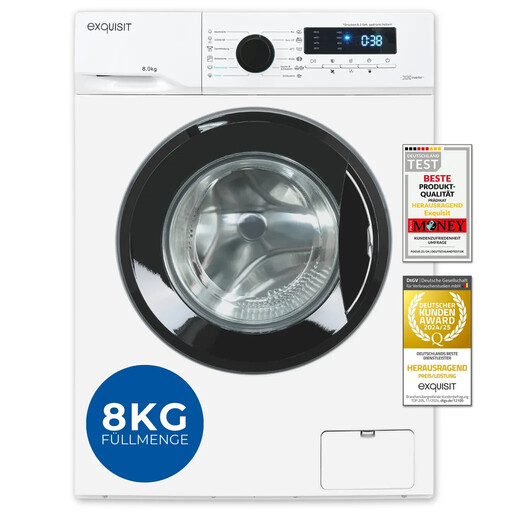
Exquisit WA58014-020A, 8 kg
For a flatshare looking for a front-loader with a rated capacity of 8 kg for shared loads.
Maximum 1,400 rpm; 13 programmes; energy efficiency class A.
View on Joybuy
Frequently asked questions about washing machines and cotton socks
Do cotton socks in a flatshare always need a boil wash?
No. The Umweltbundesamt says that disinfection or a boil wash is generally unnecessary in a typical household. Follow the care label and take the level of soiling into account. If someone has a weakened immune system, it may be worth seeking individual advice.
How can we prevent odours in a shared washing machine?
Don’t leave wet laundry in the drum for long. After washing, dry the seal and detergent drawer, and leave the compartments open. The Verbraucherzentrale also recommends running a suitable 60-degree white wash about once a month, using powdered biological detergent.
What should we check before installing a washing machine in a rented flatshare?
Check the planned connection and installation location, as well as water protection and how any damage would be covered. The Verbraucherzentrale recommends discussing installation with your landlord; this doesn’t mean washing machines are generally prohibited in rented homes.
What should we do with the old washing machine?
In Germany, old electrical appliances must be handed over to an authorised collection provider, such as a local collection point or a retailer required to take them back. Whether collection is offered when a new machine is delivered depends on the specific purchase and take-back arrangements, so check before ordering.
What repair rights apply when buying in Germany?
According to the Verbraucherzentrale, extended repair rights have applied since 31 July 2026; washing machines are among the large appliances covered. Claims against the manufacturer are separate from your statutory rights against the seller. A repair outside the warranty period isn’t automatically free.


