People who wash small loads
If you often wash underwear separately, check the load limit for the specific programme and whether the machine has a small-load function or describes how it adapts to the load.


If you mostly wash small loads, first check the maximum load for the programme you’ll actually use, and look for a clearly described option for adapting the wash to smaller loads. Don’t rely on the maximum drum capacity alone. For normally soiled underwear in a healthy household, the German Consumer Advice Centre considers 40 °C sufficient; care instructions and the occasional 60 °C wash should also be taken into account. The EU energy label relates to the Eco programme and doesn’t automatically tell you how much a quick or cotton programme will use.
If you often wash underwear separately, check the load limit for the specific programme and whether the machine has a small-load function or describes how it adapts to the load.
You want to distinguish between normally soiled underwear and laundry that needs extra hygiene care, rather than automatically choosing a specialist programme every time.
If space is limited, consider not only the appliance dimensions but also access to the door or lid, as well as room for connections and operation.
First, check whether the washing machine you want has a suitable programme for frequent small loads. Then consider temperature and care instructions, comparable consumption figures and the space available for installation together.
| Buying priority | What to look for when buying | Who it matters most to |
|---|---|---|
| Small loads | Check the permitted load for your chosen programme and whether the manufacturer describes a small-load function or load adjustment. | If I often wash just a few items, I want to know what load the selected programme actually allows. For around 36% of consumers, suitability for small loads is the most important buying priority. |
| Hygiene and temperature | Take the care label, level of soiling and programme temperature into account. The German Consumer Advice Centre considers 40 °C sufficient for normally soiled underwear in a healthy household. | I want to choose a temperature and wash programme that suit the fabric and situation, rather than relying on a short cycle alone. For around 29% of consumers, getting the right level of hygiene is a key consideration when buying. |
| Energy and water consumption | Compare kWh per 100 Eco cycles, as well as water use and programme duration on a like-for-like basis. The EU label relates to the Eco programme, not every quick or cotton wash. | If the machine runs frequently, I want to assess its ongoing energy and water use and avoid confusing the figures for my preferred programme with the Eco label. Around 21% of consumers put running costs first. |
| Space and access | Measure the available space, including connections and room to move. A top-loader needs space above it so the lid can open. | I need to be sure the door or lid will be easy to access where the machine is going. For around 14% of consumers, whether it fits in the intended space is the most important buying criterion. |
The energy label figure relates to the Eco programme. If you often choose another programme for small loads of underwear, you can’t use it to work out that programme’s consumption directly.
Only compare label figures on a like-for-like basis, and also check the information for the wash cycle you actually want to use.
For the Beko WML71465S, the manufacturer states that the Xpress programme takes 14 minutes for a maximum load of 2 kg. The cycle time alone doesn’t prove that this wash is suitable for every hygiene need.
Check the load limit and choose a temperature and programme to suit the care label, the level of soiling and the situation.
A slim front-loader needs room for the door to open and for connections; a top-loader needs to be accessible from above.
Before choosing a model, check the space available against the manufacturer’s full dimensions and connection requirements.
Depending on where you’re installing it, additional work may be needed for installation or connections.
The WGB244071 is a front-loader with a rated capacity of 9 kg and a specifically stated function for washing individual items.
The LSR6FA75470 and LTR6A60370 suit different installation needs: a slim front-loader and a top-loader.
The WML71465S is an option for buyers who want to check a quick programme with a clearly stated limit for small loads.
The WWB360 WCS PWash&8kg is a front-loader with a rated capacity of 8 kg and manufacturer-listed programme and dosing features.
The built-under iQ500 WU14UT71 is a front-loader with a rated capacity of 8 kg.
This selection includes front- and top-loaders with stated functions for partial loads or short programmes, as well as a cotton programme. Before buying, check the permitted load and the details of the programme you expect to use most often.
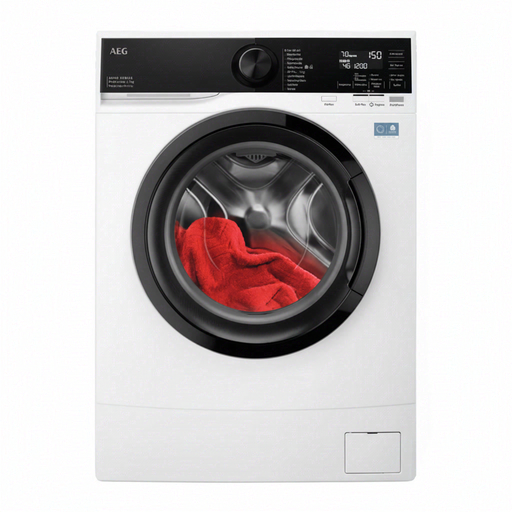 No image available
According to AEG, ProSense adjusts time, water and energy use for smaller loads; a Cotton programme is listed.
A 20-minute programme is specified for loads of up to 3 kg. The stated body depth is 487 mm; also measure the space needed for the door and connections.
 No image available
According to the product information, LoadSense detects the load, while an automatic water-level function adjusts water use.
Also listed are a Cotton programme, Quick 14 and Eco 40–60. The rated capacity is 13 kg; check the programme details for small loads.
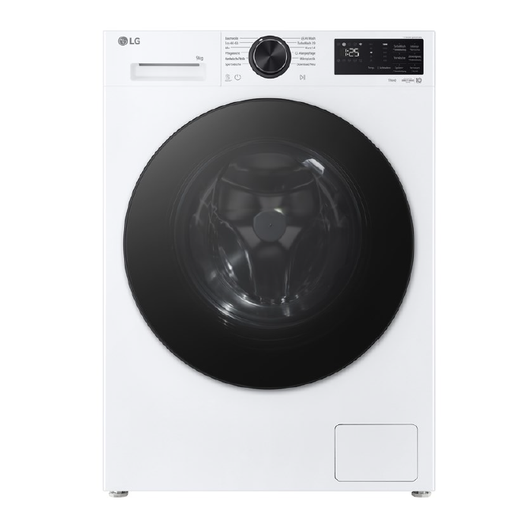 No image available
A Cotton programme is listed for cotton laundry; AI Wash is designed to adapt wash movements to the fabric type and load.
TurboWash is specified as taking 39 minutes for a half load. The product name lists a spin speed of 1200 U/min.
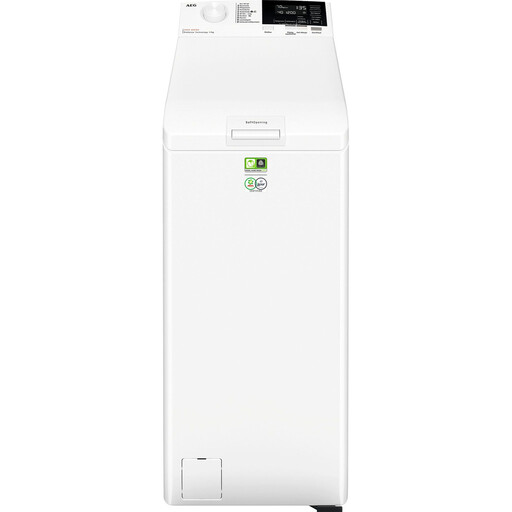 No image available
According to the product information, ProSense adjusts time, water and energy use to the load; a Cotton programme is listed.
A 20-minute programme is specified for loads of up to 3 kg. You’ll need clear space above the machine to open the lid.
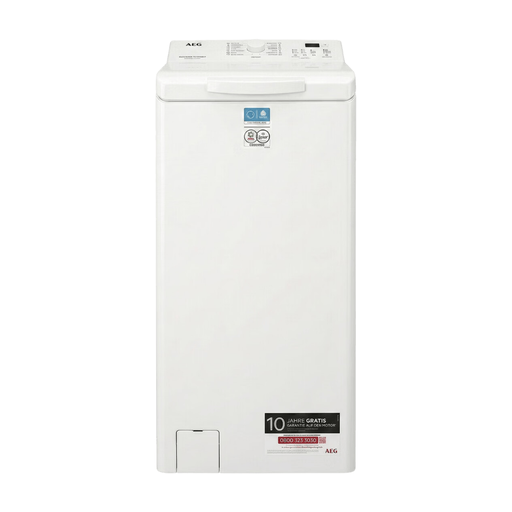 No image available
According to the product information, ProSense adjusts time, water and energy use to the load; a Cotton programme is listed.
A 20-minute programme is specified for loads of up to 3 kg. The product information gives a width of 40 cm; the lid needs room to open upwards.
No. The German Consumer Advice Centre considers 40 °C sufficient for normally soiled underwear in a healthy household, and recommends occasional washes at 60 °C if the care label allows it. If extra hygiene is needed, choose a programme and temperature to suit the situation.
No. The EU energy label includes figures such as electricity consumption for the Eco programme. It doesn’t show directly how much another programme will use with your particular load.
Compare the full installation and connection dimensions of your chosen model with the space available, and make sure there’s enough room to access the door or top lid. The body depth of 487 mm given by AEG for the slim LSR6FA75470 front-loader doesn’t replace these checks.
No. Waste electrical appliances must be collected separately. The German Environment Agency lists recycling centres and retailer take-back options; when you buy a new, similar large appliance, retailers are also required to take back your old one under certain legal conditions. Check collection arrangements when you place your order.