Frequent small-load washers
You wash just a few shirts at a time and want to compare load adjustment and consumption, rather than looking only at the maximum drum capacity.


If you often wash just a few cotton shirts, compare the load limits of the programmes you’ll actually use and how the specific model adjusts to different load sizes. A large drum or a quick programme alone won’t guarantee low consumption. Choose a programme based on the care label, how soiled the shirts are and how much time you have: Eco 40–60 is designed for normally soiled cotton labelled as suitable, while quick programmes mainly save time and may have their own load limits.
You wash just a few shirts at a time and want to compare load adjustment and consumption, rather than looking only at the maximum drum capacity.
You want the programme you choose to match the care label on your cotton shirts, even if that means the wash isn’t especially quick.
You need a machine for small loads, but have limited depth or width where it will be installed.
If you often wash small loads of shirts, your choice will mainly depend on whether consumption, fabric care, time or available space matters most to you.
| What matters | What to look for when buying | Who it matters most to |
|---|---|---|
| Consumption for small loads | Check the load adjustment features and consumption information for the specific model; note which programme the label figures refer to. | If I often wash just a few shirts, I want to know how the machine and programme handle partial loads. Around 36% of consumers prioritise consumption for small loads. |
| Programme choice and shirt care | Check the care label against the guidance for cotton, Eco and shirt programmes. | I want to wash my shirts in line with their care labels, rather than choosing a programme based only on its duration. Around 29% of consumers prioritise suitable fabric care and programme choice. |
| Time | Check the load limit and suitability of the specific quick programme in the programme chart. | If I need individual shirts again soon, a suitable programme with a short cycle matters to me. Around 21% of consumers prioritise having individual shirts ready quickly. |
| Space and installation | Check the appliance dimensions, door opening, connections and installation requirements against the space where it will actually go. | I need to be sure the machine will fit in the space available before comparing capacity and programme choice. Around 14% of consumers put available space first. |
A shorter cycle doesn’t prove that energy costs will be lower. The Federal Environment Agency notes that quick programmes mainly save time.
Choose a quick programme when it suits the level of soiling and the load is within its limit—not because you assume it will save energy.
A quick or fabric-care programme may have a lower load limit than the machine’s overall capacity. Beko specifies a maximum of 2 kg for the Xpress 14-minute programme on the BMMWFU374A, despite the machine’s 7 kg capacity.
Check the programme chart for the specific model before starting a load.
The door opening, connections and installation requirements also need to suit the space available.
Measure the installation space and check it against the full dimensions and installation instructions for the exact model you’re buying.
The 6000 ProSense range is worth considering if you often wash smaller loads and have limited depth to work with.
The BMMWFU374A front-loading machine is worth comparing if a quick programme is important for your small loads.
The W1 front-loading WWB360 WCS PWash&8kg is worth comparing if you regularly need more capacity as well as washing small loads.
The WAN282H3 is a point of reference for shirt/blouse and quick programmes.
This selection includes front-loading machines and portable mini washing machines. When washing cotton shirts, the care label, the load limit for the programme you choose and the specifications for the individual model are all important.
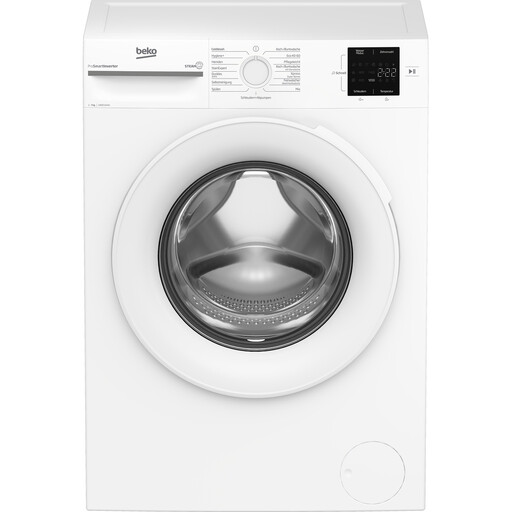 No image available
If you need small loads washed quickly, the quick programme may be useful; Beko specifies a maximum load of 2 kg for Xpress 14 minutes on the BMMWFU374A.
The product name lists a 7 kg drum capacity and 1.400 rpm.
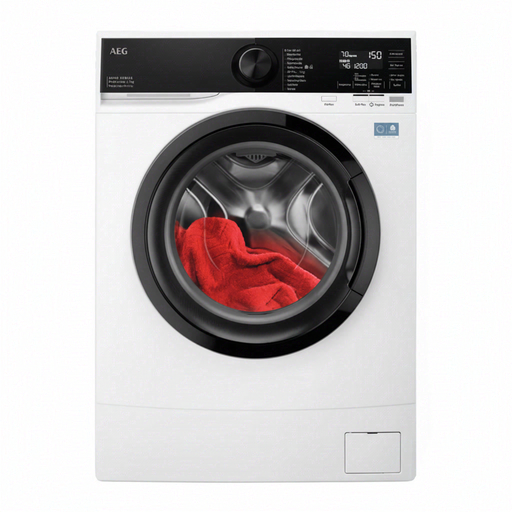 No image available
If you often wash shirts, the exact programme list matters. Check the care label against the model instructions before choosing a programme.
The product name lists a 7 kg capacity and ProSense®.
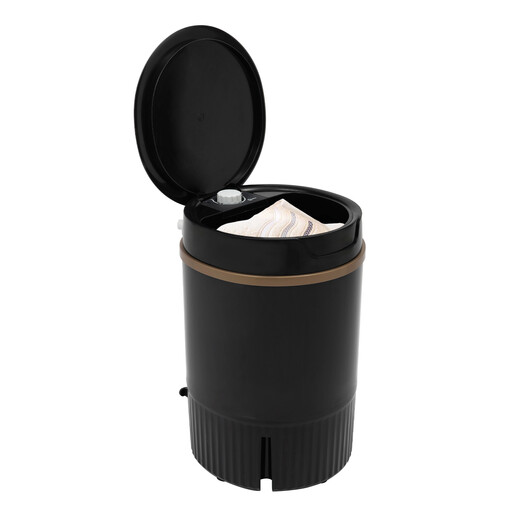 No image available
This product is described as a portable mini washing machine for small items. Before washing cotton shirts, check their care labels and the machine’s recommended load.
The product name lists 4,5 l, 260 W, a 1–10-minute wash cycle and a spin-drying basket.
 No image available
This model is described as a mini washing machine for small items. Before washing cotton shirts, check that the care labels and load guidelines are suitable for how you plan to use it.
The product name lists a 10 l capacity and a dual-rotation pulsator.
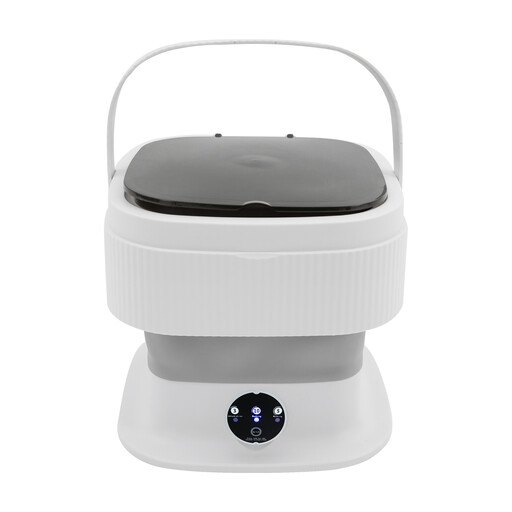
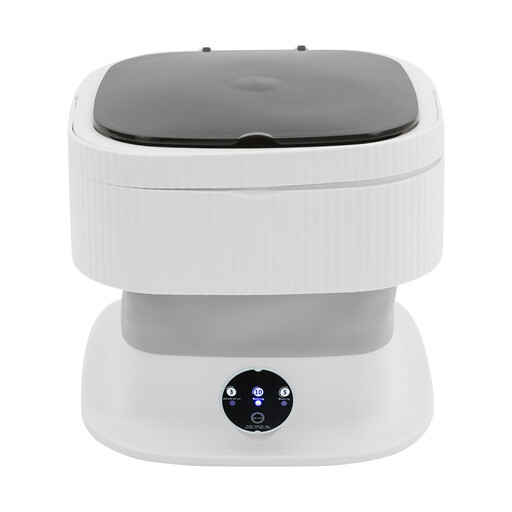 No image available
This foldable mini machine is described as suitable for small loads of laundry. Before using it for cotton shirts, check the machine’s care and load guidelines.
The product name lists 10 l (2,64 gal), three wash modes and touch controls.
No. This programme is designed for normally soiled cotton garments whose care labels allow washing at 40 °C or 60 °C. The European Commission describes Eco 40–60 as being for textiles with these care label instructions; check the label on the individual shirt.
No. The Federal Environment Agency distinguishes between saving time and saving energy. Also check the programme load limit: Beko specifies a maximum of 2 kg for Xpress on the BMMWFU374A.
Not necessarily. The permitted load may be lower for some programmes; Beko specifies a maximum of 2 kg for Xpress 14 minutes on the BMMWFU374A. Check the programme chart for the model you’re considering.
Check that the installation space and connections match the instructions for the model you’ve bought, and remove the transit bolts as directed. The Bosch instructions for the WAN282H3 specifically cover the installation space, transit bolts, connection and levelling as installation steps.
The standardised Eco 40–60 figures aren’t consumption figures for every quick or shirt programme. The European Commission describes Eco 40–60 as being for normally soiled cotton that, according to its care label, can be washed at 40 °C or 60 °C.