What should you consider when buying?
First, check whether the specific cotton programme allows you to select the temperature you want and whether that temperature is suitable for the care label. The European Commission describes Eco 40–60 as a programme for normally soiled cotton that can be washed at 40 °C or 60 °C according to its label. The programme name does not guarantee a textile temperature of 60 °C.
A front-loader for shared household laundry
A good fit if: you have room for the door to swing open and accessible connections, and regularly wash other laundry as well as towels.
The trade-off: A higher rated capacity doesn’t remove the need to check the available space, door clearance and your actual laundry needs.
A top-loader when floor space is limited
A good fit if: space is limited at the sides but there’s enough room above the machine to open the lid.
The trade-off: Check the temperature options for the specific cotton programme. Dimensions and features vary by model.
| Buying priority |
What to check before buying |
Who it matters to |
| A suitable towel programme |
Check the instruction manual for a cotton programme with a selectable 60 °C setting and its load limit; follow the care label. |
If I wash tea towels regularly, I want to be able to set a temperature that suits the care label. Around 33% of consumers put a suitable towel programme first. |
| Space and machine style |
Measure the available space, delivery route, connections and clearance for the door or lid; compare these with the model’s dimensions. |
If the utility room is narrow, the machine and its opening need to fit before drum size becomes a consideration. Around 27% of consumers prioritise available space and machine style. |
| Drum size |
Consider your usual mixed household loads and check the load limit for the programme you plan to use. |
If I wash towels with everyday household laundry, I want the rated capacity to suit my usual loads. Around 20% of consumers focus on mixed household loads. |
| Electricity and water consumption |
Compare the EU energy label and model specifications on the same Eco 40–60 test basis; check the spin noise level if there are living spaces nearby. |
If the machine runs regularly, I want to compare like-for-like electricity and water figures. Around 20% of consumers prioritise running costs. |
Washing machines at Joybuy
The Joybuy models below offer a range of drum sizes and space requirements. Before choosing a machine for tea towels, check the temperature options for each programme in the product details and instruction manual.
 No image available
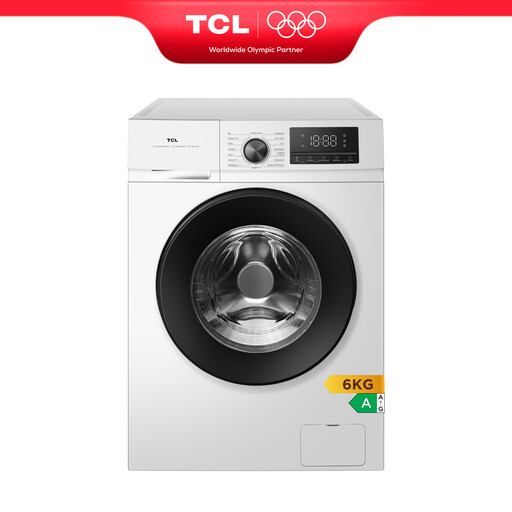
TCL FF0106WA2AMDE washing machine, 6 kg
The stated capacity may suit smaller household loads; check whether it also works for the rest of your laundry.
6 kg rated capacity; BLDC motor; steam wash function; 15-minute quick programme.
View at Joybuy
 No image available
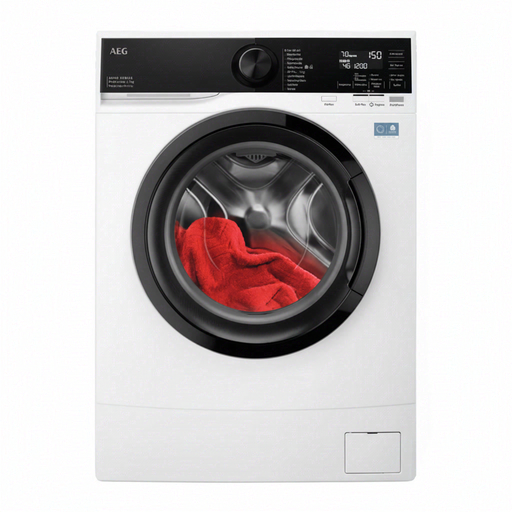
AEG LSR6FA75470 washing machine, 7 kg
The stated depth can help you compare machines for available space; remember to check the door clearance and connections too.
7 kg rated capacity; 487 mm depth; adjustable temperature; cotton, hygiene and allergy programmes listed.
Before buying, check the model specifications to find out which temperatures are available for the programme you want.
View at Joybuy
 No image available
LG F4WR5035 front-loading washing machine, 13 kg
The stated capacity may be worth considering for larger mixed household loads, but it won’t necessarily suit you if you usually wash just a few towels.
13 kg rated capacity; cotton programme with a selectable 60 °C setting according to the product details; AquaLock water protection.
View at Joybuy
 No image available
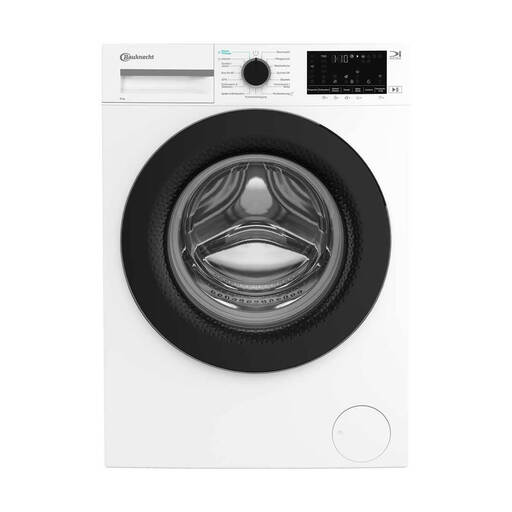
Bauknecht BW 8A10 BS washing machine, 8 kg
The listed dimensions make it easier to compare machines for available space; measure the room and door clearance first.
8 kg rated capacity; dimensions 84,5 × 60 × 55 cm; 1400 rpm; adjustable temperature.
Check the model specifications for the exact temperature settings available for the cotton programme.
View at Joybuy
 No image available
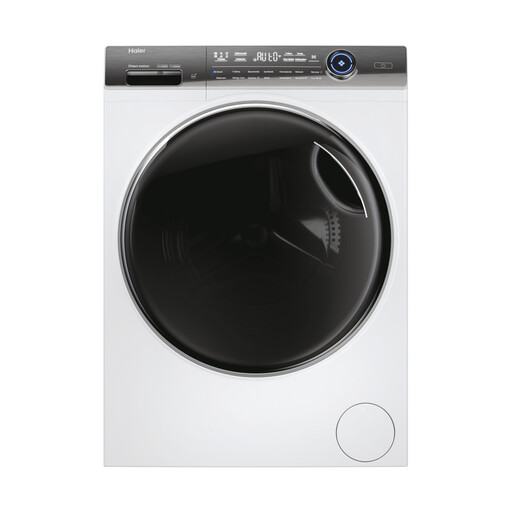
Haier I-Pro 7 Plus HW80-BD14979EU1 washing machine, 8 kg
The stated depth is useful to compare if you have limited space; check the full installation dimensions and connections too.
8 kg rated capacity; 50 cm depth; AquaStop system.
View at Joybuy
Frequently asked questions
Is Eco 40–60 enough for tea towels I want to wash at 60 °C?
Not based on the programme name alone. The European Commission describes Eco 40–60 as a programme for normally soiled cotton that can be washed at 40 °C or 60 °C according to its label; this doesn’t mean the textile will actually reach 60 °C. If the care label allows it, check the specific machine for a cotton programme with an explicitly selectable 60 °C setting.
What should I check before connecting a washing machine in the utility room?
Measure the available space and opening clearance, and check the delivery route, water inlet and outlet, and the installation instructions for the specific machine. An integrated water protection system may also be worth considering. If you rent your home, check the location and any insurance requirements in advance if necessary.
How can I prevent odours and avoid using more detergent than necessary?
Let used kitchen towels dry and replace them regularly. Dose detergent according to the load size, how soiled the washing is and the hardness of your local water. The Umweltbundesamt also recommends running a 60 °C wash once a month to prevent germs from growing in the machine.
Which consumption figures can I compare between washing machines?
Compare electricity consumption per 100 Eco 40–60 cycles and water consumption per cycle using the same energy label test basis. These figures let you compare models, but without knowing how often you use the machine and your electricity and water tariffs, they won’t tell you your personal running costs.
Does a retailer in Germany have to take back my old washing machine?
Under § 17 ElektroG, distributors covered by the law must take back an old appliance free of charge when supplying a new appliance to an end consumer, provided it is of the same type and performs essentially the same functions. The old appliance must be taken back at or near the place of delivery; check the arrangements when you buy. This doesn’t automatically mean that disconnection or installation will also be free.


