Which buying criteria matter most?
First, check whether workwear can be washed at home. Then choose a machine based on fabric care, separate loads, consumption and the space available.
For shoppers looking for a domestic washing machine for workwear that can be washed at home, as well as family laundry, the most important things to check depend on their priorities.
| Priority |
What to check before buying |
Who should pay particular attention |
| Cleaning suited to the fabric and type of dirt |
Check the care label, permitted temperature and suitable intensive or stain-removal programmes. A specialist programme does not guarantee that every stain will be removed. |
If I wash workwear separately, I want to match the programme and temperature to the fabric and level of soiling. Around 36% of consumers say suitable cleaning is their top priority when buying. |
| Capacity for separate loads |
Compare the size of your regular loads with the load limit for the programmes you actually use. The consumer advice centre recommends choosing a machine size that suits your household. |
If I wash family laundry and workwear separately, I want a drum that suits the amount of laundry I actually have. Around 29% of consumers prioritise the right capacity. |
| Electricity, water and detergent |
Compare kWh per 100 Eco 40–60 cycles and litres per Eco 40–60 cycle on a like-for-like basis. These energy label figures do not show consumption for every specialist programme. Dose detergent according to water hardness and how soiled the laundry is (EU energy label; Federal Environment Agency). |
If I do laundry frequently, I want to estimate running costs using comparable consumption figures. Around 21% of consumers put running costs first. |
| Installation, ease of use and water protection |
Measure the available space, including room to open the door or lid. Check the design, ease of use and the specific water protection system. The consumer advice centre lists water protection as a factor to consider. |
If space is limited, the machine needs to fit in the space available and be practical to use. Around 14% of consumers prioritise installation and ease of use. |
Joybuy products for family laundry and workwear
The following Joybuy domestic washing machines are worth considering for family laundry and separate loads. Only wash workwear at home if the care label and workplace requirements allow it.
 No image available
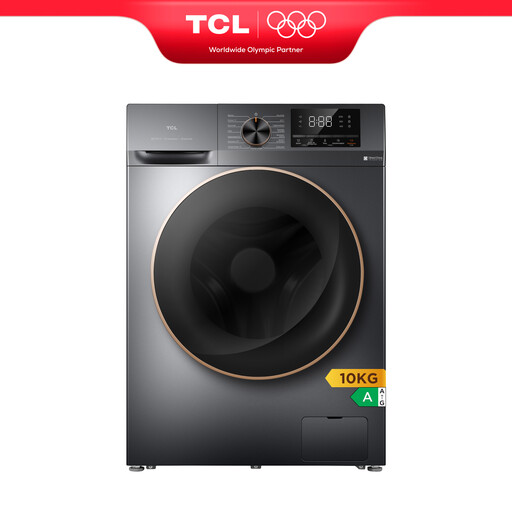
TCL FP2210SA0AMDE washing machine
The stated capacity of 10 kg may suit larger separate loads. Also check the load limit for the programme you choose.
The product title lists an A energy rating, Steam Wash, a 15-minute quick wash and a child lock.
Only wash workwear if the care label and workplace requirements allow it.
View at Joybuy
 No image available
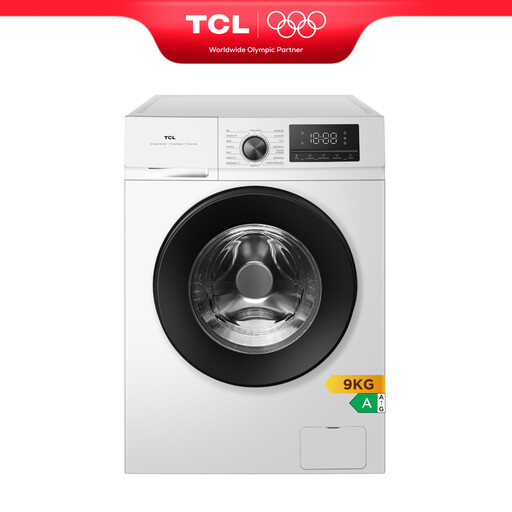
TCL FF0109WA2AMDE washing machine
The stated capacity of 9 kg may suit regular family laundry. Smaller programmes may have different load limits.
The product title lists an A energy rating, Steam Wash, a 15-minute quick wash and a child lock.
Only wash workwear if the care label and workplace requirements allow it.
View at Joybuy
 No image available
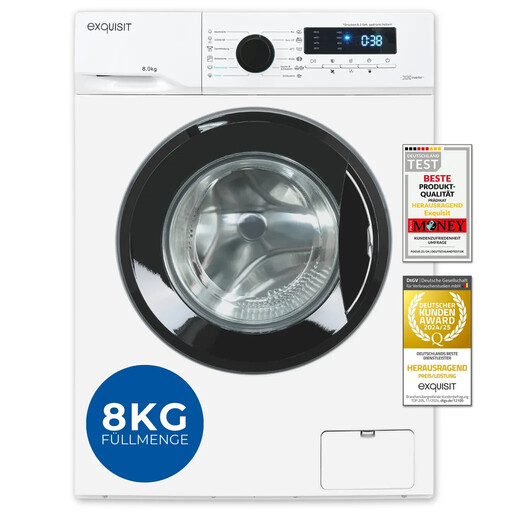
Exquisit WA58014-020A washing machine
The stated capacity of 8 kg may suit separate loads of family laundry and workwear. Check the limits for individual programmes too.
The product title lists an A energy rating, a maximum spin speed of 1,400 rpm and 13 programmes. The description includes cotton care, pre-wash and a quick programme.
Only wash workwear if the care label and workplace requirements allow it.
View at Joybuy
 No image available
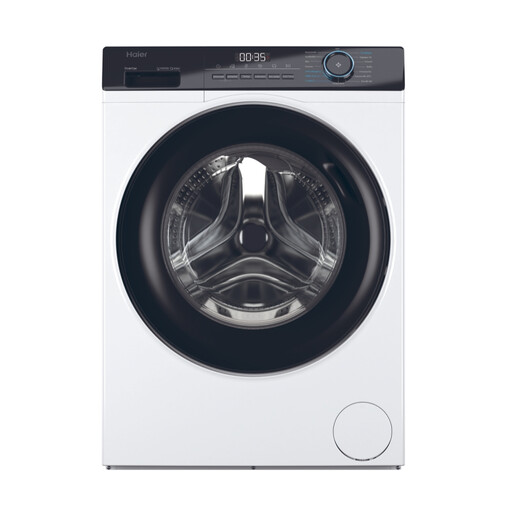
Haier I-PRO SERIES 3 washing machine
The description lists a 9 kg capacity for cotton and automatic load detection. Check that the programmes listed suit your fabrics.
It also lists an A energy rating, a maximum spin speed of 1,400 rpm, temperature settings from cold to 90 °C and an AquaStop hose.
Only wash workwear if the care label and workplace requirements allow it. The available temperature setting is no substitute for the permitted fabric care instructions.
View at Joybuy
 No image available
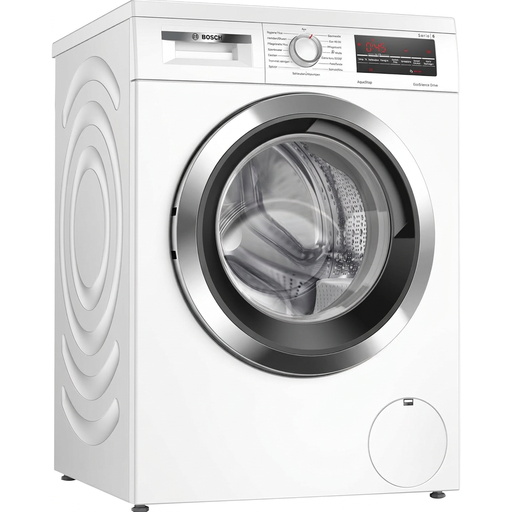
Bosch Series 6 WUU28T48 washing machine
The stated capacity of 8 kg may suit regular household laundry. Bear the load limits of each programme in mind.
The product title lists a maximum spin speed of 1,400 rpm and an A energy rating. The description lists AquaStop, Hygiene Plus, sportswear, wool and quick programmes.
Only wash workwear if the care label and workplace requirements allow it. A hygiene programme is no substitute for specific cleaning instructions.
View at Joybuy
Frequently asked questions
Does workwear always need to be washed at 60 °C?
No, not as a general rule. The Federal Environment Agency says that lower temperatures are sufficient for many everyday household textiles. The care label and type of soiling are what matter. For PPE, the manufacturer’s instructions and workplace requirements also apply.
Can I wash personal protective equipment with the family laundry?
Not simply because your washing machine has a hygiene or steam programme. The Federal Institute for Occupational Safety and Health outlines employers’ responsibilities where PPE is required, and the importance of following the manufacturer’s cleaning instructions. The DGUV specifically warns against washing protective clothing used for waste collection at home, as this may spread contamination. Check with your employer before washing it.
What should I consider when installing a washing machine?
Check the dimensions of the specific machine, the space needed to open the door or lid, and whether it will be easy to use in its intended location. The consumer advice centre also recommends considering a built-in water protection system when buying.
How can I keep track of detergent and running costs?
Compare energy label consumption figures only on the same Eco 40–60 basis; they do not cover every specialist programme. Dose detergent according to water hardness and how soiled the laundry is, as recommended by the Federal Environment Agency.
Who should I contact if something is wrong with my purchase?
If a newly purchased product is faulty, the seller is generally responsible under the statutory warranty, not the manufacturer in the first instance. The consumer advice centre states that the warranty period is two years. A voluntary manufacturer’s guarantee is separate.


