If you mostly need to wash individual school clothes, start by comparing drum size, the permitted load for the programmes you need and consumption figures measured on the same programme basis. A high rated capacity alone won’t make small loads more economical. A quick wash may suit lightly soiled clothes you need in a hurry, provided the care label and programme load allow it. The German Environment Agency points out that a shorter cycle doesn’t automatically save energy. The EU energy label rates consumption for the “eco 40–60” programme, not automatically for a quick wash.
Which washing machine is right for you?
Families with small everyday loads
If you often wash individual school clothes, choose a drum size, programmes and consumption levels that suit the amount of laundry you usually have. The Verbraucherzentrale, the German Environment Agency and AEG all highlight choosing the right appliance size and adapting to smaller loads as important considerations.
Families dealing with stains and mixed fabrics
When clothes have stains or different care labels, it’s important to choose suitable programmes and adjust detergent dosage to the load size, how soiled the clothes are and your water hardness. The Verbraucherzentrale and the German Environment Agency offer guidance on this.
Families short on time or space
If you need clothes again at short notice or have limited space for your washing machine, check whether a quick programme is suitable and what its load limit is, or check the dimensions of the specific appliance. The German Environment Agency, AEG and Siemens highlight model- and programme-specific points to consider.
What matters when washing small loads
First check what size loads you wash regularly, then look at the programmes that suit them. After that, check whether a quick wash is suitable for the clothes you need to wash.
| Buying priority |
What to check before you buy |
Who it matters most to |
| Consumption and drum size |
Consider your usual load size as well as the occasional larger wash; compare electricity and water consumption for the “eco 40–60” programme only on the same label basis. |
If we usually wash individual school clothes, I want a drum that suits those loads while still allowing for the occasional larger wash. Around 36% of consumers put a suitable drum size and consumption first. |
| Stains and fabric care |
Check that the programmes you need and their permitted loads are suitable for the care labels; dose detergent according to load size, how soiled the clothes are and water hardness. |
When dealing with stains and different care labels, I need suitable programmes rather than simply the shortest wash. Stain treatment and fabric care are the main priorities for around 29% of consumers. |
| Having clothes ready in time |
Check the programme duration, permitted load and suitable soil level in the manual; remember to allow time for drying afterwards, too. |
If I need a particular item of clothing again at short notice, a suitable quick wash with the right load size matters. Having clothes ready in time is the top priority for around 21% of consumers. |
| Space and noise |
Check the appliance dimensions and the clearance needed for connections and opening the door in the installation instructions; compare noise levels only on a like-for-like label basis. |
If space is tight or the surroundings are sensitive to noise, the specific appliance must fit, including the room needed for connections and the door. Around 14% of consumers prioritise space or noise. |
Common buying misconceptions
-
Assuming every programme can take the maximum drum load
Easy-care, delicate and wool programmes have different load limits from standard cotton washes. A high rated capacity doesn’t tell you how much laundry is allowed in a particular programme.
Check the manual for the permitted loads of the programmes you might use for school clothes.
-
Assuming a quick wash is an energy-saving programme
A shorter cycle doesn’t prove that it uses less energy. The European Commission bases the energy label’s consumption figures on “eco 40–60”; the German Environment Agency points out that quick programmes don’t save energy simply because they take less time.
Use quick washes only for suitable clothes, and compare consumption figures on the same programme basis.
-
Measuring only the stated appliance depth
You also need to allow for connections and enough room to open the door. A shallow appliance tells you nothing about its other dimensions or the clearance it needs.
Before choosing, check the installation dimensions of the specific model and compare them with the space available.
-
Choosing a washer-dryer just for small loads
A washer-dryer may be a useful alternative if you also have limited space for air-drying. The Verbraucherzentrale points out that washer-dryers use more electricity and water than separate appliances.
Only include a washer-dryer in your comparison if the extra drying stage would be useful in your day-to-day life and your clothes are suitable for it.
Relevant brands and specific model ranges
The examples below refer to specific model ranges and manufacturer information; they are not a general assessment of the brands concerned.
AEG
The 6000 ProSense LSR6FA70268 is worth considering if you often wash small loads and have limited depth for your appliance.
- AEG lists this model as having a 6 kg capacity, a maximum appliance depth of 416 mm and energy class A. It says ProSense adjusts the time, water and energy consumption for smaller loads.
- A 6 kg capacity may be limiting for larger household loads. The energy class doesn’t indicate the consumption of an individual quick programme.
Bosch
The Serie 6 front-loading WUU28T48 is an example of a larger-capacity machine for households that regularly wash bigger loads as well as school clothes.
- Bosch lists this model as having an 8 kg capacity, energy class A and AquaStop. Its dimensions are 845 × 598 × 590 mm (H × W × D).
- Check that its dimensions fit your space. The energy class doesn’t automatically tell you how much every quick programme uses.
Siemens
The iQ500 WG44G2Z22 may be worth shortlisting if you wash larger loads as well as smaller items that need washing in a hurry.
- Siemens lists this model as having a 9 kg capacity, a 15-minute option and waterPerfect Plus, which adjusts the water level to the load.
- The 9 kg rated capacity should suit the rest of your laundry needs. AquaStop is listed as “No” for this model.
Miele
The WWG880 WPS PWash&TDos&Steam is worth considering if you want automatic dosing and additional features.
- Miele lists this model as having a 9 kg capacity, automatic dosing and QuickPowerWash.
- Capacity and additional features alone don’t prove that a machine is especially good for frequent small loads. Check the programme load limits against your needs.
Joybuy models for small loads and quick washes
The Joybuy models below include front- and top-loading machines with capacities of 6 to 9 kg and a range of quick programmes. Compare the permitted load for each programme, and remember that a shorter cycle doesn’t prove lower energy consumption.
 No image available
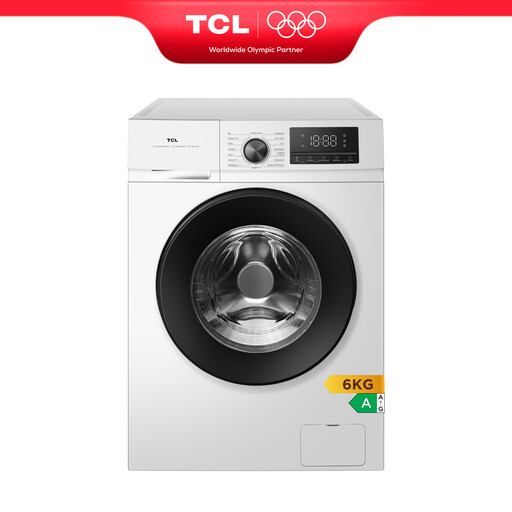
TCL FF0106WA2AMDE washing machine, 6 kg, BLDC motor, Steam Wash
The stated 6 kg capacity is a useful guide for households that often have smaller loads. TCL lists a 15-minute quick wash, Steam Wash and energy class A; the quick wash isn’t confirmed as an energy-saving programme.
View at Joybuy
 No image available
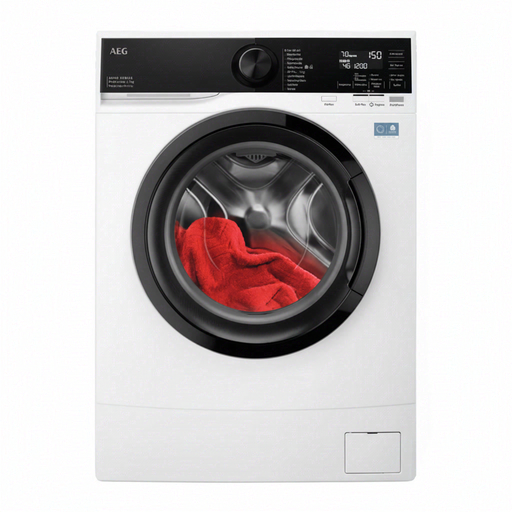
AEG LSR6FA75470 Series 6000 Slim, 7 kg
According to the product information, the 20-minute cycle is for lightly soiled loads of up to 3 kg. AEG also lists an appliance depth of 487 mm, energy class A and 45 kWh per 100 cycles; the quick wash isn’t confirmed as an energy-saving programme.
View at Joybuy
 No image available
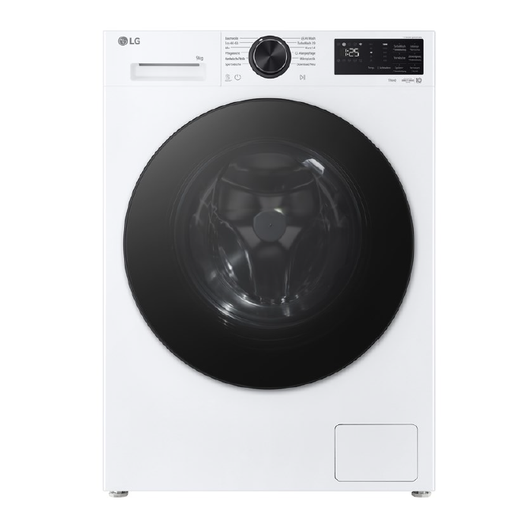
LG F2X7SLIM9W washing machine, 9 kg, 1200 rpm, Slim Fit
For varying load sizes, LG lists AI Wash, which adjusts drum movements to the fabric type and load weight. The product information also includes Quick 14 for lightly soiled laundry and TurboWash 39 for a half load; a shorter cycle doesn’t prove energy savings.
View at Joybuy
 No image available
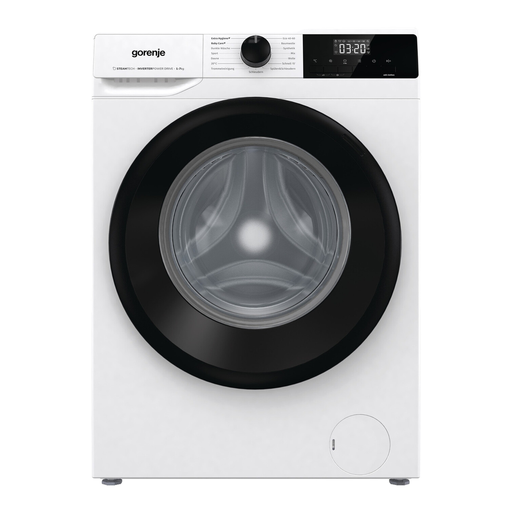
Gorenje WNHEI74SAPS/DE washing machine, 7 kg
Gorenje lists a 15-minute programme, along with programmes for wool, delicates and Eco 40–60. The machine has a stated capacity of 7 kg and measures 46.5 × 59.6 × 85 cm. The quick programme isn’t confirmed as an energy-saving programme.
View at Joybuy
 No image available
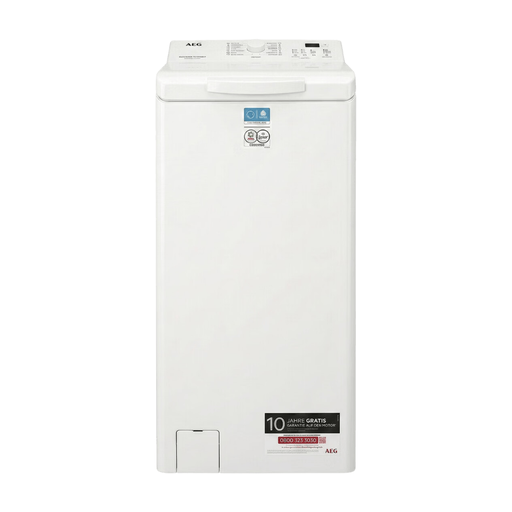
AEG LTR6A41460 top-loading washing machine, 6 kg, ProSense
With its top-loading design and 6 kg capacity, this model may be worth considering for smaller loads. AEG says ProSense adjusts the time, water and energy consumption to the load size. The specifications also list 42 kWh per 100 cycles, 43 litres per cycle and a 20-minute programme for 3 kg. The quick wash isn’t confirmed as an energy-saving programme.
View at Joybuy
Frequently asked questions
Does energy class A mean the quick wash is especially economical?
No. The EU energy label rates consumption for the “eco 40–60” programme, as the European Commission explains. These figures don’t show the consumption of a specific quick programme.
How much detergent should I use for a small load?
Follow the detergent packaging instructions and take the load size, how soiled the clothes are and your local water hardness into account. The Verbraucherzentrale recommends treating stains promptly so they don’t dry in.
What should I check before installing a washing machine?
Compare the full dimensions and installation instructions for the specific model with the space available, allowing for connections and room to open the door. The Verbraucherzentrale lists built-in water protection as a useful buying criterion, not as a general legal requirement for buyers.
Who is responsible if there’s a fault: the retailer or the manufacturer?
The seller is responsible for the statutory warranty; a manufacturer’s guarantee is an additional voluntary service, subject to its own terms. If there’s a fault, repair or replacement may be the first step, as the Verbraucherzentrale explains.
Can I return an old appliance when buying online?
In Germany, online retailers also have a duty to take back old electrical appliances. Whether and how a large appliance can be collected from your home depends on the legal requirements and the agreement made when you buy it. Check the specific take-back arrangements with the retailer before placing your order. The German Federal Ministry for the Environment explains the take-back requirements.


