
Lieferung heute & morgen

Qualitätsgarantie

Willkommens-Angebote freischalten: KOSTENLOSE Lieferung | Bis zu 80 % RABATT | Kostenlose 30-Tage-JoyPlus-Testphase
App herunterladen
A good reusable water bottle is an everyday companion—at the office, during sports, or on the go. But the market is saturated, and many products don't live up to their promises. Before you make a decision, it's crucial to know the typical pitfalls that often only become apparent after a few weeks of use. This guide will help you cut through the noise and find a bottle that truly fits your needs.
Many buyers focus on colour and design, overlooking critical functional weaknesses. Three problems are particularly common and can quickly render a bottle useless.
To avoid these problems, you should check three core parameters before buying. These define the durability, safety, and real-world usability of your future water bottle.
The choice of material affects weight, durability, insulation performance, and taste.
The lid mechanism is the most common weak point.
Practical details determine whether a bottle is a pleasure to use.
Based on these criteria, we have identified several models that are well-suited for specific use cases.
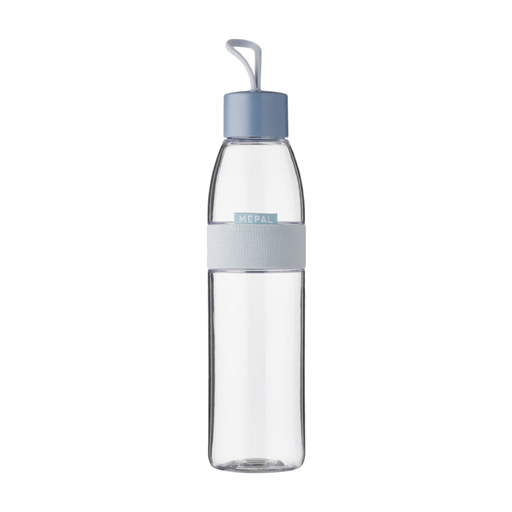
Why This Fits Their Persona: Ideal for the office, university, and daily use. The lightweight yet robust PCTG material is BPA-free, and the 700ml size covers your hydration needs for several hours. The bottle is designed for transport in bags and backpacks.
The manufacturer states the screw-top lid is 100% leak-proof and explicitly suitable for carbonated drinks—a common weak point in other bottles. The wide opening and dishwasher-safe design (without the rubber band) prevent hygiene issues.
Suitable for carbonated drinks; easy to clean due to dishwasher-safe design; BPA-free.
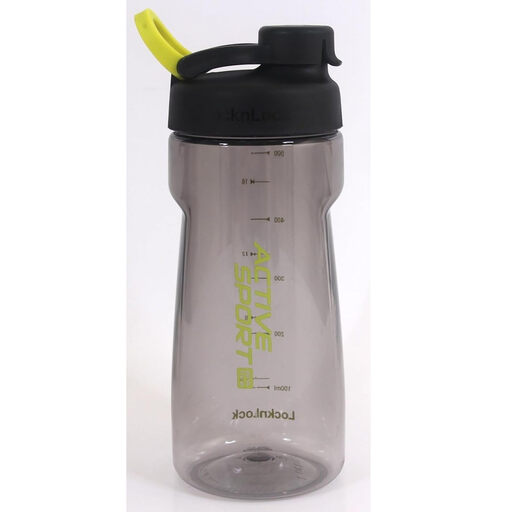
Why This Fits Their Persona: Designed for use at the gym, while running, or cycling. The large 730ml capacity is ideal for longer workouts, and the lightweight Tritan material adds hardly any weight.
The one-touch flip-top lid features a locking clip. This prevents it from accidentally opening in a gym bag—a classic problem with basic sports bottles. The shatterproof Tritan is more durable than conventional plastic.
One-handed operation with a safety lock; robust and lightweight Tritan material (BPA-free).
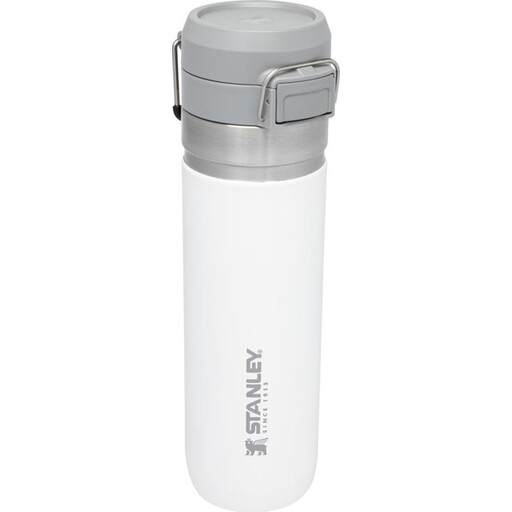
Why This Fits Their Persona: For commuters, hikers, and anyone who wants to enjoy their coffee hot in the morning and their water cold in the afternoon. The stainless steel construction is designed for durability and maximum insulation performance.
Unlike cheap insulated bottles whose performance quickly degrades, this model relies on proven double-wall vacuum insulation. This technical feature ensures reliable and long-lasting temperature control.
Keeps drinks hot or cold for up to 12 hours, according to the manufacturer; made from durable 18/8 stainless steel.
We've compiled a complete, up-to-date list of products that fully meet these strict selection criteria and safety regulations.
For daily hygiene, rinsing with hot water is sufficient. For a thorough cleaning, which should be done every 2-3 days, use warm water, a drop of mild dish soap, and a bottle brush to reach the bottom and inner walls. Disassemble the lid as much as possible and clean the seals and threads carefully. Check the manufacturer's instructions for dishwasher safety. If odours develop, it helps to let the bottle sit overnight filled with a mixture of water and a spoonful of baking soda.
BPA (Bisphenol A) is an industrial chemical that was used in the manufacturing of certain plastics. Because it raises health concerns, the "BPA-free" label is an important indicator that the manufacturer has avoided this substance. Materials like Tritan, polypropylene (PP), or stainless steel are considered safe alternatives for food contact. Look for products from established manufacturers that provide transparent information about the materials used.
No. The pressure created by carbonation can damage the lid of unsuitable bottles or even force it open, leading to leaks. Only use carbonated drinks in bottles that are explicitly declared as suitable for carbonation by the manufacturer. These models have more robust seals and lids designed to withstand the pressure. Additionally, never fill such bottles to the very top.