
Lieferung heute & morgen

Qualitätsgarantie

Willkommens-Angebote freischalten: KOSTENLOSE Lieferung | Bis zu 80 % RABATT | Kostenlose 30-Tage-JoyPlus-Testphase
App herunterladen
A good, reusable water bottle is a daily companion. Yet, the search for the right model can quickly become overwhelming. Many products promise durability and functionality, but in practice, flaws often appear after a short time: a leaky seal that soaks your bag, an unpleasant aftertaste, or insulation performance that falls far short of marketing claims.
As a Joybuy Product Recommendation Officer, I analyse product information daily to help you avoid such costly mistakes. Before you make a decision, you should be aware of the three most common pitfalls:
To make an informed decision, you should focus on a few crucial technical specifications. These determine whether a bottle will truly perform in your daily routine.
The material is the foundation for your bottle's taste, weight, and durability.
A reliable lid is essential to ensure a leak-proof function.
An insulated bottle works via a double-walled construction with a vacuum in between. This vacuum prevents heat transfer between the contents and the environment. The duration of insulation depends on the quality of the vacuum, the lid, and the filling volume. A larger bottle tends to maintain temperature longer than a smaller one.
Instead of presenting an overwhelming list, we have selected models that meet specific needs and avoid the pitfalls mentioned earlier.
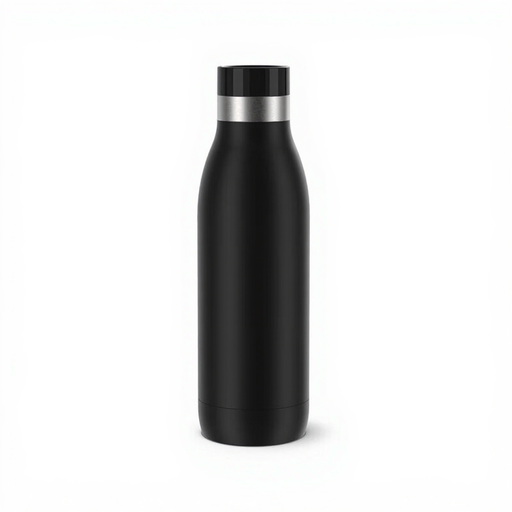
Why This Fits Their Persona: Ideal for the daily commute and the office desk. The slim profile fits into standard bags and holders. The 360° drinking opening allows for easy sipping from any direction without having to fully unscrew the lid.
The manufacturer states the Quick-Press seal is 100% leak-proof and designed for frequent, long-term use. Its dishwasher-safe design ensures easy, hygienic cleaning, which prevents odour build-up.
Excellent insulation performance (up to 12h hot/24h cold, according to Tefal) combined with a robust stainless steel construction and easy cleaning.
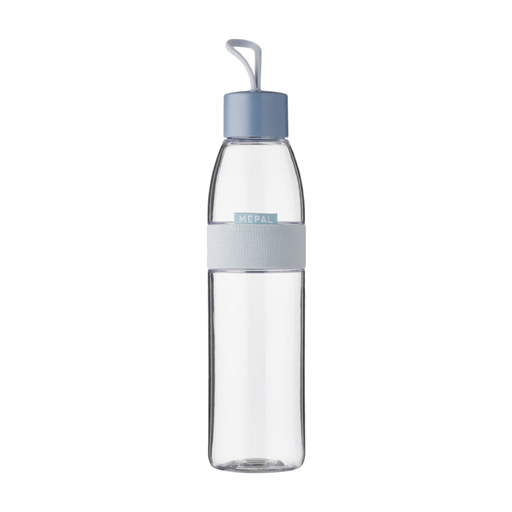
Why This Fits Their Persona: With a 700 ml capacity and a very lightweight design, this bottle is perfect for the gym, hiking, or other sports activities. The convenient loop ensures the lid never gets lost.
According to the manufacturer, Mepal, this bottle is explicitly suitable for carbonated drinks, setting it apart from many basic plastic bottles. The PCTG material is taste-neutral and free of plasticisers.
Large volume with a very low weight (132 g). Its suitability for carbonated drinks and dishwasher-safe design make it a highly practical sports bottle.
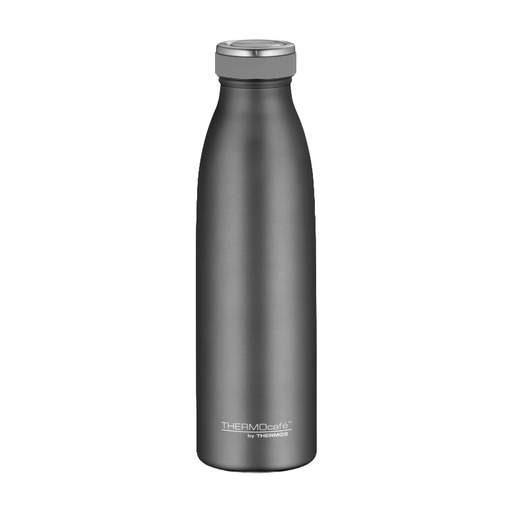
Why This Fits Their Persona: For anyone who values high and reliable insulation performance for tea, coffee, or chilled drinks. The slim, everyday design fits into most bags.
The Thermos brand is renowned for its insulation technology. The rubberised screw cap not only provides a secure grip when opening but is also designed to handle the pressure from carbonated drinks and is completely leak-proof, according to the manufacturer.
High insulation performance (up to 12h hot/24h cold, according to the manufacturer) and a tight seal, even with carbonation. The stainless steel is odour- and taste-neutral.
We have compiled a complete, up-to-date list of products that fully meet these strict selection criteria and safety standards.
For daily cleaning, rinsing the bottle with warm water and a little washing-up liquid is usually sufficient. Many models are dishwasher-safe, which simplifies cleaning—please check the manufacturer's instructions. To remove odours or stubborn residue, you can use special cleaning brushes or cleaning tablets for water bottles. A tried-and-true home remedy is a mixture of warm water and a spoonful of baking soda, left to soak overnight.
No. The pressure created by carbonation can damage the lid or cause leaks in unsuitable bottles. Always check the manufacturer's product description. Bottles explicitly designated as a water bottle for carbonated drinks have a reinforced lid and a seal that can withstand this pressure.
BPA (Bisphenol A) is a chemical plasticiser that was used in some plastics and can be a potential health concern. A BPA-free label means that this specific substance is not included. High-quality plastic bottles today often use materials like Tritan or PCTG, which are considered safe, food-grade, and do not contain plasticisers. With a stainless steel water bottle or glass bottle, this issue does not arise in the first place.