
Lieferung heute & morgen

Qualitätsgarantie

Willkommens-Angebote freischalten: KOSTENLOSE Lieferung | Bis zu 80 % RABATT | Kostenlose 30-Tage-JoyPlus-Testphase
App herunterladen
A leaky bottle in your bag, lukewarm coffee after just one hour, or an unpleasant plastic taste—the search for the right water bottle can be frustrating. The market is flooded with products that make big promises. But often, behind the bold marketing claims, lie design flaws that severely limit their everyday usability.
As a Joybuy Product Recommendation Officer, I analyse product features daily to help you make informed decisions. This guide will show you the most common pitfalls to avoid when buying and which objective criteria truly matter.
Before we get to the solutions, it's important to understand the typical problems that can lead to a bad purchase.
To avoid these traps, focus on three verifiable core features.
The material determines durability, weight, and the taste experience.
The lid mechanism is critical for everyday practicality. A simple screw-on lid with a thick, well-seated silicone gasket is often the most reliable solution. For a travel coffee mug or a sports bottle, flip-top or push-button lids are practical as they allow for one-handed operation. Check if the mechanism can be easily disassembled for thorough cleaning.
For hot or cold drinks, double-wall vacuum insulation is the standard. This technology creates an insulating barrier between the inner and outer walls. The retention time stated by the manufacturer (e.g., "keeps hot for 12 hours") is a benchmark. Actual performance depends on the ambient temperature, the fill level, and how often you open it. A larger thermal mug will generally maintain the temperature longer than a smaller model.
Based on these objective criteria, we have selected a few models for specific use cases.
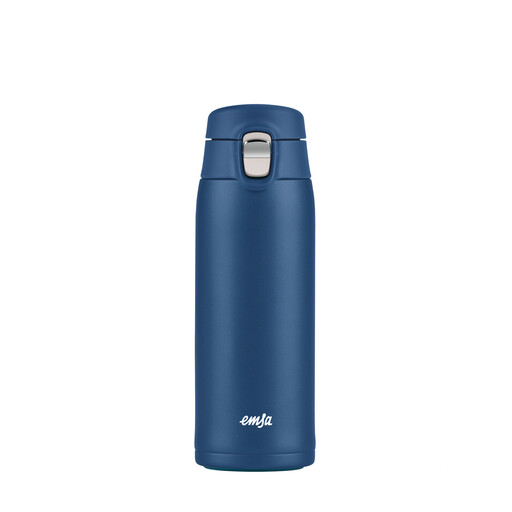
Why This Fits Their Persona: Ideal for the daily commute. The mug is slim, fits into standard cup holders, and the lid is designed for one-handed operation in the car or on the train.
Avoids the "leak-proof" trap with a flip-top lid that clicks audibly into place and is, according to the manufacturer, 100% sealed, which is crucial for transport in bags.
Double-wall stainless steel body for good insulation performance (8h hot / 16h cold, according to Emsa). The entire mug is dishwasher-safe, simplifying cleanup.
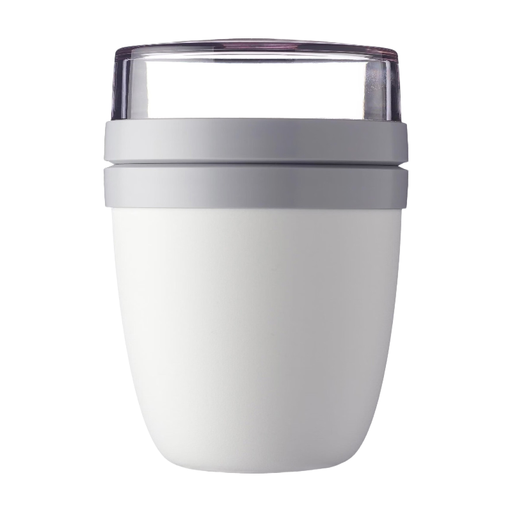
Why This Fits Their Persona: Perfect for anyone who wants to take yoghurt with cereal, soup with croutons, or other separate ingredients on the go. This on-the-go cereal cup is a smart solution for lunch at the office or on the move.
Solves the material and cleaning trap. The two separate, leak-proof containers prevent ingredients from mixing. All parts are dishwasher-safe and easily accessible.
The lower container (500 ml) is microwave-safe (without the lid), according to Mepal. The material is BPA-free and designed for food contact.
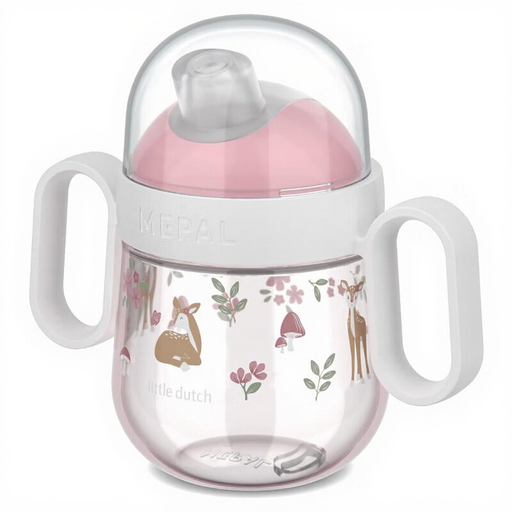
Why This Fits Their Persona: This kids' water bottle is specially designed for toddlers learning to drink independently. The ergonomic grip and non-spill mechanism are tailored to the needs of both children and parents.
Addresses the "leak-proof" trap in the context of children. The special valve system is designed to stay sealed even during falls or play, which is often not the case with standard bottles.
The material is impact-resistant and BPA-free. The cup can be completely disassembled for easy and hygienic cleaning in the dishwasher.
We have compiled a complete, up-to-date list of products that fully meet these strict selection criteria and rigorous safety standards.
The most thorough cleaning is achieved by rinsing the bottle and all parts of the lid (especially gaskets) with warm water and dish soap immediately after use. For stubborn residue or odours, a mixture of warm water and a spoonful of baking soda or vinegar can help. Let the mixture sit for a few hours, then rinse thoroughly. Always let the bottle air dry with the lid off.
Many manufacturers advise against it, as the pressure build-up can damage the lid or lead to leaks. However, some high-quality models with robust screw-on lids are explicitly designed for this purpose. Always check the manufacturer's specifications. One example is the Thermos TC Bottle, which is rated for carbonated drinks according to the manufacturer.
BPA (Bisphenol A) is an industrial chemical used in the manufacturing of certain plastics. There are concerns that BPA can leach from containers into food and beverages. A bottle labelled as BPA-free has been made without this chemical, making it a safer choice for daily contact with food, especially for kids' water bottles and products that are used regularly.