
Lieferung heute & morgen

Qualitätsgarantie

Willkommens-Angebote freischalten: KOSTENLOSE Lieferung | Bis zu 80 % RABATT | Kostenlose 30-Tage-JoyPlus-Testphase
App herunterladen
A reusable water bottle is a practical companion for daily life, sports, or travel. But the selection is vast, and not every model lives up to its promises. Many users know the frustration: a bottle advertised as "leak-proof" starts dripping in your backpack after a few weeks, the material absorbs odours, or cleaning becomes a test of patience.
As your Joybuy Product Recommendation Officer, I'm here to help you separate the wheat from the chaff. In this guide, I'll show you the crucial features to look for and how to sidestep the typical pitfalls of buying a new bottle.
Before we get to the solutions, let's look at the problems that often only surface after the purchase. Knowing them is the first step to avoiding them.
To avoid a bad buy, you should focus on three objective criteria. These will help you realistically assess a bottle's performance and durability.
The choice of material affects weight, insulation, and taste.
The lid is the most common weak point. A good lid is easy to use, simple to clean, and, most importantly, reliably leak-proof over time.
Do you need an insulated bottle? Manufacturer claims about insulation performance (e.g., "keeps warm for 6 hours ≥40°C") are based on standardised tests. These figures provide a good benchmark for how long your drinks will maintain their desired temperature. Consider your primary use case: is a simple bottle for water at the office enough, or do you need a high-performance thermos flask for tea on a winter hike? The volume should also match your hydration needs without being unnecessarily heavy or bulky.
Based on the criteria above, we have selected a few models for different types of users.

Why This Fits Their Persona: Perfect for the modern workspace. This bottle combines hydration with a clever feature: the lid doubles as a magnetic phone holder (MagSafe compatible)—ideal for video conferences or consuming media on the side.
The inner lining of SUS316 stainless steel is more corrosion-resistant and hygienic than standard stainless steel, preventing any impact on taste. The multi-layered silicone seal in the lid ensures reliable leak-proofing.
Innovative 2-in-1 design (bottle and phone mount). High-quality, taste-neutral materials and good insulation performance for the office day.
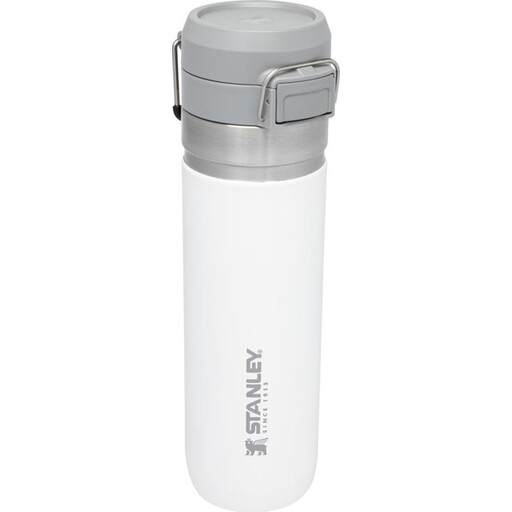
Why This Fits Their Persona: For everyone on the move—whether hiking, at the gym, or on a bike. This bottle is designed for durability and ease of use. The Quick Flip lid can be opened with one hand.
The push-button lid is specifically designed for active use and seals reliably, solving the problem of leaks during movement. The robust stainless steel construction withstands bumps and drops better than simple plastic bottles.
Excellent insulation performance (double-wall vacuum insulation), a one-handed and leak-proof lid, and a convenient carrying handle.
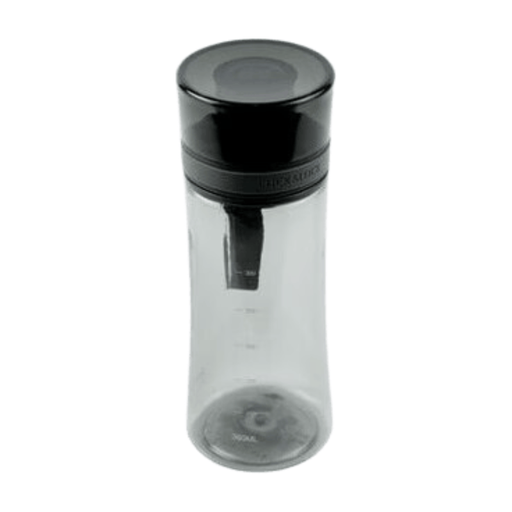
Why This Fits Their Persona: A reliable and affordable solution for daily hydration. Its compact size fits in cup holders and side pockets, while the lightweight Tritan material is ideal for the commute, the gym, or university.
The high-quality, BPA-free Tritan is impact-resistant and taste-neutral, avoiding the typical drawbacks of cheap plastic bottles. The secure lid mechanism with a silicone seal reliably prevents leaks.
Lightweight, glass-clear, and shatterproof material. Practical spout for one-handed drinking and excellent value for money.
We've compiled a full, up-to-date list of products that fully meet these strict selection criteria and German safety regulations.
1. How do I clean my water bottle most effectively to prevent mold? The most thorough cleaning is done by disassembling all parts (bottle, lid, seal). Wash everything with warm water and mild dish soap. A bottle brush helps to reach the bottom and inner walls. Let all parts air dry completely before reassembling the bottle. Many stainless steel and Tritan bottles are dishwasher-safe, but always check the manufacturer's instructions.
2. Is a stainless steel water bottle really better than a plastic one? It depends on the intended use. Stainless steel is unbeatable in terms of insulation, durability, and taste neutrality. It is ideal for hot/cold drinks and is a long-term investment. Plastic (Tritan) is lighter, often more affordable, and shatterproof, making it a great choice for sports and for children. Both materials are safe and hygienic when of high quality.
3. What does "BPA-free" mean and why is it important? BPA (Bisphenol A) is an industrial chemical that was used in some plastics. It is suspected of being harmful to health. The "BPA-free" label means that the plastic was manufactured without this chemical. It is now an important safety standard for all products that come into contact with food, including water bottles. Always look for this label when buying plastic bottles.