
Lieferung heute & morgen

Qualitätsgarantie

Willkommens-Angebote freischalten: KOSTENLOSE Lieferung | Bis zu 80 % RABATT | Kostenlose 30-Tage-JoyPlus-Testphase
App herunterladen
A water bottle needs to work reliably day to day: it should stay leakproof in your rucksack, be easy to clean hygienically and suit how much you drink. Eye-catching product claims don’t necessarily mean you’ll find the right option, though. What matters are the details about the material, closure, capacity and care.
Whether a leakproof water bottle stays sealed depends on more than the bottle itself. The seal, lid thread, drinking opening and locking mechanism all need to work together. On models with a silicone ring, an incorrectly fitted or incompletely dried ring can compromise the seal. Before carrying the bottle, make sure the closure is fully shut and the seal is correctly positioned.
An insulated water bottle or a thermal tumbler with a straw isn’t automatically suitable for both hot and cold drinks. Some models are specifically designed for cold or room-temperature drinks only. Carbonated drinks can also build up pressure in sealed containers. That’s why the manufacturer’s guidance on temperature and drink suitability matters more than general marketing claims.
Stainless steel, Tritan and other plastics all have different properties. A stainless steel water bottle is usually heavier than a plastic model, while Tritan products can combine light weight with transparency. “BPA-free” describes just one aspect of the material and says nothing about capacity, cleaning or leakproof performance.
For everyday use, choose a model made from materials specifically approved for the type of drink you intend to carry. For a BPA-free water bottle, the product description should clearly state which parts are BPA-free. Lightweight plastic models are a good option for cold and room-temperature drinks. Depending on their design, stainless steel versions may also feature double-wall insulation.
Also check the specific temperature guidance. According to the product description, the LocknLock Active Sports Bottle is designed for drinks between -20 °C and 60 °C, but not for boiling water. Models with a straw often come with additional guidance about hot drinks.
The right capacity depends on how and where you’ll use the bottle:
Check that the dimensions fit your rucksack pocket, bike bottle cage or car cup holder. A slim 700 ml model may be more practical day to day than a wider bottle with a larger capacity.
A one-handed closure makes a bottle easier to use during sport or in the car, but it has several moving parts. A screw-top lid is often simpler in design, but needs to be tightened carefully. Straws and spouts make drinking more convenient, but add extra areas that need regular cleaning.
Before buying, check:
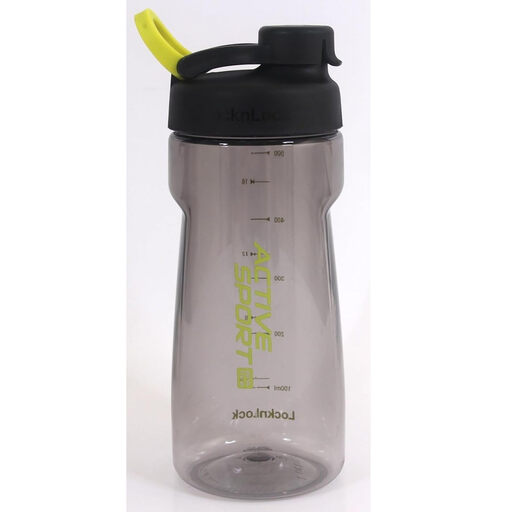
Why it suits this profile: This 550 ml model weighs around 145 g and features a one-handed flip-top lid with a safety clip. It’s suitable for workouts, the office and short journeys.
The product details specify a silicone sealing ring, a locking clip and a temperature range of -20 °C to 60 °C. It isn’t designed for boiling or carbonated drinks.
Tritan body, BPA-free material specification, one-handed opening and a compact 550 ml capacity.
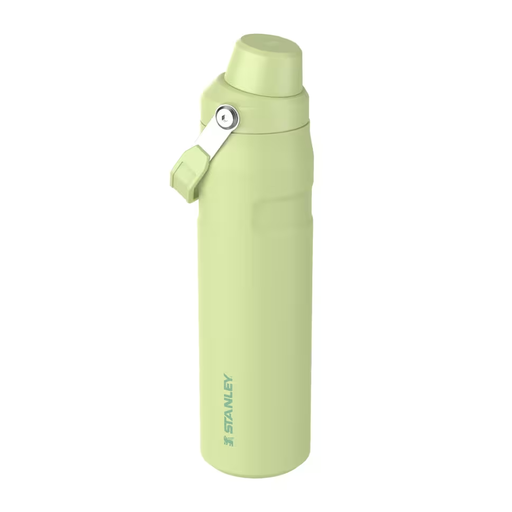
Why it suits this profile: Double-wall vacuum insulation, a wide drinking spout and a carry handle make this bottle a good fit for longer commutes, sport and travel.
The description gives specific insulation performance for cold drinks and confirms that the bottle is dishwasher-safe. The warning states that it isn’t suitable for carbonated drinks.
600 ml capacity, 18/8 stainless steel, vacuum insulation, a wide drinking spout and a shape that fits many cup holders.

Why it suits this profile: This 24 oz thermal tumbler is for anyone who wants to take cold drinks to the office, in the car or on a trip, and prefers using a straw.
The product description explains the difference between using the tumbler with a straw and carrying it without one. The model isn’t recommended for carbonated or hot drinks.
18/8 stainless steel, double-wall vacuum insulation, a tapered base to fit many cup holders and BPA-free lid materials.
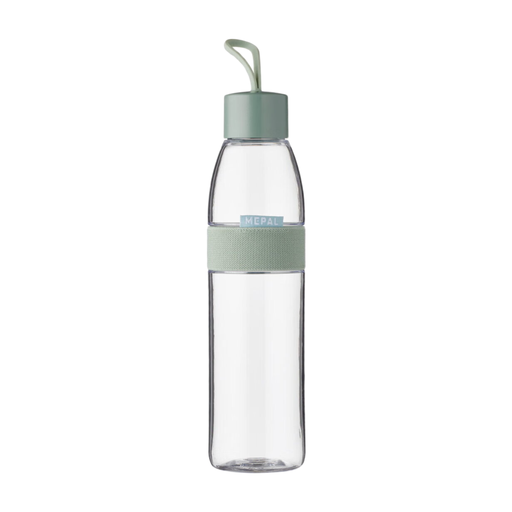
Why it suits this profile: This 700 ml water bottle is designed for work, travel, sport and everyday use. The manufacturer says it’s suitable for carbonated drinks.
According to the product details, don’t fill the bottle right to the brim when using it for carbonated drinks. The closure must be fully shut to keep the bottle leakproof.
BPA-free material specification, 700 ml capacity, attached loop and dishwasher-safe cleaning without the rubber band.
We’ve put together a complete, regularly updated list of products that meet these strict selection criteria and the safety regulations in force in the EU.
Open your water bottle after every use and let it dry completely. Lids, seals and straws need particular attention, as liquid residue can collect in these areas. Use soft sponges and a mild cleaning product on delicate surfaces. If washing by hand, clean all the parts separately and only put them back together once they’re completely dry.
Check your bottle regularly for cracks, warping, damaged seals or a loose closure. Don’t continue using it if you notice any damage. How long it lasts depends on the material, how often you use it, how you clean it and the conditions in which you carry it.
For sport and exercise, look for a lightweight bottle with a secure closure and an easy-to-reach drinking opening. A sports bottle with a one-handed closure can be handy during short breaks. For longer sessions, choose a capacity that suits your needs. Always pay close attention to the manufacturer’s guidance if you plan to use carbonated drinks.
Rinse and dry it after every use. If you’ve had a flavoured, sugary or additive-containing drink, it’s a good idea to wash the bottle thoroughly with a mild cleaning product. Clean seals and straws separately, as residue can build up more easily in these parts.
Often, yes, particularly double-wall insulated models. Plastic bottles made from Tritan or similar materials can be lighter at a similar capacity. Stainless steel models, depending on their design, offer a durable, opaque alternative. Check the specific weight and dimensions of the product you’re considering.