
Lieferung heute & morgen

Qualitätsgarantie

Willkommens-Angebote freischalten: KOSTENLOSE Lieferung | Bis zu 80 % RABATT | Kostenlose 30-Tage-JoyPlus-Testphase
App herunterladen
A water bottle should carry drinks reliably, feel comfortable to hold and be easy to clean hygienically. In practice, however, some marketing claims can lead to disappointing purchases. A sporty-looking bottle isn’t necessarily leakproof, a large capacity can be impractical, and an insulated bottle isn’t automatically suitable for every drink.
This buying guide explains which features to consider before you buy and which models suit different everyday situations.
Leak resistance depends on more than the bottle itself. The key factors are the sealing ring, lid thread, closure mechanism and correct positioning of the seal. Extra openings on a water bottle with a straw or spout can make it harder to clean. Before buying, consider whether you’ll only carry the bottle upright or also want to put it on its side in your rucksack.
A Tritan water bottle is lightweight, transparent and practical for cold or room-temperature drinks. However, many models aren’t suitable for boiling water. For example, the stated temperature limit for the Lock & Lock BisFree Sports Water Bottle is 50 °C. Other Tritan or BPA-free plastic bottles also often have a specified temperature range.
If you want to carry coffee, tea or other hot drinks, choose a thermal flask or travel mug with a stated insulation function instead.
A 1-litre bottle means you’ll need to refill it less often, but it won’t fit in every rucksack or cup holder. 380 to 550 ml may be enough for short trips, your desk or a school bag. Sportspeople and travellers may prefer 650 to 730 ml. Diameter, height and weight are also important.
The BPA-free label describes the material used; it isn’t a general quality rating. When choosing a bottle, also consider the closure, cleaning, temperature range and availability of replacement parts.
For commuters and travellers, a securely closing lid and a well-fitting silicone seal are particularly important. A one-touch lid with a safety lock is easy to use during a workout or in the car. A screw cap has a simple design and can close securely when the sealing ring is fitted correctly.
Before packing your bottle, it’s worth doing a quick leak test over a sink. However, pressure and temperature can behave differently with carbonated, fermenting or very hot drinks. Several of the bottles featured here are therefore specifically not intended for these types of drink.
You should be able to open a water bottle fully. Wide openings make rinsing easier, while straws, spouts and sealing rings need to be cleaned separately. Many models must or should be washed by hand. Always follow the manufacturer’s instructions rather than general care advice.
Leave bottles open to dry after cleaning. If you notice visible cracks, damaged seals or a persistent change in smell, it’s best to stop using the bottle.
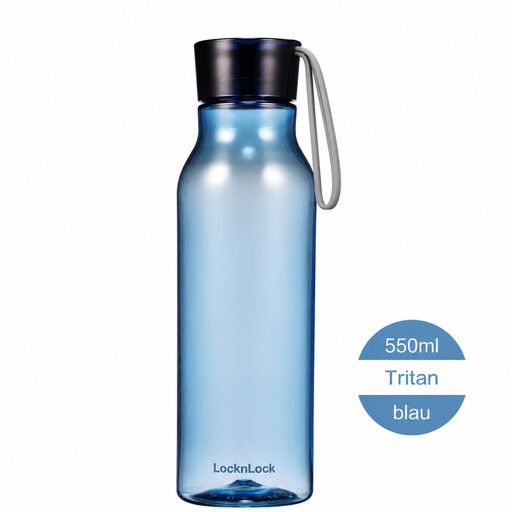
Why this product suits you: This 550 ml Tritan water bottle is designed for cold drinks. It has a screw cap and carry strap, with a stated temperature range of -20 °C to 60 °C.
The silicone ring needs to sit correctly in the groove in the lid. The clear temperature limit helps prevent the bottle from being used with drinks that are too hot.
550 ml capacity, BPA-free Tritan, compact design and carry loop. Hand-washing is recommended.
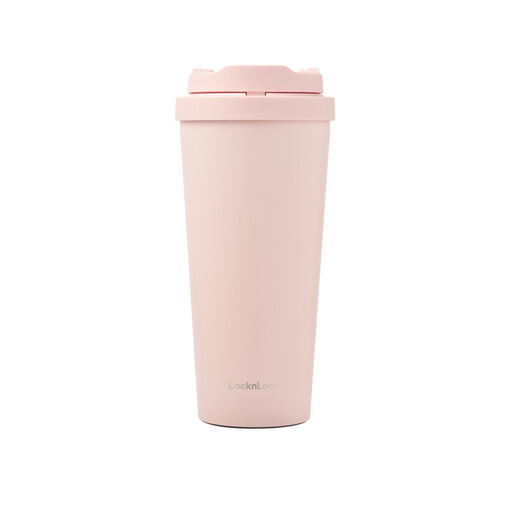
Why this product suits you: This double-wall vacuum mug made from STS304 stainless steel is a good choice for professionals, commuters and travellers who want to take hot or cold drinks with them.
Its stated insulation performance gives you clear information instead of vague temperature claims: according to the product details, it keeps drinks hot at over 60 °C for up to 4 hours and cold at under 8 °C for up to 28 hours.
One-touch lid with safety lock, non-slip base and wide opening. Not dishwasher-safe and not intended for carbonated drinks.
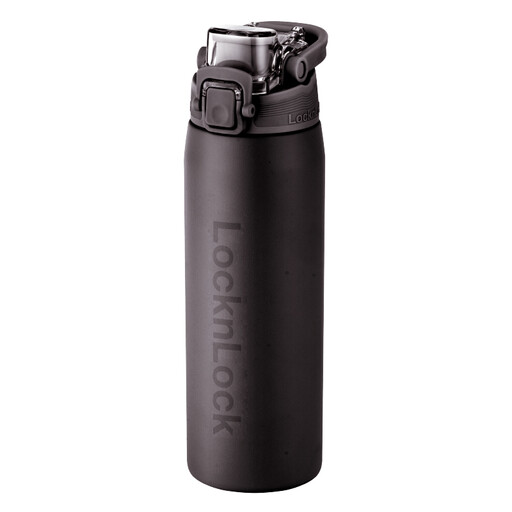
Why this product suits you: This 720 ml model made from 316 stainless steel is designed for sportspeople, outdoor enthusiasts and anyone who wants to drink more often while out and about. The built-in straw lets you drink directly from the bottle.
The material information and care instructions make it clear what the bottle is designed for. Hand-wash it, don’t put it in a microwave and don’t use it for carbonated drinks.
720 ml capacity, 316 stainless steel and a drinking straw. Make sure the lid is securely closed before carrying it; hot drinks can cause scalds.
We’ve put together a complete, regularly updated list of products that meet these strict selection criteria and comply fully with the safety regulations in force in the EU.
For commuting, 500 to 750 ml is often a practical size. A leakproof water bottle with a screw cap will fit in many bags. If you want to take coffee or tea with you, a double-wall stainless steel bottle or thermal mug is a better choice than a plastic water bottle.
Its lifespan depends on the material, how well it’s cared for and how often it’s used. Stainless steel and Tritan can last a long time with careful use. Sealing rings and lids are wear parts. Replace your bottle if it develops cracks, becomes misshapen, has damaged seals or has deposits that are difficult to remove.
No. BPA-free simply means that the specified material doesn’t contain bisphenol A. You need to check the permitted temperature separately. Many plastic and Tritan bottles are designed only for cold or room-temperature drinks. For hot drinks, follow the manufacturer’s instructions for a thermal flask or travel mug.