
Lieferung heute & morgen

Qualitätsgarantie

Willkommens-Angebote freischalten: KOSTENLOSE Lieferung | Bis zu 80 % RABATT | Kostenlose 30-Tage-JoyPlus-Testphase
App herunterladen
A water bottle should stay leak-proof in your bag, be easy to clean and fit your daily routine. Yet eye-catching designs and general marketing claims don’t always help you choose the right one. What matters are clear details about the material, lid, capacity and care instructions.
A screw cap, flip-top lid or straw doesn’t automatically make a bottle leak-proof. Seals need to be fitted correctly, the lid must be fully closed, and some models are only suitable for certain drinks. Carbonated drinks can also build up pressure.
So check:
A BPA-free water bottle may be suitable for food contact, but still not be designed for boiling drinks, the microwave or the dishwasher. Tritan, polypropylene, ABS, PCTG and stainless steel also differ in weight, temperature range and care requirements.
So always read the manufacturer’s information alongside the usage instructions. For cold drinks at the office, a lightweight plastic bottle is often enough. For hot drinks or drinks that need to stay at a certain temperature for longer, an insulated water bottle made from double-walled stainless steel can be more practical.
A 980 ml water bottle holds more liquid, but it’s much heavier when full than a 500 ml water bottle. For a commute with several changes, a slim 380 to 550 ml model may be more comfortable to carry. If you’re heading to the gym or going on a longer outdoor activity, a 700 to 980 ml bottle is likely to be more useful.
A one-touch lid is handy for workouts or journeys by car when you need to drink one-handed. A wide neck makes it easier to add ice cubes and clean the bottle. Straws are convenient, but need extra cleaning.
Also look for:
Dishwasher-safe bottles mean less effort when it comes to cleaning. However, this often applies only to the bottle itself; seals, elastic bands, lids and straws may need to be washed by hand. If you’re washing by hand, make sure the bottle can dry fully, ideally with the lid removed.
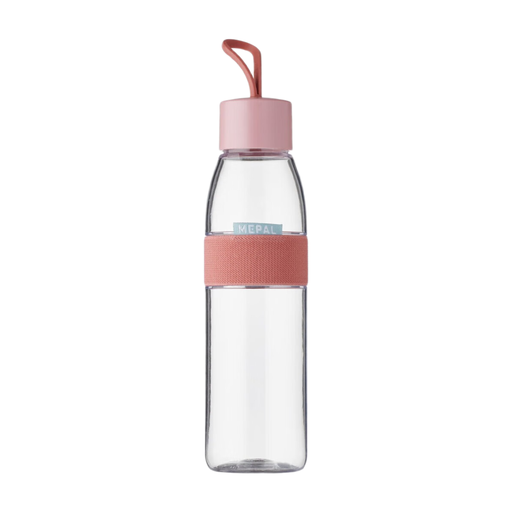
Why it suits this profile: This compact 500 ml model is a good fit for the office, your commute and smaller bags. According to the product description, it’s BPA-free, leak-proof and suitable for carbonated drinks, provided it isn’t filled to the brim.
Its capacity is manageable, and the product information gives clear guidance on carbonated drinks and cleaning.
Weighs 110 g, holds 500 ml and is dishwasher-safe without the elastic band.
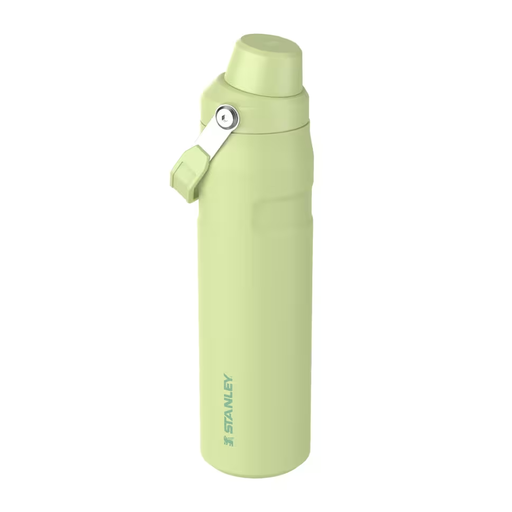
Why it suits this profile: Its double-walled stainless steel construction with vacuum insulation is designed for anyone looking for a durable sports bottle for training, everyday use and longer journeys.
The product description gives details of the material, weight, dimensions, lid type and specific insulation performance, rather than relying on vague claims.
600 ml capacity, weighs 370 g, wide neck, carry handle and dishwasher-safe according to the product information.
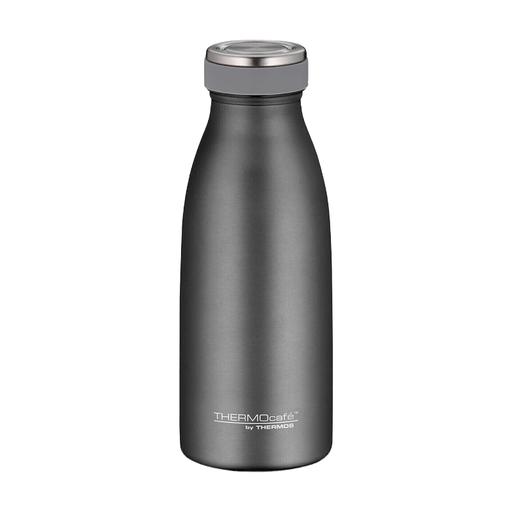
Why it suits this profile: This slim stainless steel bottle is designed for commuters, office use, travel and short outdoor activities when you want a compact bottle with temperature insulation.
The product information clearly states that it should be hand-washed, isn’t suitable for the freezer or microwave, and specifies which drinks it’s designed for.
Double-walled stainless steel, 0.35 l capacity and a rubberised screw cap.
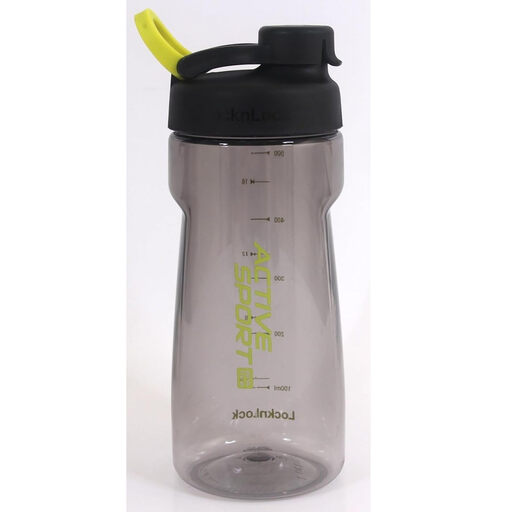
Why it suits this profile: This lightweight Tritan model has a one-touch flip-top lid and safety lock, making it a good fit for the gym, cycling, the office and your commute.
The permitted temperature range of -20 °C to 60 °C is clearly stated, as is the fact that it isn’t suitable for boiling or carbonated drinks.
550 ml capacity, weighs around 145 g, BPA-free Tritan and a carry loop.
We’ve put together a complete, regularly updated list of products that meet these strict selection criteria and fully comply with the safety regulations in force in the EU.
A 500 to 700 ml bottle is usually a practical choice for the office. A lightweight, BPA-free water bottle with a screw cap is easy to carry. If you want to take tea or coffee with you, an insulated stainless steel water bottle with a lid approved for hot drinks is a good option.
Its lifespan depends on the material, cleaning method and how you use it. Sealing rings and elastic parts may wear out before the bottle itself. Check your bottle regularly for cracks, warping, odours or a damaged lid. If you notice any visible damage, stop using it.
A 500 ml water bottle is lighter and often enough for the office, short journeys and fitness classes. A 700 ml water bottle means fewer refills during longer training sessions, trips or outdoor activities. To choose the right size, consider how long you’ll be using it, how much weight you want to carry and whether you’ll be able to refill it.