
Lieferung heute & morgen

Qualitätsgarantie

Willkommens-Angebote freischalten: KOSTENLOSE Lieferung | Bis zu 80 % RABATT | Kostenlose 30-Tage-JoyPlus-Testphase
App herunterladen
A water bottle should stay leakproof in your rucksack, be easy to clean and suit the way you plan to use it. Yet product descriptions can often lead to the wrong choice: a bottle with a straw is not automatically suitable for hot drinks, a large capacity can be impractical for everyday use, and whether a bottle is described as “leakproof” depends largely on the seal being fitted correctly.
This buying guide explains what shoppers in the UK should look out for before buying. It focuses on clear, practical criteria such as material, capacity, lid, cleaning and insulation.
A leakproof water bottle needs a tightly closing lid, well-fitting silicone seals and a closure that won’t open accidentally in transit. A flip-top lid with a safety lock can be handy at the gym. If you’re choosing a bottle with a drinking spout or straw, also check that the mouthpiece is fully covered.
Even if a bottle is described as leakproof, it’s worth testing it with water before taking it out for the first time. Seals must be fitted correctly and checked regularly for cracks or distortion.
A BPA-free water bottle can be made from plastic, Tritan or other materials. You should also consider its temperature range, impact resistance, whether it may develop odours and how it should be cleaned. Some models can go in the top rack of the dishwasher, while others should only be washed by hand.
So BPA-free is just one feature, not a substitute for checking all the product information.
A 700 ml water bottle or larger means fewer refills, but it also takes up more space and weighs more. For short trips, the office and commuting, a 500 ml to 550 ml water bottle may fit better in bags and cup holders. A capacity of 700 ml to 980 ml may be more suitable for walks, long working days or extended training sessions.
A reusable plastic water bottle is usually lightweight and convenient for everyday use. Tritan is used for various sports bottles because it is clear and lightweight. With bottles made from this material, check the permitted temperature range and whether boiling or fizzy drinks are not recommended.
A stainless steel water bottle is sturdy and, depending on its design, may have double-wall insulation. However, stainless steel bottles are not automatically dishwasher-safe. Always follow the care instructions provided by the manufacturer.
For training, choose a lid that’s quick to open. A water bottle with a drinking spout lets you drink directly from it, while a straw makes it easier to sip without lifting the bottle very far. With either option, make sure the mouthpiece, lid and seal are accessible for cleaning.
The product must be explicitly approved for fizzy drinks. Pressure can build up in bottles that aren’t designed for them. Mepal advises that its Ellipse bottles should not be filled right to the top when used with fizzy drinks.
A dishwasher-safe water bottle can save time, provided the lid, seals and accessories can be cleaned separately. For some products, only the bottle itself or the top rack is dishwasher-safe. Silicone bands may also need to be treated separately.
After washing, leave the bottle open to dry completely. This helps reduce residual moisture in the lid and mouthpiece. Scouring products, steel wool and harsh chlorine-based cleaners can damage surfaces and seals.
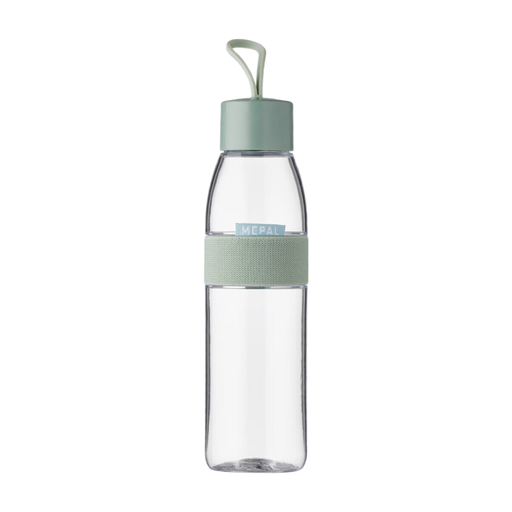
Why it suits this profile: This compact 500 ml model is ideal for the office, school, short trips and the daily commute. The carry loop makes it easy to take with you.
The manufacturer describes this model as leakproof, BPA-free and suitable for fizzy drinks. When using it with fizzy drinks, don’t fill the bottle right to the top.
500 ml capacity, weighs 110 g and has a dishwasher-safe bottle body, without an elastic band.
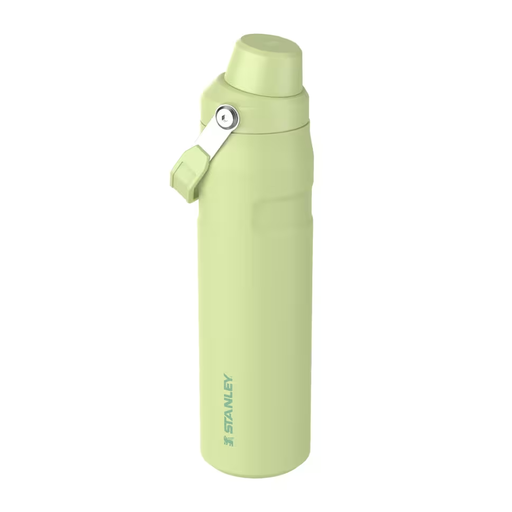
Why it suits this profile: Its double-wall stainless steel construction with vacuum insulation makes it a good choice for commuting, the office and training if you want drinks to stay at the right temperature for longer.
The wide opening makes filling and cleaning easier. According to the manufacturer, the bottle is dishwasher-safe and has a leakproof lid.
600 ml capacity, weighs 370 g, with a stainless steel body. According to the manufacturer, it keeps drinks cold for up to 10 hours and ice for up to 2 days.
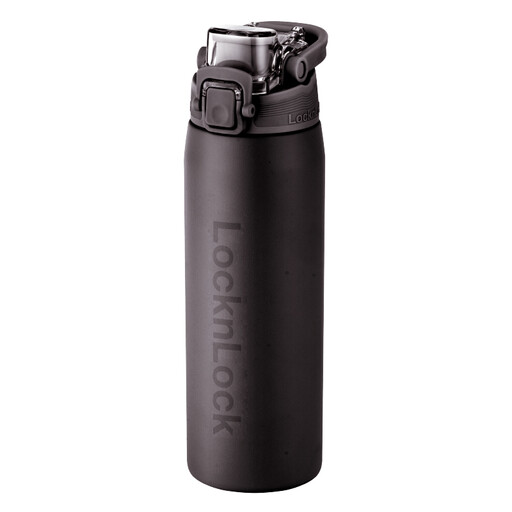
Why it suits this profile: Its larger capacity is well suited to outdoor activities, long working days and travel. The built-in straw makes it easier to drink regularly on the go.
The manufacturer specifies a corrosion-resistant 316 stainless steel construction. Bear in mind that this model should be washed by hand and not put in the dishwasher.
720 ml capacity, 316 stainless steel and a straw for drinking without lifting the bottle very far.
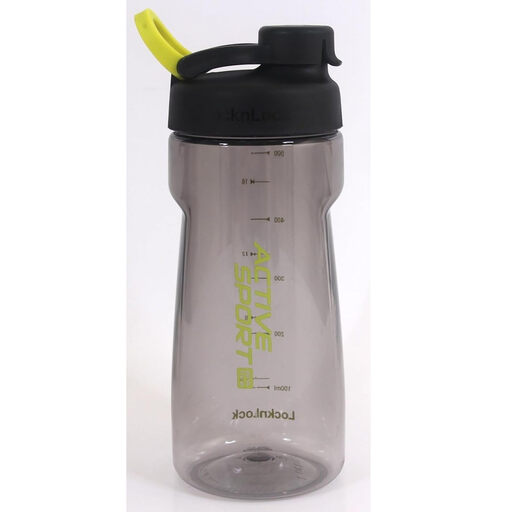
Why it suits this profile: This Tritan water bottle weighs just 145 g, making it relatively lightweight. It’s designed for the gym and everyday use, and for cold or room-temperature drinks.
The safety lock reduces the risk of the bottle opening accidentally. The manufacturer recommends hand-washing; boiling and fizzy drinks are not suitable.
550 ml capacity, Tritan body, silicone seal and a one-handed flip-top lid with a safety lock.
We’ve put together a complete, regularly updated list of products that meet these strict selection criteria and fully comply with the safety regulations in force in the EU.
A capacity of 500 to 700 ml is usually enough for the gym. Handy features include a one-handed lid, a wide or easily accessible drinking spout and a safety lock to prevent the bottle opening accidentally. If you often carry it in your bag, also look for silicone seals and clear information about leak protection.
Its lifespan depends on the material, how often you use it and how well you care for it. Replace a bottle if it develops cracks, becomes misshapen, has seals that are permanently damaged or retains unusual odours despite thorough cleaning. With stainless steel bottles, the insulation may also stop working reliably if the container is badly damaged.
As well as the purchase price, you’ll mainly have costs for water, cleaning products and, if needed, replacement seals. A dishwasher-safe water bottle can reduce the effort involved in cleaning. For hand-washing, use a soft brush and mild washing-up liquid, and make sure the bottle dries completely. So the purchase price isn’t the only thing to consider: it’s also important that the bottle suits your care routine and how you plan to use it.