
Lieferung heute & morgen

Qualitätsgarantie

Willkommens-Angebote freischalten: KOSTENLOSE Lieferung | Bis zu 80 % RABATT | Kostenlose 30-Tage-JoyPlus-Testphase
App herunterladen
A water bottle needs to work reliably day to day. It shouldn’t leak in your rucksack, should suit the type of drink you want to carry and must be easy to clean hygienically. But there are clear differences between water bottles, sports bottles, insulated flasks and travel mugs. Eye-catching design or heavily advertised insulation alone tells you little about how practical a bottle will be in everyday use.
Whether a bottle is leakproof depends on more than just its body. A well-fitting lid, intact silicone or rubber seals and a closure that locks securely are all essential. With bottles featuring a straw, flip-top lid or drinking spout, check whether the closure is designed to keep the bottle secure in your rucksack.
Even a bottle advertised as leakproof shouldn’t be overfilled. Pressure can also build up when carrying hot or carbonated drinks, so always follow the manufacturer’s instructions.
An insulated flask or vacuum flask is generally suitable for hot and cold drinks. However, how long it keeps drinks at temperature depends on factors such as how full it is, the starting temperature, how often it’s opened and the surrounding conditions. A plastic or Tritan sports bottle, on the other hand, is usually not designed for hot liquids.
Look for specific claims such as ‘hot for up to … hours’ or ‘cold for up to … hours’. Treat these as the manufacturer’s estimates, not a guarantee for every situation.
A stainless steel water bottle is sturdy and often used for hot drinks, but it may be heavier than a plastic bottle. A BPA-free plastic or Tritan bottle is often lighter, but depending on the model, it may only be suitable for drinks below a certain temperature.
It’s also worth noting that many insulated bottles, lids and seals aren’t dishwasher-safe. They may need to be washed by hand with a mild detergent. Removable parts should be left to dry completely before storing the bottle with the lid on.
For short trips, 400 to 550 ml is often enough. If you want to go for longer without a refill at the office, at school or on a hike, consider a 650 to 720 ml bottle. Also check:
A 720 ml insulated flask holds more, but takes up more space than a slim 400 ml travel mug.
Double-walled stainless steel with vacuum insulation is designed for hot and cold drinks, provided the manufacturer says it is suitable. A travel mug with a flip-top lid is often a good choice for commuters, while a sports bottle with a straw can make it easier to drink on the move.
Pay particular attention to the temperature limits for plastic and Tritan models. For example, the Lock & Lock Bisfree Sports Water Bottle is stated to be suitable for liquids up to 50 °C. Several of the models listed aren’t suitable for carbonated drinks.
Before buying, look for information on:
Very hot drinks can cause scalds. Let the contents cool before drinking, and only carry a hot bottle when the lid is fully closed.
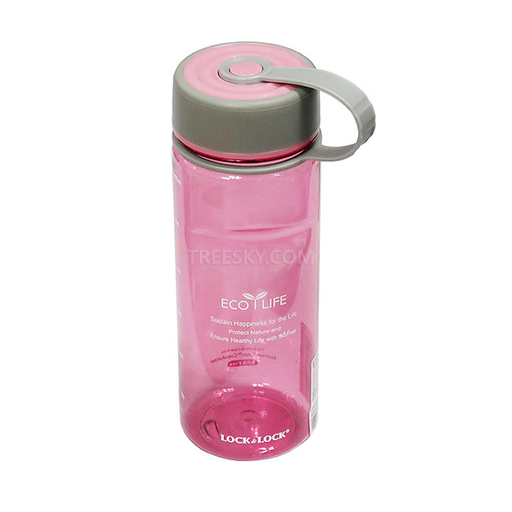
Why it suits this profile: This 650 ml BPA-free plastic water bottle is designed for commuting, office use, travel and training. Its relatively light weight can make it practical to carry every day.
The product information describes a leakproof lid and also advises hand-washing, regular cleaning and avoiding extreme temperatures.
650 ml capacity, BPA-free plastic and a closure designed for everyday use.
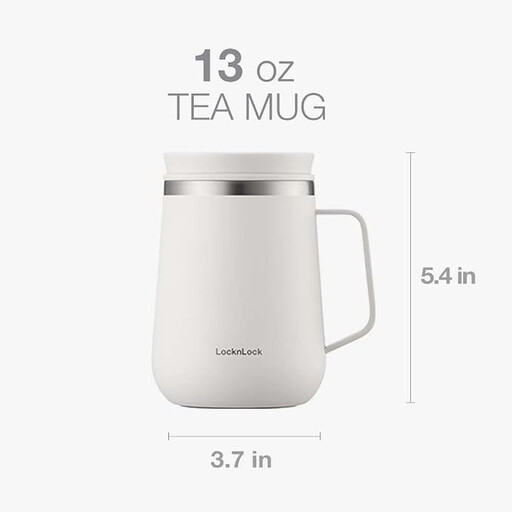
Why it suits this profile: This double-walled stainless steel travel mug is made for commuters and professionals who want to carry coffee, tea or cold drinks in a compact design.
According to the product information, the screw-top lid locks securely and is leakproof. The stated temperature retention is up to 12 hours for hot drinks and up to 24 hours for cold drinks.
18/8 stainless steel, integrated tea infuser, non-slip silicone base and BPA-free construction, according to the product description.
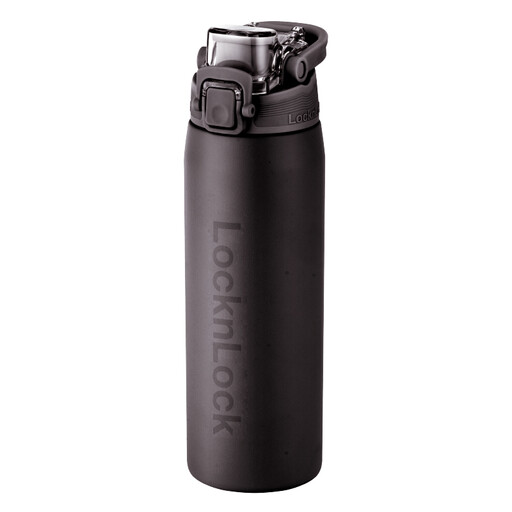
Why it suits this profile: This larger insulated flask is designed for sport, walks, outdoor activities, travel and long school days. The straw makes it easier to drink on the move.
The care instructions recommend hand-washing, checking that the lid is secure and avoiding carbonated drinks. This takes account of common causes of leaks.
720 ml capacity, 316 stainless steel according to the product information, a straw and a portable design.
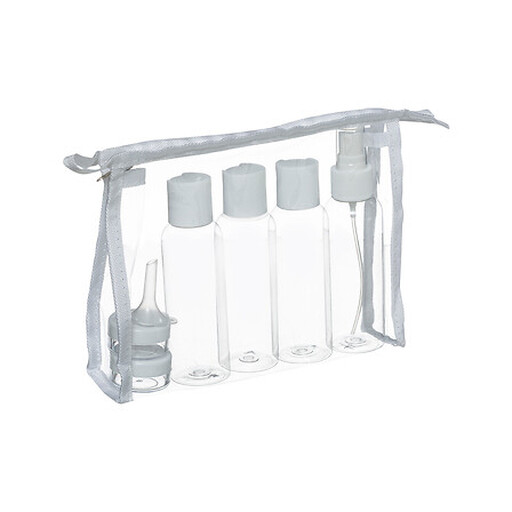
Why it suits this profile: This set complements a water bottle with small containers for shampoo, lotion, gel and other toiletries. The clear design makes it easier to identify what’s inside your luggage.
The set includes containers in several sizes and a pouch. Make sure the lids are tightly closed, and clean and dry the containers before using them again.
Seven containers, a storage pouch and clear materials made from PP, PET and PVC, according to the product description.
We’ve put together a complete, regularly updated list of products that meet these strict selection criteria and the safety regulations in force in the EU.
Rinse your water bottle as soon as possible after use. Residue from milk drinks, juice or tea can cause odours or stains more quickly. If the lid, drinking spout, straw and seals can be removed, clean them separately.
Avoid abrasive cleaners and steel wool if the manufacturer advises against them. Leave all parts to dry uncovered and check the seal regularly. Don’t continue using a bottle that’s damaged or has a faulty lid.
For water and cold drinks, a lightweight sports bottle with a capacity of 650 to 700 ml is often enough. If you want to take coffee or tea with you, a double-walled stainless steel travel mug or an insulated flask with a secure lid is a better choice. Check that it fits in your bag and drink holder, and look for clear care instructions.
Its lifespan depends on the material, seals, lid and how it’s used. Stainless steel can last for a long time if it’s well cared for, but seals and lids may wear out sooner. Check your bottle regularly for cracks, warping, odours and leaks.
Compact travel containers can save space on short trips or when travelling with hand luggage. Only fill them with suitable products, close the lids carefully and follow the current rules for liquids when flying. Clean the containers and let them dry completely before refilling.