
Lieferung heute & morgen

Qualitätsgarantie

Willkommens-Angebote freischalten: KOSTENLOSE Lieferung | Bis zu 80 % RABATT | Kostenlose 30-Tage-JoyPlus-Testphase
App herunterladen
A water bottle should stay leak-proof in your rucksack, suit its intended use and be easy to clean. Yet eye-catching temperature claims, unclear information about closures or unsuitable materials often lead to disappointing purchases. The right water bottle is therefore determined not just by colour and capacity, but above all by how it will be used, its material, cleaning requirements and portability.
A leak-proof water bottle is only practical when the lid, seal and drinking opening work well together. A straw, sports nozzle or flip-top closure can make drinking easier, but it also consists of additional parts. These must be closed correctly and cleaned regularly.
Look out for:
Not every bottle with a straw is suitable for being transported on its side. Some models can also build up pressure when used with carbonated drinks. The manufacturer’s instructions should therefore be checked before buying and before use.
A thermos flask or insulated water bottle can keep hot and cold drinks at temperature for several hours. However, the stated figures are not a guarantee for every everyday situation. The result is often affected by the fill level, starting temperature, how frequently the bottle is opened and the outside temperature.
For cold drinks at the gym, a lightweight sports bottle is usually sufficient. For coffee on your commute, a slim travel mug with a drinking opening is more practical. A large thermos flask is better suited to the office, picnics or sharing during breaks than to carrying in your rucksack every day.
A stainless steel water bottle is generally durable and neutral in taste. However, double-walled models are heavier and often cannot be put in the dishwasher. Plastic bottles may be lighter, but require clear temperature limits. Glass is neutral in taste, but can break if knocked.
You should therefore always check:
For short journeys, school or your desk, 350 to 600 ml is often enough. Commuters and sports enthusiasts often prefer 600 to 750 ml, while a 1-litre bottle is suitable for longer trips. More capacity also means more weight, particularly with stainless steel and glass bottles.
As well as comparing capacity, check the external dimensions. For example, a bottle with a diameter of 73 mm is more likely to fit many drinks holders than a wide tumbler. A carry handle, wrist strap or compact shape can also be useful for rucksacks and side pockets.
A BPA-free water bottle is particularly appealing to shoppers who want to use plastic in everyday life. The specific material information should be provided directly in the product details rather than inferred solely from an advertising claim.
A screw-top lid usually offers a simple design. A straw allows you to drink conveniently while walking or exercising, but requires thorough cleaning. A sports nozzle with one-handed operation is suitable for cycling or working out, while a slim flip-top lid is a good choice for commuting.
Warnings are particularly important for hot drinks. Not every travel mug and sports bottle is suitable for boiling liquids. Hot drinks can also cause scalding if the lid is opened or the bottle tips over.
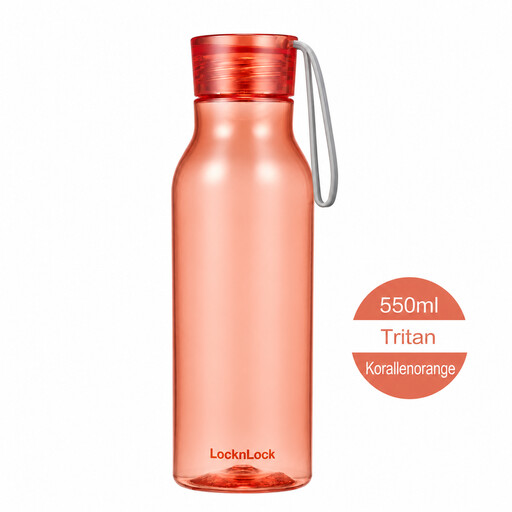
Why this product suits this profile: This lightweight plastic bottle offers a 550 ml capacity, a wrist strap and a compact design for the office, school and commuting.
The product details specify a silicone sealing ring and explain how it should be positioned correctly. This makes it possible to check its leak-proof performance before transporting it.
550 ml capacity, approximately 110 g in weight, BPA-free Tritan and a screw-top lid with wrist strap.
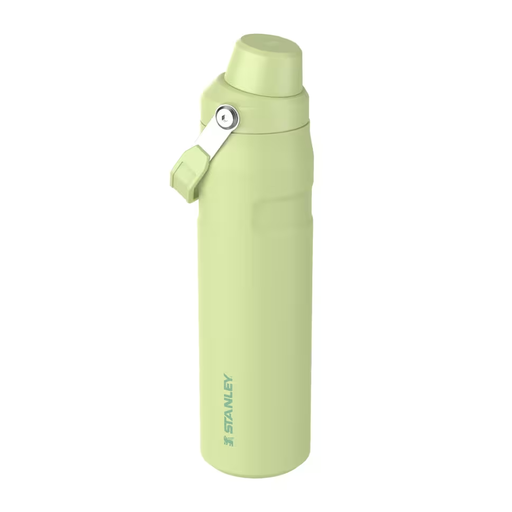
Why this product suits this profile: This double-walled stainless steel water bottle combines a wide drinking opening with a carry handle and vacuum insulation for active adults and commuters.
The wide opening makes filling and cleaning easier. The manufacturer’s information also states that the bottle is dishwasher-safe; the lid can be cleaned separately.
600 ml capacity, 370 g in weight, recycled 18/8 stainless steel and, according to the product details, keeps drinks cold for up to 10 hours and with ice for up to two days.
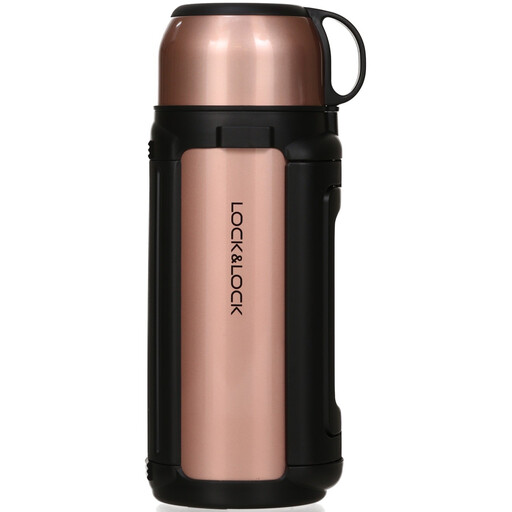
Why this product suits this profile: Its large capacity is ideal for the office, day trips and outdoor activities when several servings are needed.
The wide opening makes filling and cleaning easier. The manufacturer also specifies a silicone seal and hand washing as the required care method.
1.5 l capacity, double-walled vacuum insulation, integrated drinking cup and carry handle.
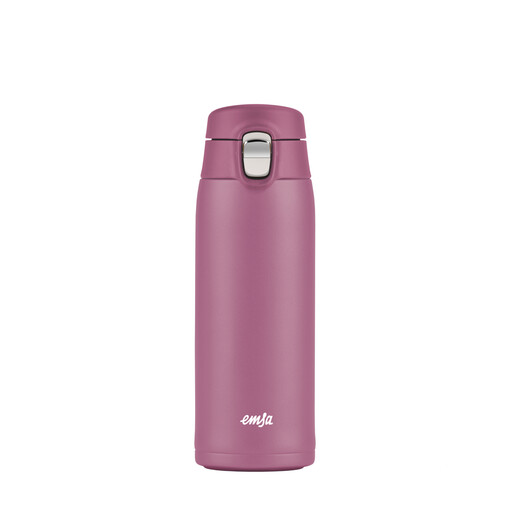
Why this product suits this profile: Its slim design and flip-top closure are made for commuting and fitting in a car’s drinks holder.
The product description specifies a closable flip-top lid and dishwasher compatibility. The closure must be fully closed before transport.
400 ml capacity, stainless steel body, one-handed operation and, according to the product details, keeps drinks warm for up to 8 hours and cold for 16 hours.
We have put together a complete, regularly updated list of products that fully meet these strict selection criteria and the safety regulations applicable in the EU.
Rinse a reusable water bottle after every use and leave it open to dry completely. Lids, seals and straws should be cleaned separately. Do not use abrasive sponges if the manufacturer advises against them. If you notice odours or deposits, cleaning with warm water and a suitable mild detergent may help.
Check regularly for:
A damaged vacuum bottle should not be used further, as its insulating performance may be impaired. Carbonated drinks are only suitable when this is explicitly stated.
For commuters, 350 to 600 ml is often sufficient. A slim travel mug is practical for coffee or tea, while a leak-proof stainless steel water bottle is better suited to water and cold drinks. The key factors are a secure closure, suitable external dimensions and cleaning requirements that fit into your daily routine.
Its service life depends on the material, care and frequency of use. Stainless steel can last for many years when looked after properly. Plastic and silicone parts such as seals or straws may wear out sooner and should be replaced if damaged, provided replacement parts are available. Without information about the specific model, it is not possible to give a reliable fixed service life.
Not generally. Carbonation can build up pressure inside sealed containers. Only use a thermos flask, travel mug or sports bottle with carbonated drinks if the manufacturer expressly permits it. Also check whether the closure requires particular care when opening.