
Lieferung heute & morgen

Qualitätsgarantie

Willkommens-Angebote freischalten: KOSTENLOSE Lieferung | Bis zu 80 % RABATT | Kostenlose 30-Tage-JoyPlus-Testphase
App herunterladen
A reusable water bottle is a practical companion for daily life, sports, or travel. But the market is crowded, and many products fail to live up to their advertising claims. Misleading material specifications, leaky lids, and exaggerated insulation promises often lead to disappointment. This guide will help you identify the crucial features and find a water bottle that truly meets your needs.
Many buyers rely on marketing claims that often don't hold up in practice. Pay close attention to these three points to avoid a bad purchase:
To make the right choice, you should focus on objective criteria. The following three aspects are crucial for your bottle's functionality and durability.
The material determines weight, durability, insulation capability, and taste.
The lid is the most common weak point. Its design determines both its seal and convenience.
Consider where and how you will primarily use the bottle. A 500 ml bottle is compact and light, while 750 ml or 1-litre models are better suited for long days or intense sports. Also, check if the diameter fits into standard cup holders (car, bike) or the side pocket of your backpack.
Based on these objective criteria, we have selected a few models for specific use cases.
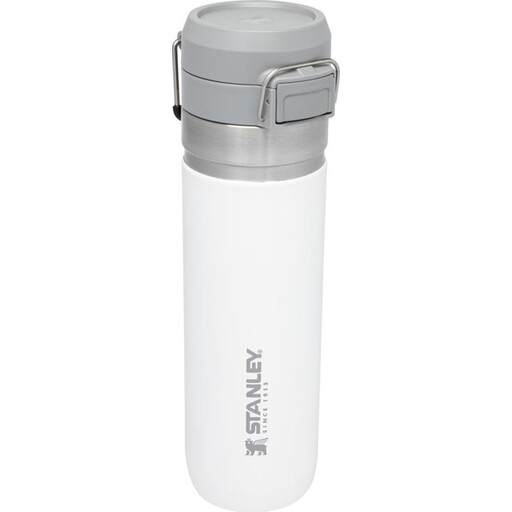
Why This Fits Their Persona: Ideal for those who need a durable and functional bottle for on-the-go use. The flip-top lid allows for one-handed drinking, which is very practical in the car or during sports. Its stainless steel construction ensures longevity.
The lid features an additional safety lock that prevents it from accidentally opening in a bag, addressing the typical weak point of flip-top designs.
Double-wall vacuum insulation keeps drinks cold for up to 12 hours. The integrated carrying handle enhances portability.
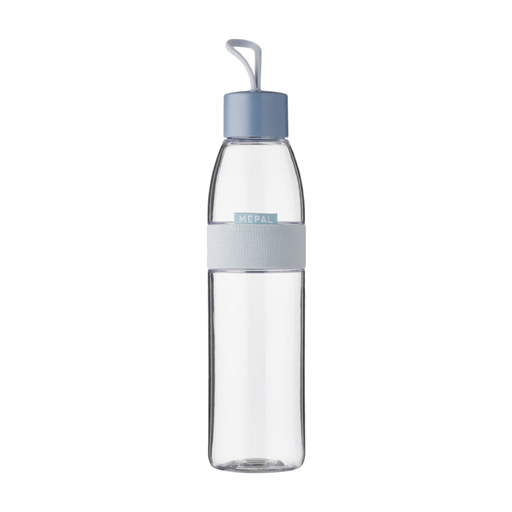
Why This Fits Their Persona: Perfect for anyone who doesn't want to give up their sparkling water on the go. This bottle is explicitly designed for carbonated beverages, combining this feature with a lightweight, modern design.
Unlike many other bottles that leak under pressure, this bottle's lid is engineered to withstand the pressure from carbonation while remaining leak-proof.
Made from BPA-free PCTG plastic, it's lightweight and dishwasher-safe. The practical loop ensures the lid never gets lost.
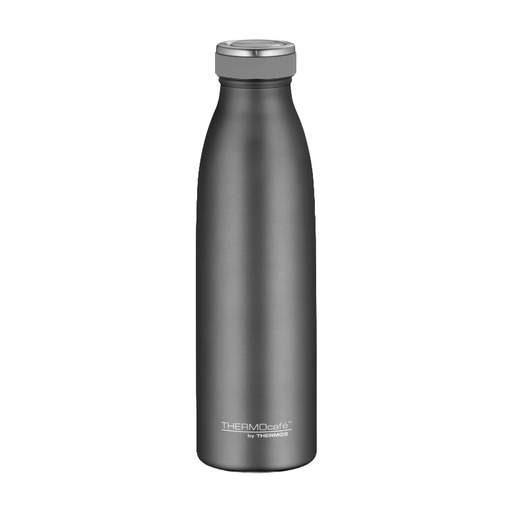
Why This Fits Their Persona: For users who value high and reliable insulation performance for coffee, tea, or cold drinks. Its slim design and durable stainless steel construction make it a dependable companion.
Instead of advertising with unrealistic maximums, this bottle offers practical, real-world insulation (12h hot / 24h cold), achieved through its double-wall stainless steel construction, which is more than sufficient for daily use.
The rubberised screw-top lid is easy to grip and completely sealed, even with carbonated drinks. The material is odour- and taste-neutral.
We have compiled a complete, up-to-date list of products that fully meet these strict selection criteria and safety regulations.
The proper cleaning method depends on the material. Many stainless steel or Tritan bottles are dishwasher-safe—check the manufacturer's instructions to be sure. For hand washing, use warm water, mild dish soap, and a bottle brush. For stubborn odours, a mixture of water and vinegar or baking soda can help. Always let the bottle air-dry completely after cleaning, preferably with the lid off.
The "BPA-free" label only means that it doesn't contain Bisphenol A. In theory, manufacturers could use other, lesser-known bisphenols as substitutes. To be safe, you should opt for established and tested materials like 18/8 stainless steel or high-quality Tritan from reputable brands. These materials are considered stable and won't leach unwanted substances into your drink.
The times stated by manufacturers are maximum values achieved under ideal conditions. In daily use, factors like the ambient temperature, how full the bottle is, and how often it's opened will affect the actual insulation performance. A good insulated bottle should keep coffee or tea noticeably hot for about 4–6 hours and water cool over an 8- to 12-hour workday. This is a realistic benchmark for everyday use.