
Lieferung heute & morgen

Qualitätsgarantie

Willkommens-Angebote freischalten: KOSTENLOSE Lieferung | Bis zu 80 % RABATT | Kostenlose 30-Tage-JoyPlus-Testphase
App herunterladen
A water bottle needs to be reliable when you’re out and about. It shouldn’t leak in your bag, should be easy to clean hygienically and needs to suit the drink you want to carry. However, eye-catching product claims don’t always help you choose the right bottle. A large capacity, for example, can make a bottle inconveniently heavy, while an especially lightweight water bottle may not be suitable for hot drinks.
The term leakproof water bottle is only meaningful if the cap, sealing ring and instructions for use all work together. If a silicone ring isn’t fitted correctly, liquid can leak even from a bottle that is otherwise watertight. Before buying, check:
For sports bottles with a flip-top or drinking spout, a locking slider is also useful if you’ll be carrying the bottle in a rucksack or sports bag.
A thermal bottle or insulated bottle keeps drinks hot or cold for varying lengths of time, depending on how full it is, the drink’s starting temperature and the surrounding conditions. Claims such as “up to” aren’t a guarantee for every everyday situation. Glass inner liners also need to be handled carefully, as they can be vulnerable to impacts. Many models aren’t suitable for carbonated drinks, dry ice or strong knocks.
A reusable water bottle should be able to dry out completely. Narrow openings, fixed drinking spouts and non-removable seals can make cleaning more difficult. Before you buy, check whether the bottle is dishwasher-safe or must only be washed by hand. Temperature limits are also important for plastic models: not every BPA-free water bottle is suitable for hot drinks.
A 500 ml water bottle can be a practical compromise for the commute or short errands. Models with a capacity of 550 to 730 ml mean you’ll need to refill less often, but take up more space and weigh more when full. For children, short trips or small bags, 380 to 400 ml may be enough.
As well as capacity, consider:
Stainless steel is durable and is often used for stainless steel water bottles, thermal containers and insulated bottles. Double-walled models can keep drinks at the desired temperature for longer. Tritan or PCTG plastic, on the other hand, is lightweight and transparent. Be sure to observe the temperature limits for each material.
BPA-free describes a product’s material, but you should still check that it’s suitable for how you plan to use it. A bottle can be BPA-free and still be unsuitable for boiling liquids, the microwave, the freezer or carbonated drinks.
A screw cap has a simple design and can seal reliably when the gasket is fitted correctly. A one-touch lid makes it easier to drink while exercising, but has additional moving parts. A filter bottle such as the BRITA Fill & Go Active is designed for cold tap water. Filter cartridges need to be replaced after the amount of water or period of time specified by the manufacturer and generally aren’t dishwasher-safe.
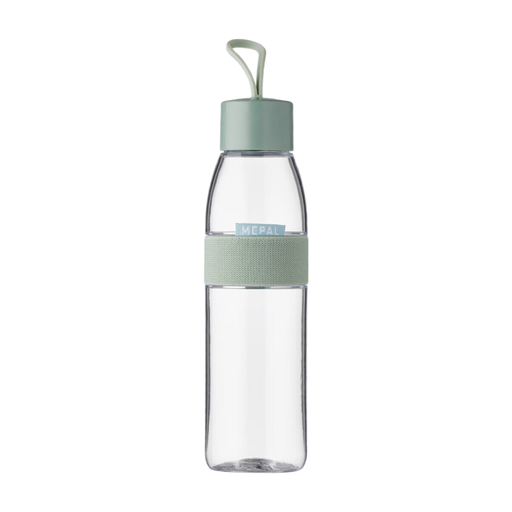
Why it suits this profile: This compact, BPA-free water bottle is designed for work, leisure and short trips. The manufacturer describes it as leakproof and dishwasher-safe when the elastic band is removed.
The screw cap needs to be fully closed. According to the product information, don’t fill the bottle to the brim if you’re using it for carbonated drinks.
500 ml capacity, weighs 110 g and is dishwasher-safe when the elastic band is removed.
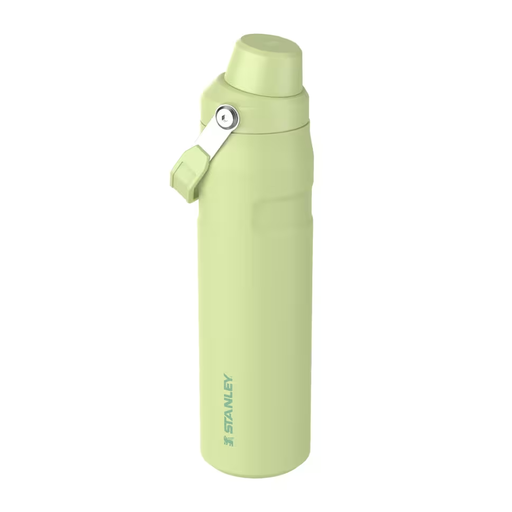
Why it suits this profile: Its double-walled stainless steel construction with vacuum insulation is ideal for commuters, sports enthusiasts and anyone who wants to carry cold drinks for longer.
The wide opening makes filling and cleaning easier. The product description says the bottle is dishwasher-safe; it isn’t designed for carbonated drinks.
600 ml capacity, weighs 370 g, has a carry handle and offers up to 10 hours of stated cold insulation.
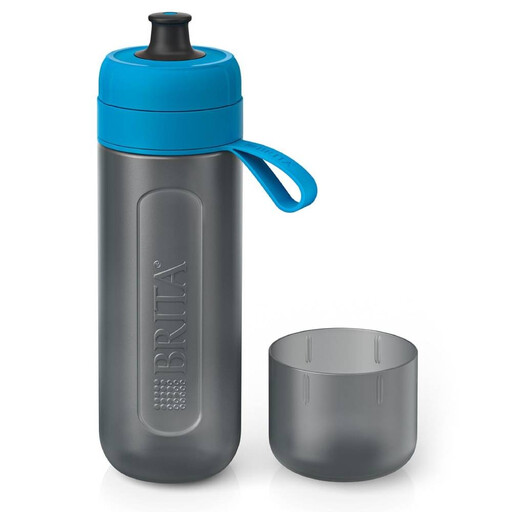
Why it suits this profile: For anyone who wants to filter cold tap water on the go. This model comes with a MicroDisc filter, a sports spout and a carry strap.
The instructions set out clear limits: use cold water only, and don’t use it for juice, hot drinks or carbonated drinks. Replace the filter after up to 150 litres or four weeks.
600 ml capacity, BPA-free plastic, and a dishwasher-safe bottle and lid when the filter is removed.
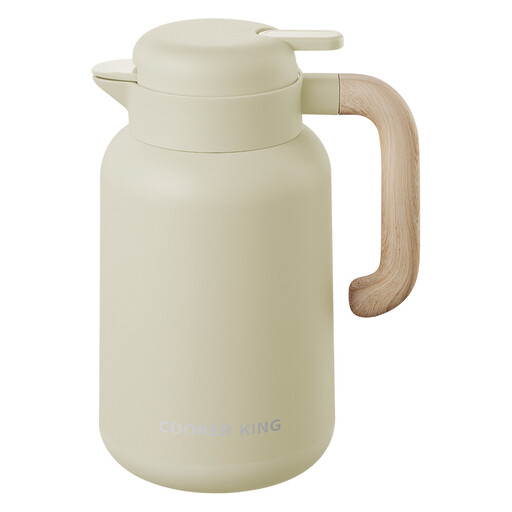
Why it suits this profile: This 1-litre thermal bottle offers extra capacity for the office, home or outdoor activities when you want to enjoy hot drinks throughout the day.
The glass inner liner needs careful handling during transport, and the bottle must be washed by hand. According to the product information, avoid impacts, overfilling, carbonated drinks and dry ice.
1 l capacity and designed for hot drinks such as water, tea or coffee.
We’ve put together a complete, regularly updated list of products that meet these strict selection criteria and the safety regulations in force in the EU.
Wash a new bottle before using it for the first time. After each use, remove any leftover drink and dry all the components separately. Sealing rings and drinking spouts need particular attention. Check regularly for:
If you can see any damage, stop using the bottle. A travel water bottle or a cosmetic bottle set doesn’t automatically belong to the same product category: cosmetic bottles are designed for shampoo, lotion or gel and need to be suitable for the contents. When travelling by air, check the applicable hand luggage rules for the airport and airline.
For commuters, 400 to 700 ml is often a practical capacity. The key things to consider are a secure cap, dimensions that fit your bag or cup holder, and easy cleaning. A lightweight plastic bottle is usually all you need for cold tap water. For hot drinks, an insulated stainless steel water bottle is a better choice, provided the instructions say it’s suitable.
There’s no set lifespan that applies to every bottle. It depends on the material, cleaning, exposure to heat and physical wear and tear. Replace seals as needed, and replace the bottle if it develops cracks, becomes warped or retains unpleasant smells.
Yes. You’ll need to factor in replacement filters for a filter bottle. For the BRITA Fill & Go Active, the manufacturer recommends replacing the filter after up to 150 litres or four weeks, whichever comes first. Don’t continue using the filter function without regular filter changes and cleaning.