
Lieferung heute & morgen

Qualitätsgarantie

Willkommens-Angebote freischalten: KOSTENLOSE Lieferung | Bis zu 80 % RABATT | Kostenlose 30-Tage-JoyPlus-Testphase
App herunterladen
A water bottle and travel mug combination can keep drinks within easy reach for commuters, students, professionals and athletes for several hours. However, not every model is equally suitable for hot drinks, carbonated beverages, backpacks or car cup holders.
Anyone who focuses solely on generous capacity or an impressive insulation claim can easily overlook important details. The following criteria help you assess marketing promises objectively and choose a reusable water bottle or suitable travel mug for your everyday needs.
Claims such as “up to 24 hours cold” refer to specific conditions, such as a completely filled and sealed vacuum-insulated bottle. Frequent opening, warm outdoor temperatures or a low fill level can affect the actual temperature retention.
For morning coffee at the office, four to eight hours of heat retention is often sufficient. For long hikes or work shifts, however, a larger thermos flask with stronger vacuum insulation may be the better choice.
A lid with a drinking opening does not automatically prevent leaks in a bag. The key factors are:
Some water bottles with straws are designed for convenient drinking while walking or exercising, but should not be used with hot drinks. In models exposed to pressure buildup, such as from carbonated beverages, the seal may also be subjected to additional stress.
A narrow bottle neck saves space, but makes cleaning more difficult. Lids, mouthpieces, sealing rings and straws must each be accessible. Otherwise, odours or residue may develop.
A wide opening makes it easier to add ice cubes and clean the bottle. With a stainless steel water bottle, you should also check whether it is dishwasher-safe. Some models may only be cleaned by hand.
For short trips and use at a desk, 350 to 500 ml is generally easy to handle. Capacities of 550 to 750 ml are suitable for commutes, workouts and longer periods without access to a refill. Larger models from around one litre provide greater reserves, but are heavier and may not fit every backpack or cup holder.
Before buying, compare the diameter and height with your car’s cup holder, the side pocket of your backpack or your bicycle bottle holder.
18/8 stainless steel or 304 stainless steel is commonly used for double-walled insulated containers. Some products are made from 316 stainless steel, which, according to the product description, offers enhanced corrosion resistance. Tritan plastic models, by contrast, are particularly lightweight and transparent, but are not suitable for every temperature.
The designation BPA-free water bottle indicates that the manufacturer specifies BPA-free materials. On its own, however, it says nothing about insulation performance or leak protection. Always observe the stated temperature range. According to the product information, the LocknLock Eco Water Bottle is designed for cold drinks between -20 °C and 60 °C.
A screw cap has a simple design and can close reliably when the seal is fitted correctly. Flip-top closures often allow one-handed operation. A straw makes drinking during training more convenient, but adds extra components that need to be cleaned.
For hot drinks, a drinking opening with a secure cover and the appropriate manufacturer approval is important. Carbonated drinks, milk-based beverages and acidic liquids should only be added if the product information explicitly permits this.
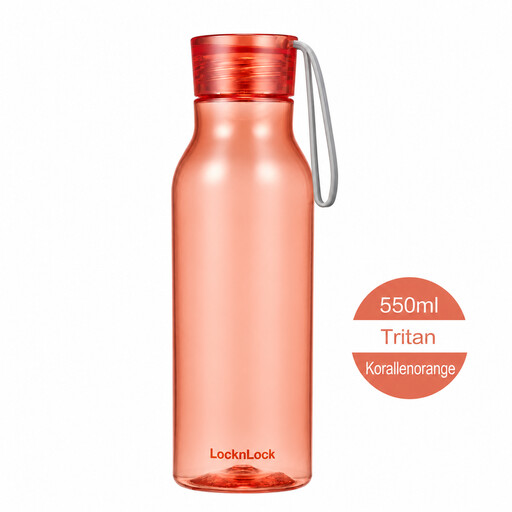
Why it fits: This lightweight 550 ml model is suitable for cold drinks at the office, university or on short trips.
The temperature range of up to 60 °C clearly defines its intended use. The silicone seal must sit correctly in the groove of the lid.
Tritan body, stated by the product information to be BPA-free, weighing approximately 110 g and featuring an integrated carrying loop.
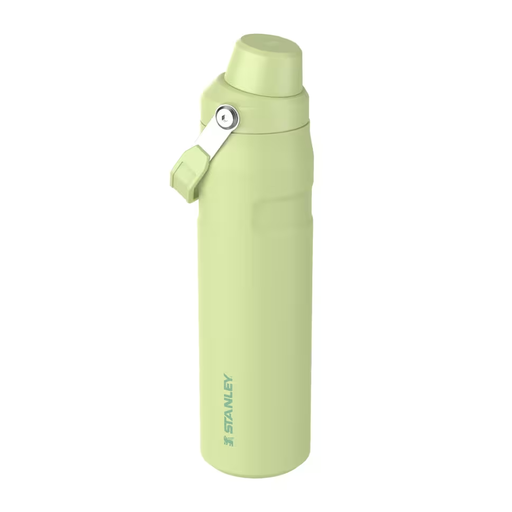
Why it fits: With its wide drinking opening and carry handle, this bottle is well suited to commuters, gym sessions and everyday use.
The product information specifies ten hours for cold drinks and up to two days with ice. The model is not intended for carbonated beverages.
Double-walled recycled 18/8 stainless steel, 600 ml capacity, dishwasher-safe and designed to fit many car cup holders.
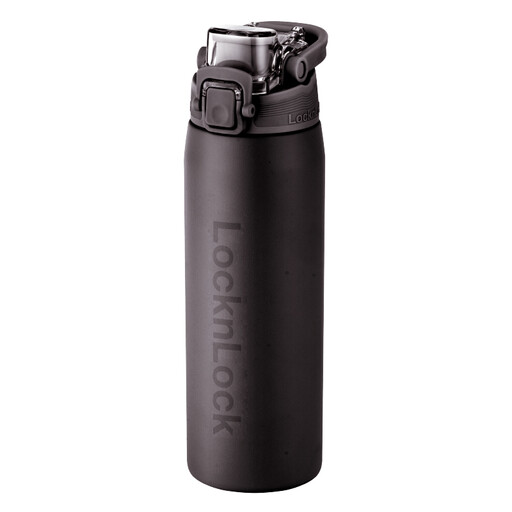
Why it fits: Its larger capacity and straw are designed for sports, walks, outdoor activities and long days of study.
The care instructions require hand washing. This makes the additional cleaning effort caused by the straw clear from the outset.
316 stainless steel according to the product description, 720 ml capacity and a straw for convenient drinking.
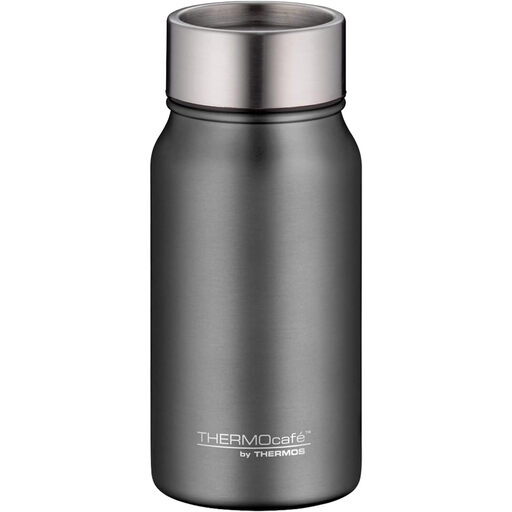
Why it fits: Its compact design is made for coffee, tea and short journeys by car or train.
The push-button lid and the stated retention times of eight hours hot and 16 hours cold define its intended use.
Double-walled stainless steel, BPA-free materials according to the product information, dishwasher-safe lid and 350 ml capacity.
For particularly high drinking volumes, the BODUM Travel Mug Tumbler with 1.2 litres is worth considering. According to the product description, it features a handle, lid and straw. Before carrying it in a bag, users should check whether the closure is suitable for the intended position.
If you are looking for a slim 400 ml travel mug, you can compare the Emsa N21511 Travel Mug with the Thermos TC ThermoPro Thermo Mug. Both product descriptions mention stainless steel, a flip-top lid and leak protection. The ThermoPro model is rated for up to four hours hot and eight hours cold, while the Emsa model is rated for up to eight hours hot and 16 hours cold.
We have put together a current selection of products that meet these criteria and the applicable safety requirements for everyday use in Germany.
That depends on how you plan to use it. Stainless steel is often well suited to insulated water bottles and hot drinks. Tritan or other BPA-free plastics can be lighter and are practical for cold drinks. The decisive factors are the temperature range, cleaning instructions and closure.
Its service life depends on the seals, exterior finish, cleaning routine and exposure to drops or impacts. A damaged bottle should no longer be used, as its insulation performance may be compromised. Sealing rings are wear parts and should be replaced if they develop cracks or persistent odours.
Only if the manufacturer specifies a leak-proof closure and the seal has been fitted correctly. Models with splash protection should be transported upright. Before first use, it is advisable to test the mug with cold water before placing it in a work bag filled with coffee or tea.