
Lieferung heute & morgen

Qualitätsgarantie

Willkommens-Angebote freischalten: KOSTENLOSE Lieferung | Bis zu 80 % RABATT | Kostenlose 30-Tage-JoyPlus-Testphase
App herunterladen
A water bottle should stay leak-proof in your rucksack, feel comfortable in your hand and be easy to clean. However, eye-catching designs, unclear material information and exaggerated promises often lead to disappointing purchases. Especially when choosing a drinking bottle for daily use in the office, at school or during sport, reliable product details matter more than advertising claims alone.
A leak-proof water bottle is not guaranteed simply by having a flip-top lid. The fit of the lid, a correctly positioned silicone ring and, where applicable, an additional locking mechanism are all crucial. If this information is missing, a bottle may leak inside your sports bag or rucksack.
Before buying, check the following:
Many models are expressly intended only for still, cold or room-temperature drinks.
Not every sports bottle is suitable for tea, boiling water or hot drinks. With some plastic bottles, high temperatures can cause deformation; sealed containers can also pose a scalding risk. A water bottle should therefore only be used within the specified temperature range.
According to the product specifications, the 730 ml LocknLock Active Sports Bottle is intended for drinks from -20 °C to 60 °C. It is not suitable for boiling water, microwaves or ovens. The 550 ml version is also designed for cold and room-temperature drinks.
A bottle with a narrow neck or permanently attached mouthpiece can be difficult to clean. Residue builds up particularly around threads, seals and flip mechanisms. Check whether the bottle can be dismantled, whether it is dishwasher-safe and which cleaning products should not be used.
For many plastic models, hand washing with mild washing-up liquid is recommended. Chlorine-based cleaners, abrasive products and filling the bottle with unsuitable drinks can damage the material or seals.
A Tritan water bottle is made from a transparent copolyester. LocknLock models are described as offering glass-like clarity, low weight and BPA-free Tritan material. According to the stated specifications, a 550 ml bottle weighs approximately 125 g, while the 730 ml version weighs around 145 g.
For a BPA-free drinking bottle, this information should be expressly stated in the product specifications. BPA-free describes a material characteristic and is not a general promise regarding health benefits. Plastic bottles should also not be exposed to intense heat for prolonged periods.
A water filter bottle additionally contains a filter element. BRITA Vital models use a MicroDisc filter unit. According to the stated product specifications, the filter is intended for cold drinking water and must be replaced regularly. The filter itself must not be put in the dishwasher.
The right capacity depends on how you intend to use the bottle:
Also pay attention to the diameter and height. A bottle may fit in your rucksack but not in a bicycle or drinks holder.
A lightweight drinking bottle is more comfortable to carry when you are out and about. However, it is important not to consider weight in isolation. A sturdy lid, a reliable seal and an easy-grip shape can be more important in everyday use than a difference of a few grams.
Transparent bottles are useful for the office and school because you can see the fill level quickly. During sport, a one-handed lid with a safety lock may be more practical. For travel, also check whether the empty bottle can be transported in a space-saving way and whether it can be dried completely.
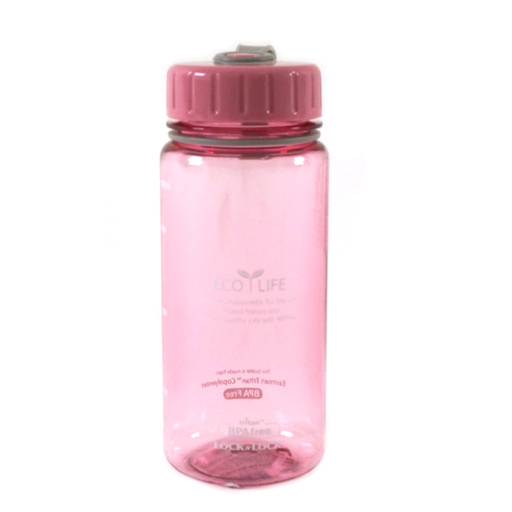
Why this product suits the profile: The compact size is ideal for short journeys, school, the office and smaller bags. Its specified BPA-free plastic construction keeps the weight low.
The capacity and intended use are clearly specified. The bottle is not designed for microwaves, extreme temperatures or hot liquids.
400 ml capacity, BPA-free plastic and a compact format for everyday use and short trips.
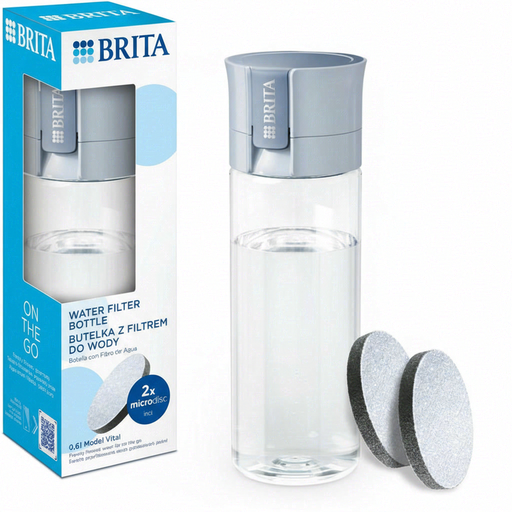
Why this product suits the profile: For users who want to filter tap water while out and about, this model combines a 600 ml capacity with a MicroDisc filter unit and a flip-top lid.
The filter replacement intervals are specified: approximately 60 litres or at least once a month. The filter must be removed before cleaning.
600 ml capacity, BPA-free material, two MicroDisc filters included and a dishwasher-safe bottle without the filter inserted.
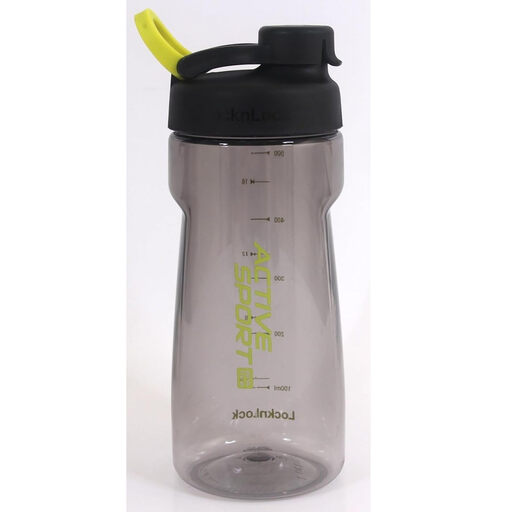
Why this product suits the profile: The larger capacity is aimed at active adults, commuters and travellers who want to refill less often during training or longer journeys.
The one-touch lid has a safety clip. The seal must be positioned correctly; according to the product information, carbonated and fermented drinks are not intended for use with this bottle.
730 ml capacity, approximately 145 g in weight, Tritan copolyester and a lid with an additional safety lock.
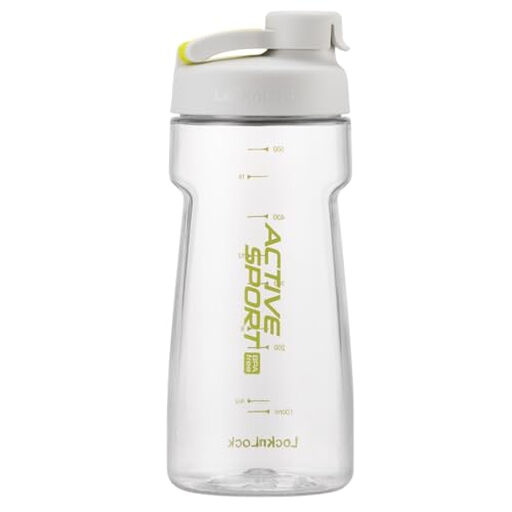
Why this product suits the profile: The medium capacity and compact 68 mm diameter make it suitable for the gym, bicycle holders, the workplace and everyday use.
The safety slider prevents accidental opening. Hand washing is recommended for long-term care; the dishwasher and hot liquids are not suitable.
550 ml capacity, approximately 125 g in weight, Tritan copolyester, one-handed mechanism and silicone seal.
We have put together a complete, regularly updated list of products that fully meet these strict selection criteria and the safety regulations applicable in the EU.
For short journeys and school, 400 ml is often sufficient. A 500 ml drinking bottle is a versatile everyday size. If you want to refill less often during sport, travel or at the office, you can choose 600 ml or 730 ml. The size of your bag, the weight and compatibility with drinks holders are also important.
Ideally, a drinking bottle should be emptied and rinsed every day, and cleaned regularly with mild washing-up liquid. Seals and lids require particular attention, as moisture and residue can collect there. A filter bottle must also be cared for according to the relevant filter instructions.
There is no fixed service life that applies in every case. The material, frequency of use, cleaning routine and impact from drops all affect durability. Check the bottle before each use for cracks, damaged threads and a brittle seal. If there is visible damage, it should no longer be used.