
Lieferung heute & morgen

Qualitätsgarantie

Willkommens-Angebote freischalten: KOSTENLOSE Lieferung | Bis zu 80 % RABATT | Kostenlose 30-Tage-JoyPlus-Testphase
App herunterladen
Whether at the office, on the commute, during a workout or on a longer journey: water bottles and travel mugs are part of many people’s everyday essentials. The selection ranges from compact plastic bottles and stainless steel water bottles to large tumblers with straws and beverage dispensers for events.
However, not every detail on the packaging adequately describes practical performance. For example, a leakproof water bottle will only seal reliably if the gasket is positioned correctly. A travel mug with a straw is not automatically suitable for hot drinks. Before buying, you should therefore consider the material, closure, capacity and cleaning requirements together.
The term leakproof is only genuinely useful in everyday use when the lid, thread and silicone gasket work together correctly. Check the following:
With the LocknLock Eco Water Bottle 550 ml, the silicone ring must sit correctly in the designated groove. Otherwise, the sealing performance may be compromised. This is a specific design detail that should be taken into account both when buying and using the bottle.
An insulated water bottle or vacuum-insulated travel mug can keep a drink at a stable temperature for longer than a single-wall container. Actual performance depends on the fill volume, starting temperature, ambient conditions and closure.
A tumbler with a straw is particularly convenient for cold drinks. Hot beverages, however, present additional burn risks. According to the product information, some models are intended exclusively for cold drinks. Temperature limitations should therefore never be disregarded.
Drinking apertures, straws, lids and gaskets can collect residue. A bottle that may only be washed by hand requires more care in everyday use than a dishwasher-safe model. A large vessel with a narrow neck can also be more difficult to clean thoroughly with a brush.
Pay attention to:
A 500 ml water bottle is ideal for short journeys, the desk or a single class. A 600 ml water bottle provides more capacity for commutes, workouts and day trips while generally remaining compact. For longer days, 650 to 720 ml may be a sensible choice.
Large models such as a 1.2-litre tumbler reduce the need for refills, but require more space and can become considerably heavier when full. Capacity is therefore only one part of the decision. Also consider:
A BPA-free water bottle made from Tritan or another type of plastic is often lightweight and transparent. According to the product information, the 550 ml LocknLock model is intended for cold drinks between -20 and 60 °C and must not be placed in the dishwasher.
A stainless steel water bottle is durable and, depending on its design, suitable for cold or hot drinks. Double-wall vacuum insulation can help maintain the temperature for longer. Models with straws often come with separate restrictions, however. Carbonated drinks can create pressure in sealed containers and are not intended for several of the products mentioned here.
Glass bottles preserve the original flavour of beverages but are more susceptible to breakage. A glass bottle with a protective sleeve may be suitable for the office and short journeys. Glass beverage dispensers should be used exclusively for cold or room-temperature drinks unless the product information states otherwise.
A screw-top lid offers a straightforward design and, when properly closed, is often well suited to transport. A flip-top closure allows one-handed opening, while a wide drinking spout makes it easier to drink quickly.
A travel mug with a narrow drinking opening is better suited to coffee or tea on the go. A wide lid opening makes it easier to add ice and clean the container. With a tumbler with a straw, check whether the lid is genuinely sealed for transport with the straw inserted or whether the straw must be removed first.
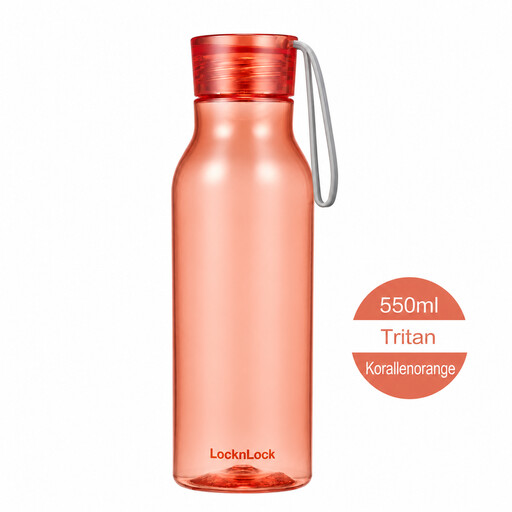
Why this product suits the profile: According to the product information, this lightweight Tritan model weighs around 110 g and, with its 550 ml capacity, is easy to carry in a bag or backpack.
The product information explicitly states the correct position of the silicone ring, the 60 °C temperature limit and the requirement for hand washing.
BPA-free Tritan, 550 ml capacity and an integrated carrying loop.
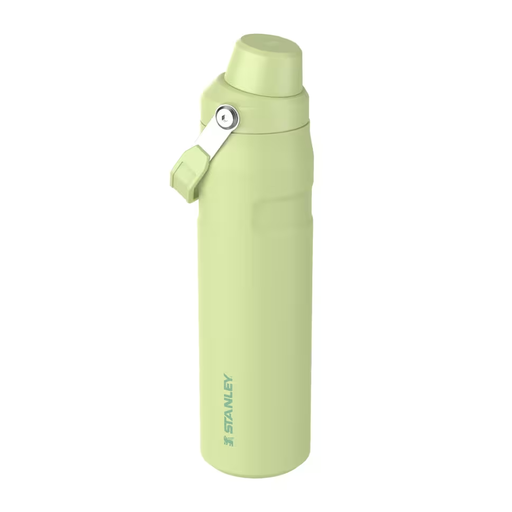
Why this product suits the profile: This double-wall stainless steel bottle combines a 600 ml capacity with vacuum insulation and a wide drinking spout.
The wide opening makes filling and cleaning easier; according to the product information, the bottle is dishwasher-safe.
18/8 stainless steel, vacuum insulation and compatibility with many vehicle cup holders.

Why this product suits the profile: This large tumbler is designed for people who regularly drink cold beverages on the go or at the office and prefer using a straw.
The specifications distinguish between use with the straw and transport without it. Hand washing is required, and carbonated drinks should not be used.
18/8 stainless steel, double-wall vacuum insulation and a tapered base that fits many vehicle cup holders.
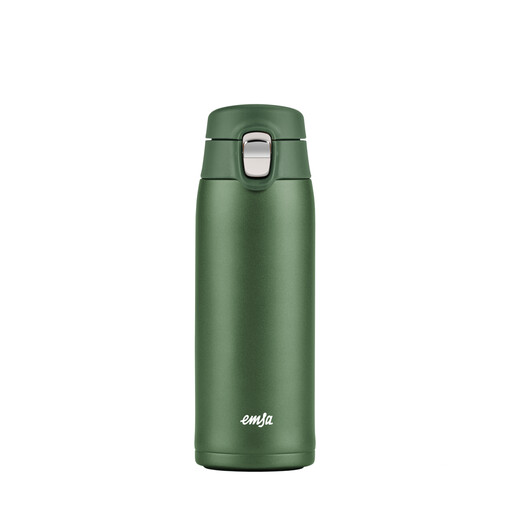
Why this product suits the profile: This slimline stainless steel travel mug is ideal for commuters looking for a compact container with a flip-top closure.
The manufacturer specifies a flip-top closure, a slimline design and a leakproof construction. The lid should be fully locked before transport.
0.4 l capacity, stainless steel construction and stated insulation performance of 8 hours for hot drinks and 16 hours for cold beverages.
We have compiled a complete, regularly updated selection of products that fully meet these strict selection criteria and the safety regulations applicable in the EU.
Even suitable water bottles for on-the-go use require regular care:
For households and hosts, beverage dispensers with capacities of 4, 6 or 8 litres can be a practical choice. Glass models with a tap should only be used for cold or room-temperature drinks and handled with care.
For short journeys and office use, 380 to 500 ml is often sufficient. A 600 or 650 ml water bottle provides more capacity for sports, commuting and travel. Weight, bag-friendly dimensions and cleaning options are also important factors.
Not necessarily. With some models, the straw may be unsuitable for hot liquids. Before use, check the manufacturer’s specific instructions and drink hot beverages carefully to avoid scalding.
Clean all surfaces that come into contact with drinks regularly using warm water and a suitable washing-up liquid. Straws, lids and gaskets should be cleaned separately and dried completely. If you notice cracks, lingering odours or damaged seals, replacing the component or bottle is advisable.