
Lieferung heute & morgen

Qualitätsgarantie

Willkommens-Angebote freischalten: KOSTENLOSE Lieferung | Bis zu 80 % RABATT | Kostenlose 30-Tage-JoyPlus-Testphase
App herunterladen
A water bottle should stay leakproof in your rucksack, keep drinks at the right temperature and be easy to clean. In practice, though, you may not find out until after buying whether the lid, material and size suit your everyday needs. A leakproof water bottle for your commute needs different features from a lightweight sports bottle or an insulated travel bottle.
This buying guide will help you make sense of the technical details and avoid common purchasing mistakes.
The term leakproof does not necessarily mean a bottle is suitable for every situation. A screw-top lid with a silicone ring can seal reliably with still drinks, provided the seal is fitted correctly. With fizzy drinks, fermentation or changes in pressure, however, liquid may leak or the lid may come loose.
So, look for:
A water bottle with a straw is not automatically suitable for carrying in a bag, either. With some models, it only becomes leakproof when the straw is removed or the lid is fully closed.
A vacuum flask or insulated bottle with double-wall vacuum insulation can keep drinks at the right temperature for much longer than a single-wall water bottle. But that doesn’t mean every model is suitable for hot drinks. Some sports bottles are designed for cold or room-temperature drinks only.
So check:
A single-wall stainless steel water bottle, on the other hand, is usually lighter and more compact, but may become hot to the touch when filled with hot drinks.
Mouthpieces, straws, valves and silicone rings can make a bottle easier to use, but they also take more effort to clean. Residue can build up, particularly in hard-to-reach areas. That’s why “dishwasher-safe” should always be considered in relation to the whole product: with filter bottles, for example, it’s often only the bottle itself—not the filter—that is dishwasher-safe.
Stainless steel is durable, neutral in taste and, in double-wall designs, suitable for keeping drinks at the right temperature. Models made from 18/8 stainless steel or STS304 are often used every day. According to product specifications, 316 stainless steel offers increased corrosion resistance, but it isn’t automatically necessary for every use.
Tritan plastic is lightweight, transparent and less prone to breaking than glass. A BPA-free Tritan water bottle is particularly suitable for commuters, school pupils, students and sports activities. However, check the stated temperature range: some models are designed for cold and room-temperature drinks only.
Glass can be neutral in taste, but is more vulnerable to knocks. A protective sleeve or thermal cover can make it easier to handle. For rucksacks, cycling and outdoor activities, weight matters just as much as the risk of breakage.
For short trips, 350 to 500 ml is often enough. For the office, commuting or longer training sessions, 550 to 750 ml is practical. Larger models of around a litre or more mean fewer refills, but take up more space and weigh more when full.
Also check:
A filter bottle such as the BRITA Fill & Go Active is designed for cold tap water. According to the manufacturer, the MicroDisc filter reduces substances such as chlorine that can affect the taste, and must be replaced after four weeks or 150 litres at the latest. So remember to include the ongoing cost of replacement filters when comparing prices.
For all bottles, clean the lid, seal and mouthpiece regularly, and let them dry completely. Follow instructions such as “hand wash only”. Only fill a bottle with fizzy drinks, milk-based drinks or hot liquids if the manufacturer explicitly says it is suitable for them.
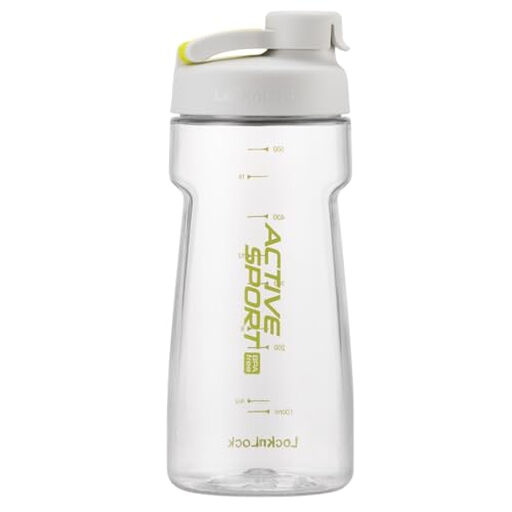
Why this product suits this profile: This lightweight Tritan bottle is suitable for work, school, the gym and short trips. Its one-handed lid with safety lock makes it easier to use on the go.
The silicone seal must sit correctly in the groove in the lid. The stated temperature range of -20 to 60 °C clearly defines the bottle’s intended use.
BPA-free Tritan, a capacity of around 550 ml and an integrated carry strap.
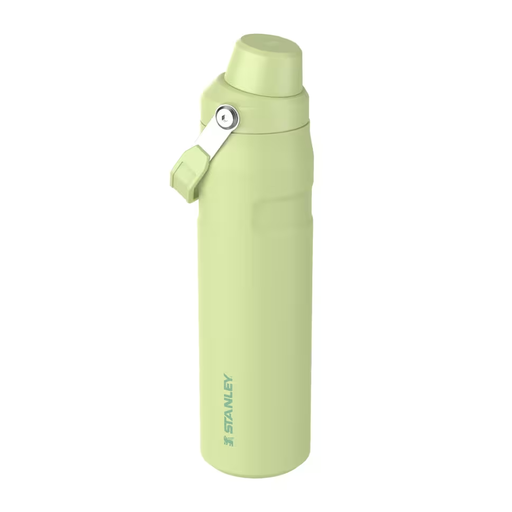
Why this product suits this profile: This double-wall stainless steel bottle is a good choice if you’re looking for a robust sports bottle with a wider opening and a carry handle.
The product details state that it weighs 370 g, is dishwasher-safe and has a leakproof lid. Fizzy drinks are explicitly excluded.
Made from 90% recycled 18/8 stainless steel according to the product description, with vacuum insulation. The manufacturer states that it keeps drinks cold for up to 10 hours and ice for up to two days.
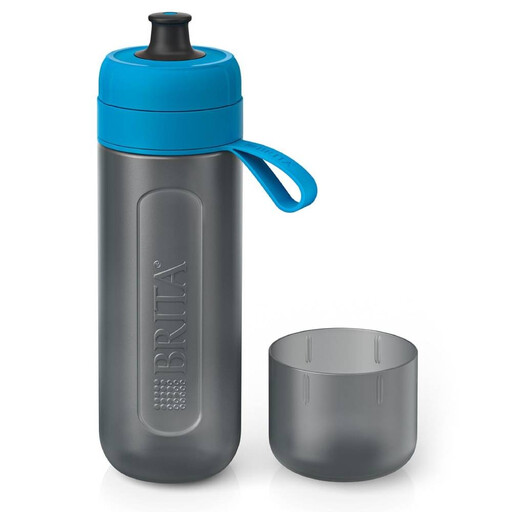
Why this product suits this profile: Designed for professionals, travellers and sports enthusiasts who want to filter cold tap water on the go, this model combines a drinking spout, carry strap and filter.
The filter is stated to last for up to 150 litres or four weeks. The filter and bottle need to be cared for separately.
BPA-free material, a dishwasher-safe bottle and one-handed use. Designed for cold drinking water only.
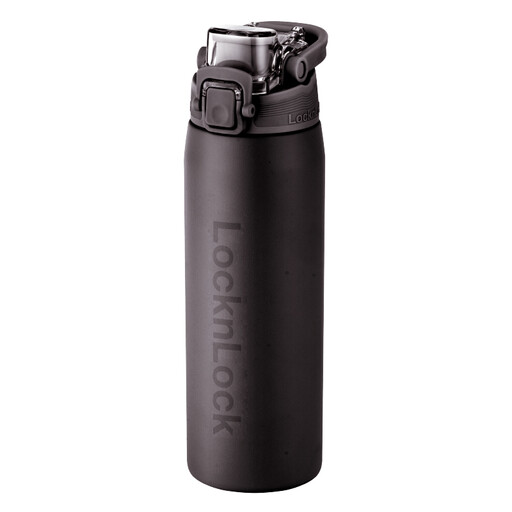
Why this product suits this profile: Its larger capacity and straw make it a good fit for long working days, outdoor activities, studying and training when you need to drink frequently.
The manufacturer specifies hand washing, a secure lid closure and that the bottle must not be used with fizzy drinks. These details clearly define its intended use.
A capacity of 720 ml, 316 stainless steel according to the product details, and an integrated straw for easy drinking on the go.
We’ve put together a complete, regularly updated list of products that meet these strict selection criteria and the applicable EU safety regulations.
A 500 to 750 ml bottle is usually a handy size for the office and commuting. A BPA-free Tritan bottle is lightweight and durable. If you want drinks to stay cold or hot for several hours, an insulated double-wall bottle is a good choice. Also check that it fits in your cup holder and can be carried safely in your bag.
Its lifespan depends on the material, lid and how well it is cared for. Stainless steel can last a long time with proper care, but seals and mouthpieces may wear out sooner. Replace a bottle if it has cracks, damaged seals, is misshapen or has lost its vacuum insulation. With filter bottles, replace the filters according to the manufacturer’s instructions.
Replacement filters are an additional cost on top of the purchase price. According to the product details, the filter in a BRITA Fill & Go Active should be replaced after up to 150 litres or four weeks. Compare the price per filter with how much you expect to drink. If you don’t need a filter, a simple stainless steel or Tritan water bottle may be more economical.