
Lieferung heute & morgen

Qualitätsgarantie

Willkommens-Angebote freischalten: KOSTENLOSE Lieferung | Bis zu 80 % RABATT | Kostenlose 30-Tage-JoyPlus-Testphase
App herunterladen
Whether you need one for your commute, the office, sport or travelling, water bottles and travel mugs need to work reliably in everyday life. Marketing claims such as “leakproof”, “keeps drinks cold for particularly long” or “dishwasher-safe” are only useful when the technical details and care instructions support them. Our selection highlights the criteria that matter before you buy and which products suit different usage needs.
A lid with a drinking opening can reduce splashes, but it is not automatically suitable for carrying in a bag. Some models are only leakproof when kept upright. A straw can also affect the design: with some products, complete leakproofing is only achieved once the straw has been removed and the opening closed.
Before buying, you should therefore check:
An insulated water bottle or vacuum flask can keep hot and cold drinks at temperature for several hours. However, the exact duration depends on the capacity, starting temperature, surroundings and how often the bottle is opened. Claims such as “keeps drinks cold for up to 20 hours” should therefore be understood as a product value measured under certain conditions, rather than a constant everyday temperature.
With a travel mug, it is also important to know whether the lid only protects against splashes or can actually be closed securely for transport.
A wide drinking opening makes it easier to add ice cubes and clean the bottle. Models with a narrow neck or permanently fitted straw, on the other hand, often require a bottle brush and thorough drying. The term dishwasher-safe mug does not automatically apply to every individual part. With some stainless steel water bottles, only the bottle itself is dishwasher-safe, while the lid and seals must be cleaned separately.
Stainless steel is durable and is often used for double-walled vacuum flasks. The models described here include 18/8 stainless steel and 316 stainless steel. 316 stainless steel is described by the supplier as more corrosion-resistant; this does not, however, constitute a general quality comparison with every other stainless steel product.
A BPA-free water bottle may be made from plastic or from stainless steel with plastic components. Check the specific material details for the entire lid, particularly the straw and seals.
Ceramic is primarily suited to coffee mugs, ceramic mugs or coffee cups for use at home and in the office. It does not affect the taste and is easy to clean, but it can break if knocked. Before use, ceramic vessels should be checked for cracks or chips.
For short journeys, 350 to 500 ml is often sufficient. If you are out and about for several hours, you may prefer a capacity of 600 to 750 ml. Larger models holding around one litre provide more volume, but are heavier and take up more space.
For commuters, a diameter that fits standard car cup holders is particularly practical. You should also check the height if the bottle needs to fit in the side pocket of a rucksack or underneath a coffee machine.
A travel mug with a flip-top lid can often be operated with one hand. A screw-top lid may provide additional security during transport, but takes a little longer to open. Even with a leakproof travel mug, you should follow the manufacturer’s instructions and regularly check the closure system for signs of wear.
Removable lid components, a wide opening and clear care instructions make cleaning easier. Do not use abrasive products if the product information states that they could damage the surface or seal.
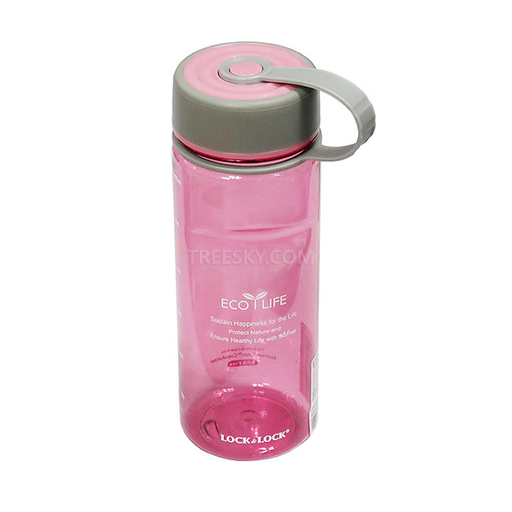
Why this product suits the profile: This 650 ml sports bottle made from BPA-free plastic is designed for commuting, the office, travelling and training. Its capacity offers a practical middle ground for everyday use.
The care instructions specify hand washing and warn against using a microwave or exposing the bottle to extreme temperatures. This makes the cleaning requirements easier to assess before buying.
650 ml capacity, BPA-free plastic and, according to the product description, a leakproof closure.
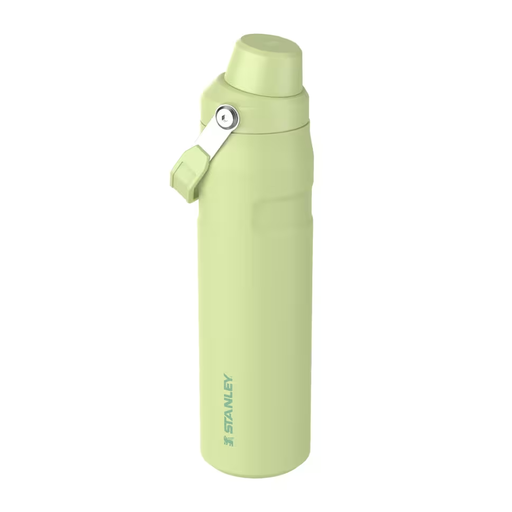
Why this product suits the profile: This double-walled stainless steel water bottle features vacuum insulation, a wide drinking spout and a carry handle. It is designed for sport, commuting and everyday use.
The wide opening makes filling and cleaning easier. According to the product details, the bottle is dishwasher-safe and designed to fit standard car cup holders.
90% recycled stainless steel according to the product description, vacuum insulation and a stated cooling performance of up to 10 hours.
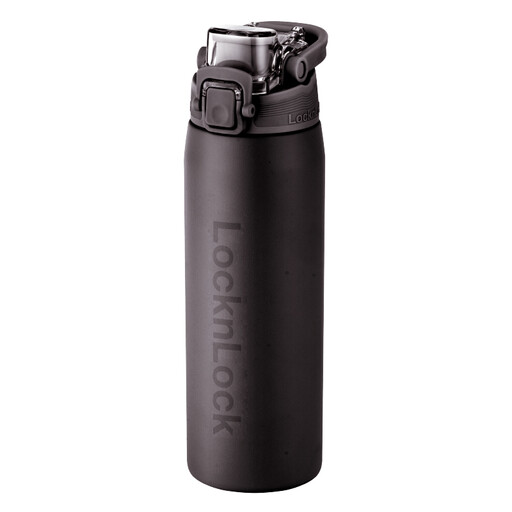
Why this product suits the profile: This model combines a 720 ml capacity with a straw and 316 stainless steel. It is suitable for sport, walks, studying and outdoor activities.
Hand washing is explicitly required. By planning for this care routine, you can avoid damage caused by an unsuitable dishwasher.
720 ml capacity, 316 stainless steel and a straw; according to the product information, it is not suitable for carbonated drinks.
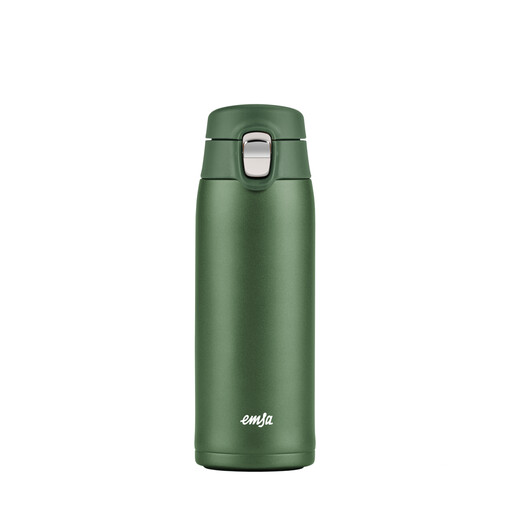
Why this product suits the profile: This slim stainless steel travel mug is designed for commuting and one-handed use. Its capacity is suitable for many servings of coffee on the go.
The product description distinguishes between a closed, leakproof lid and safe upright transport. This limitation should be taken into account when carrying it in a bag or rucksack.
400 ml, flip-top lid and stated insulation performance of up to 8 hours for hot drinks and 16 hours for cold drinks.
If you do not plan to transport the mug, ceramic models offer a different type of use. The YumiPLUS Blue Trapezoidal Cup holds approximately 282 ml and, according to the product details, is suitable for use in the microwave and dishwasher. The JIWOO Elegant Mug holds 330 ml and features a handle and glossy finish. It can also be used in the microwave and dishwasher.
With ceramic products, remember: do not continue using damaged vessels, avoid sudden changes in temperature and take care when handling hot drinks. Always check that the claims “dishwasher-safe” and “microwave-safe” apply to the specific model.
We have put together a complete, regularly updated list of products that fully meet these strict selection criteria and the safety regulations applicable in the EU.
For short commutes, 350 to 500 ml is generally easy to handle. On long days without regular opportunities to refill, 600 to 750 ml may be more practical. Also check whether the model fits in your car’s cup holder or rucksack compartment.
This depends on the model, capacity, starting temperature and how often it is opened. Manufacturer claims such as 8 or 10 hours are guidelines taken from the relevant product description. Preheating the flask with hot water before filling it can help it retain the temperature.
Not necessarily. The key factors are the lid design, sealing ring and intended transport position. With some models, leakproofing is only guaranteed when the lid is closed or the straw has been removed. These instructions should be followed before buying and before transporting the bottle.