
Lieferung heute & morgen

Qualitätsgarantie

Willkommens-Angebote freischalten: KOSTENLOSE Lieferung | Bis zu 80 % RABATT | Kostenlose 30-Tage-JoyPlus-Testphase
App herunterladen
As a Joybuy Product Recommendation Officer, I see it as my duty to sift through market information and provide you with objective, practical advice. The goal is to help you see through marketing hype and make an informed decision. This guide focuses on water filter bottles and will help you avoid common purchasing mistakes.
Tap water in Germany is high quality, but its taste can be affected by chlorine or old pipes. A water bottle with a filter promises a solution here. However, opaque product specifications and exaggerated advertising claims often lead to disappointment. Before you invest, you should be aware of the three most common pitfalls:
To avoid these pitfalls, you should focus on three core parameters. These will help you objectively evaluate a product's performance and value.
The heart of any filter bottle is its filter technology. Models like the BRITA Water Filter Bottle use a BRITA MicroDisc. This is made of compressed activated carbon derived from coconut shells. How it works is crucial:
Look for clear specifications on filter performance. A detail like “filters up to 60 litres” is a measurable quantity that helps you calculate the lifespan and cost per litre.
A bottle for daily use must be robust and practical. Check the following points:
The size of the bottle and the cost of replacement filters determine its practicality and cost-effectiveness.
Based on these objective criteria, we have compiled a selection of products suitable for different user profiles.
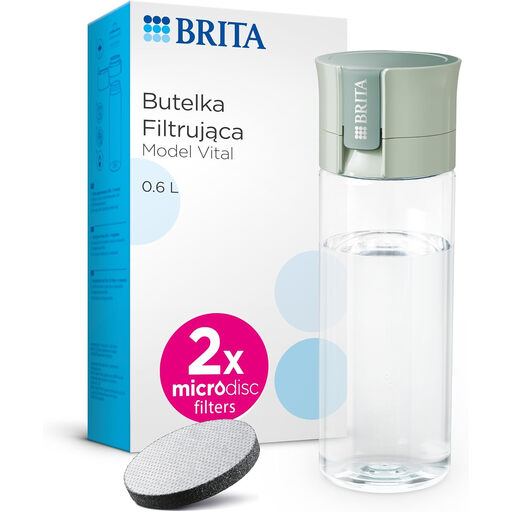
Why This Fits Their Persona: Ideal for the daily commute to work or university. The compact 600 ml format fits in any bag or cup holder. The one-handed closure and light weight make the bottle an uncomplicated companion.
The MicroDisc technology offers clearly defined filter performance (Pitfall 1). The material is BPA-free and the seal is designed to be leak-proof (Pitfall 2). The starter set with two filters provides cost transparency (Pitfall 3).
Reliably reduces chlorine and other taste-impairing substances. Minerals are retained. The bottle is dishwasher-safe, making it easy to clean.
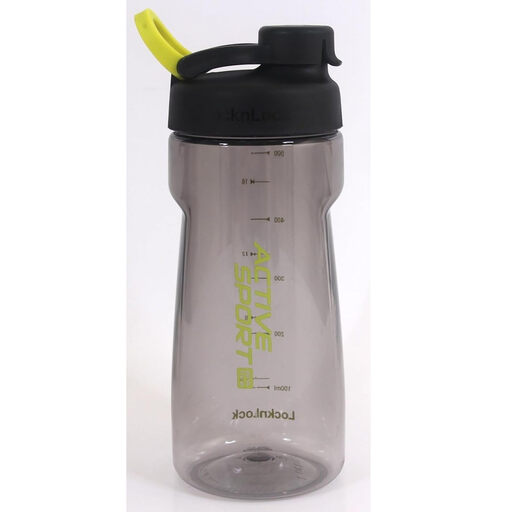
Why This Fits Their Persona: For athletes who need a robust, leak-proof bottle with a large volume and do not require water filtration. The Tritan material is durable, and the closure with a safety clip prevents accidental opening during sports.
Focuses on durability and leak-proofing with high-quality Tritan and a secure closure (Pitfall 2). Since there is no filter system, there are no follow-up costs at all (Pitfall 3).
Large 730 ml capacity. Made from 100% BPA-free Tritan, which combines glass-like clarity with high durability. The one-touch flip-top lid with a locking clip is designed for active use.
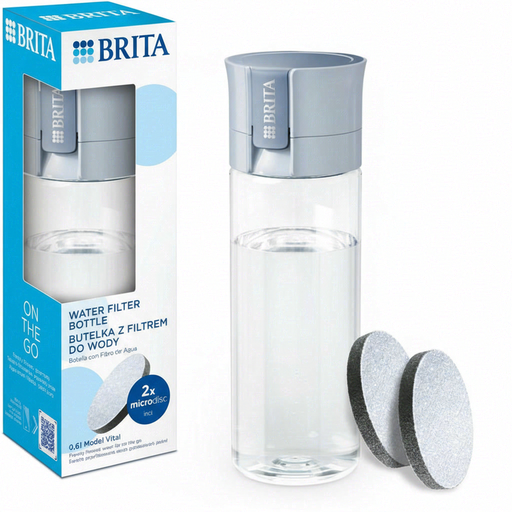
Why This Fits Their Persona: A complete starter set for anyone who wants to actively reduce plastic waste. The simple handling and the proven reduction of the carbon footprint compared to bottled water make the switch easy.
The set includes two filters, which makes the initial investment and the first follow-up costs transparent (Pitfall 3). The filter performance is clearly defined (60 litres per disc), allowing for reliable planning (Pitfall 1).
Actively contributes to reducing plastic waste. The slim, ergonomic design is suitable for everyday use. The bottle is lightweight, durable, and dishwasher-safe, ensuring hygiene.
We have compiled a complete, real-time list of products that fully satisfy these strict selection criteria and UK safety regulations.
1. How often does the filter of a BRITA water filter bottle need to be changed? According to the manufacturer, the BRITA MicroDisc should be replaced after filtering 60 litres of water or every four weeks at the latest. This ensures consistent filter performance and hygiene.
2. Is the BRITA water filter bottle dishwasher-safe? Yes, the bottle and lid are dishwasher-safe (usually in the top rack). However, the MicroDisc filter itself is not suitable for the dishwasher and must be removed before cleaning.
3. Does the BRITA MicroDisc also filter out minerals from the water? No, the MicroDisc technology is designed to leave important minerals like calcium and magnesium in the water. The filter focuses on reducing taste-impairing substances like chlorine, as well as certain organic impurities, pesticides, and hormones.