
Lieferung heute & morgen

Qualitätsgarantie

Willkommens-Angebote freischalten: KOSTENLOSE Lieferung | Bis zu 80 % RABATT | Kostenlose 30-Tage-JoyPlus-Testphase
App herunterladen
By: Joybuy Product Recommendation OfficerDate: July 16, 2026
Tap water in Germany is subject to strict regulations and is generally of high quality. Nevertheless, regional variations can impact your experience: high limescale content (hard water) can damage appliances, while a faint chlorine taste can be unpleasant. For these reasons, many households seek a practical solution to refine their water quality, enhance its taste, and reduce their reliance on single-use plastic bottles.
A water filter can be an effective solution. However, the market offers a wide variety of systems—from simple pitchers to permanently installed units. This guide provides an objective overview of the most common types and presents a selection of models for different needs to help you make an informed decision.
Before you decide on a model, you should consider two key aspects: the right filter type for your needs and its specific filtration performance.
The choice of system largely depends on your habits, household size, and whether you rent or own your home.
Not every filter is suitable for every purpose. Pay close attention to the manufacturer's specifications regarding which substances are reduced.
The capacity of the filter cartridge determines the ongoing costs. While pitcher filters often need to be replaced monthly, cartridges for under-sink systems can last up to a year or longer.
Here is a selection of three different water filter systems that cover common use cases.

Why This Model Stands Out
The BWT Vida pitcher is a straightforward solution for daily use. The included "Soft Filtered Water Extra" cartridge is specifically designed to reduce limescale, chlorine, as well as lead and copper. With a 2.6-litre capacity and a slim design, it fits in most refrigerator doors.
Advantages
Who is this model for? This drinking water filter is ideal for individuals, couples, and small families living in a region with hard water who are looking for a flexible, installation-free solution. It is well-suited for improving the taste of drinking water, coffee, and tea, and for protecting household appliances.
Why This Model Stands Out
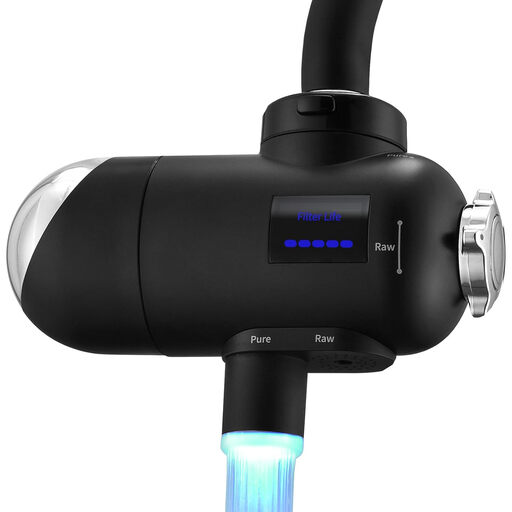
The HOMELODY faucet water filter combines filtration with modern technology. A standout feature is its battery-free LED indicator, which is powered by the water flow and displays the filter's status. With three different water flow modes (filtered, normal, shower), it offers versatile use in any kitchen water filter setup.
Advantages
Who is this model for? This system is suitable for renters and homeowners who appreciate the convenience of filtered water straight from the tap without wanting to perform a permanent installation. It is practical for quickly filling glasses of drinking water and for preparing food.
Why This Model Stands Out
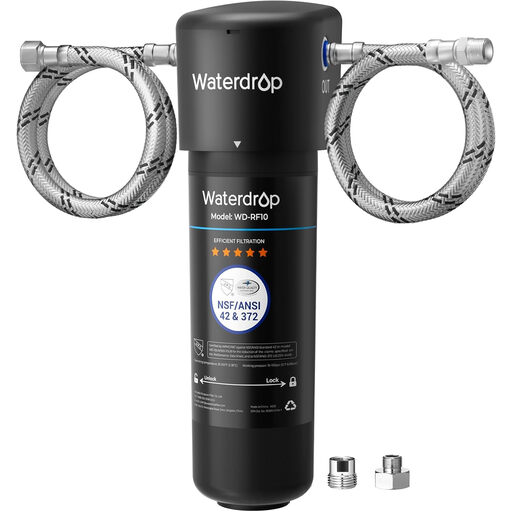
The Waterdrop 10UA is a high-performance under-sink water filter for long-term, discreet water filtration. Its high capacity of up to 30,000 litres allows for a service life of up to 12 months. The system is certified to NSF/ANSI 42, confirming the reduction of chlorine, taste, and odour. Installation is straightforward thanks to push-to-connect fittings.
Advantages
Who is this model for? This system is the right choice for homeowners and long-term renters seeking a high-performance, integrated solution with minimal maintenance. It reliably supplies the kitchen with a large volume of filtered water without taking up counter space.
The models featured here cover common use cases. However, if you are specifically looking for other solutions for your sink or want to compare different brands and capacities, you can find additional alternatives in our overview.
? Explore our selection of water filters for the sink here
Replacement intervals depend heavily on the filter type and your local water quality. For pitcher filters, the interval is often around 4 weeks or 120 litres. Faucet filters can last for several months (approx. 1,000–4,000 litres). Under-sink systems have the longest intervals, often 6 to 12 months or after several tens of thousands of litres. Always follow the manufacturer's recommendations.
Yes, models equipped with an ion exchanger are specifically designed to reduce limescale. They exchange the calcium and magnesium ions responsible for water hardness, thereby making the water softer. This not only protects household appliances but is also preferred by many for the taste of hot beverages like tea and coffee.
Tap water in Germany has a high, legally guaranteed quality. Using a drinking water filter is therefore primarily a decision based on personal comfort and taste. It can improve taste by reducing chlorine and enhance convenience by minimising limescale buildup in appliances. For households with old lead pipes, a certified filter that reduces lead can provide an additional layer of safety.