
Lieferung heute & morgen

Qualitätsgarantie
App herunterladen
Kategorien
The quality of tap water in Germany is subject to strict regulations and is generally excellent. Nevertheless, regional differences in water hardness, the presence of chlorine for disinfection, or aging pipework can affect the taste and composition of the water. A water filter is an engineered device designed to reduce specific substances from tap water. This guide analyses the operating principles and selection criteria for a suitable system for private use.
The decision for a water filter system should be based on an analysis of your own needs and the technical parameters of the available models. The following aspects should be considered.
Two of the most common systems for household use are water filter pitchers (also known as water filter jugs) and permanently installed faucet-mounted water filters.
The primary method of water treatment in household filters is based on two main components:
The lifespan of a filter cartridge is specified in litres or in a time interval (e.g., weeks or months). A longer maintenance interval reduces operating costs and maintenance effort. The actual service life depends heavily on the local water hardness and individual consumption. Models with a replacement indicator (manual or electronic) can help in adhering to the recommended intervals.
The materials used, especially those in direct contact with water, should be certified for food contact. A common specification is "BPA-free," which means the plastic was manufactured without Bisphenol A. Compliance with relevant EU standards for food-contact materials is an important hallmark of quality.
Based on the technical criteria mentioned above, we present a selection of products with different performance profiles.
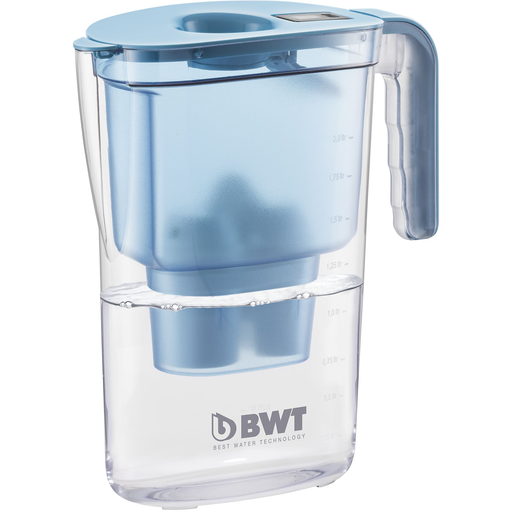
Why we recommend this product: This model combines standard filtration with a patented magnesium technology. According to the manufacturer, BWT, this process exchanges limescale-causing calcium for valuable magnesium, enriching the water and potentially raising the pH value slightly.
Advantages:
Who it's for: Users who not only want to filter their water but also wish to specifically influence its mineral content, especially for preparing tea and coffee.
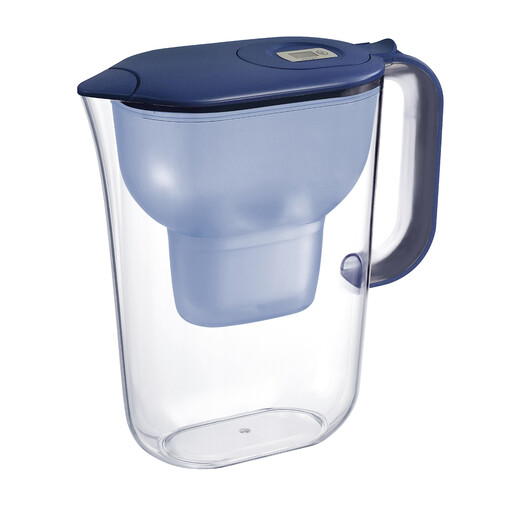
Why we recommend this product: The VIVREAL water filter pitcher stands out for its compatibility with common filter cartridges (Brita standard) and a programmable electronic timer. This offers flexibility in choosing replacement cartridges and supports precise maintenance.
Advantages:
Who it's for: Cost-conscious households that value flexibility in consumables and a precise reminder for filter changes.
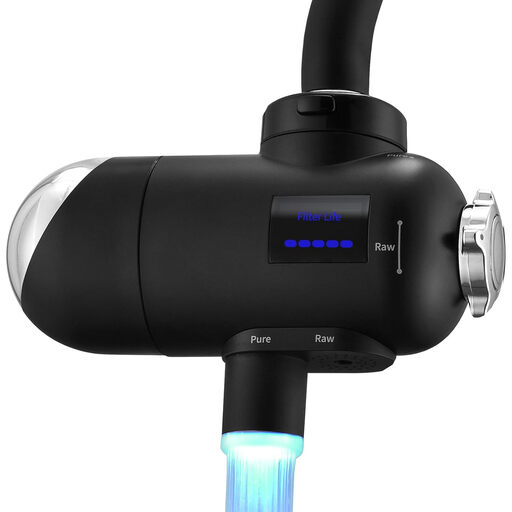
Why we recommend this product: This system offers direct filtration at the faucet and integrates innovative technical features. The power-free LED display, driven by the water flow, visualises the filter status and eliminates the need for batteries.
Advantages:
Who it's for: Users who want the convenience of filtered water straight from the tap and prefer a technical solution with a status indicator that requires no additional power.
The products presented cover common use cases. For more specific requirements or different form factors, a wider range of solutions exists. You can find an overview of other systems, from under-sink filters to specialty cartridges, in our Kitchen Filters category.
1. How often should you change a water filter? The replacement interval depends on the manufacturer, the filter type, and the local water quality. For water filter pitchers, the recommendation is often every 4 weeks or after 100–150 litres of throughput. Faucet-mounted filters often have a higher capacity of several hundred to a thousand litres, which can correspond to an interval of 3 to 6 months. Always follow the manufacturer's specifications.
2. What does a drinking water filter reduce in tap water? A typical household drinking water filter with activated carbon and ion exchange resin is designed to reduce substances that impair taste and odour, such as chlorine. It also reduces water hardness (limescale) and can lower the concentration of certain metals like lead and copper, which can leach into the water from household plumbing. It is not designed to disinfect microbiologically contaminated water.