
Lieferung heute & morgen

Qualitätsgarantie

Willkommens-Angebote freischalten: KOSTENLOSE Lieferung | Bis zu 80 % RABATT | Kostenlose 30-Tage-JoyPlus-Testphase
App herunterladen
When the temperatures rise, there's nothing more refreshing than a lively water fight. But the fun can quickly be spoiled when your newly purchased water toy breaks down after just a short time. Many buyers get frustrated with leaky tanks, brittle pump mechanisms, or a range that falls far short of the lofty promises on the packaging. Before you make a decision, it's helpful to know the most common pitfalls.
Two problems are particularly common:
To find a durable and suitable model, don't let yourself be dazzled by marketing terms. Instead, focus on three objective criteria that determine the quality and fun factor.
The longevity of a water gun depends directly on the material used. Look for products made from high-strength ABS plastic. This material is more impact-resistant and weatherproof than conventional, thin-walled plastic. For a water blaster for kids, it's also crucial that it's manufactured without sharp edges and with securely attached small parts to ensure safety. A good seal on the battery compartment of an electric water gun is essential to prevent short circuits and defects.
A large tank capacity promises longer fun without constant refilling. However, keep in mind that a full tank also significantly increases the toy's weight, which can be unwieldy for younger children. The refill mechanism is often more important than the sheer volume. A simple screw cap is robust but can be cumbersome in the heat of battle. Modern electric models, like some from Spyra, offer automatic suction functions that fill the tank in seconds—a clear advantage in any water battle.
The classic water gun operates with a manual pump mechanism. This is simple and proven, but it requires strength and often produces an uneven stream. A water blaster with pressure build-up, on the other hand, allows for a more powerful and consistent stream of water over a longer period. Electric water guns go a step further: at the touch of a button, they fire precise, individual "water bullets" or rapid volleys and offer consistent performance as long as the battery is charged.
Instead of presenting a confusing list, we have matched models based on typical user profiles.

Why This Fits Their Persona: Ideal for children who want to step into the role of firefighters. The backpack design distributes the weight of the 2-litre tank evenly and leaves their hands free for play. It encourages creative play rather than pure confrontation.
This model avoids the trap of poor durability with a robust construction from the German manufacturer Klein, known for quality-conscious toys. The simple pump mechanism is less prone to defects than complex systems.
Large 2-litre backpack tank for extended playtime. The nozzle is adjustable and can switch between a single stream and a spray function.

Why This Fits Their Persona: For teens and adults who want to take their water fights to the next level. The combination of long range, precise shots, and tactical game modes appeals to tech-savvy users who value performance and design.
The SpyraThree avoids the trap of exaggerated range claims by delivering a realistic and impressive range of up to 15 metres. The automatic refill feature also solves one of the biggest annoyances in intense water battles.
Automatic refill in under 10 seconds. Three different game modes and an LED display for tank and battery status allow for tactical gameplay.
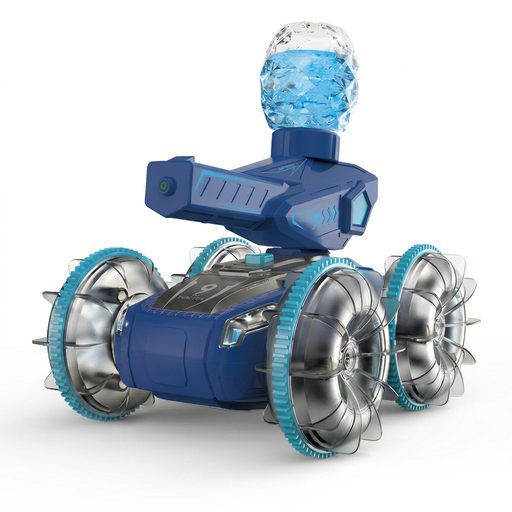
Why This Fits Their Persona: Perfect for anyone looking for more than just a water battle toy. This remote-controlled vehicle drives on land and floats in water, all while spraying water. It combines the thrill of an RC car with the function of a water blaster.
This product bypasses the typical weaknesses of a simple water gun by focusing on its multi-functionality. The robust, sealed body is designed for use on land and in water, reliably protecting the electronics.
Amphibious capabilities for use on grass, sand, and in the pool. Two control modes (classic remote and gesture control via a watch) provide varied fun.
We have compiled a complete, up-to-date list of products that fully meet these strict selection criteria and applicable safety regulations.
Manual water guns require muscle power to build pressure by pumping or to squirt water directly. They are generally simpler in design and more affordable. An electric water gun uses a battery-powered motor to draw in water and fire it at the push of a button. This allows for consistent firing power, higher precision, and often special features like volleys or automatic refilling.
To maximise its lifespan, you should completely empty the water gun with clean water after each use. This prevents the build-up of algae or limescale inside. Store the toy in a dry place, protected from direct sunlight, to prevent the material from fading and becoming brittle. For electric models, it is particularly important to keep the battery compartment dry.
Electric water guns are often designed for older children (e.g., ages 8 or 14 and up, depending on the model). They can be heavier and have a higher firing power. Always pay attention to the manufacturer's age recommendation. For younger children, manual models or lighter electric versions designed specifically for them are often the safer and more manageable choice. Adult supervision is advisable with any water toy.