
Lieferung heute & morgen

Qualitätsgarantie

Willkommens-Angebote freischalten: KOSTENLOSE Lieferung | Bis zu 80 % RABATT | Kostenlose 30-Tage-JoyPlus-Testphase
App herunterladen
Water toys for children should keep them entertained, be easy to use and suit the place where they’ll be played with. In practice, unclear age guidance, unsuitable dimensions or unrealistic expectations of swimming aids can often lead to disappointing purchases. If you’re buying for children aged 3 to 6, it’s worth checking a few technical details and safety warnings first.
A kickboard, bodyboard or inflatable pool float can help children get used to the water and enjoy playtime. However, it’s no substitute for an approved swimming aid or supervision by a responsible adult. Many products are explicitly labelled not a lifesaving device. This information should appear in the product description and on the packaging.
A large pool toy may look stable, but it needs more space and can be difficult to control in wind or waves. For a ride-on product, check not only the dimensions but also the maximum user weight, grab handles and intended type of water. For younger children, calm, shallow water is generally easier to supervise than deep or choppy water.
Vinyl and PVC toys can be damaged by sharp edges, direct heat, sand or improper storage. Check the seams, valves and surface before every use. After use in chlorinated or salt water, rinse the product with clean water. Let it dry completely before folding it away.
When choosing bath toys for children aged 3 and over, consider small parts, the child’s reach and the risk of swallowing them. Children can use a water ball in a shallow garden pool or at the beach, while a bodyboard needs more room to move around. Compact floating or pour-and-play toys are ideal for the bath; for outdoor water toys, stability and easy cleaning are more important.
The age recommendation is only a starting point. What matters is whether your child can hold, sit on or use the toy safely with guidance. Children must be supervised at all times: armbands or a pool float are never a substitute, even during a short play session.
A children’s kickboard should be sized so your child can control it. According to its product name, the Kids Foam Kickboard is 32.2 cm long and sold as a single training board in a random colour. Its compact size can be handy for short pool exercises; check the product information for details of its maximum load before buying.
Manufacturer guidance is particularly important for larger products. The INTEX Dolphin Ride-On measures approximately 175 × 65 cm, has two grab handles and, according to the description, is designed for a maximum user weight of 40 kg. The model is listed as suitable for children aged 3 and over, but only for use in shallow water under competent supervision.
Look for clear information about the material, such as EVA foam, vinyl or plastic. A CE marking indicates that the manufacturer declares the product meets the relevant EU requirements; it is not an independent quality mark. The product should also have safety warnings, manufacturer details and a recommended age range. With inflatable water toys, check the valves and welded seams, and look for a repair patch if one is included.
Easy cleaning matters for sand and water play. According to its product description, the GOWI Sand and Water Mill is made of plastic, measures 22 × 14 × 43 cm and is listed as suitable for children aged 12 months to 6 years. After play, remove any sand and water to prevent residue building up around the wheels or funnels.
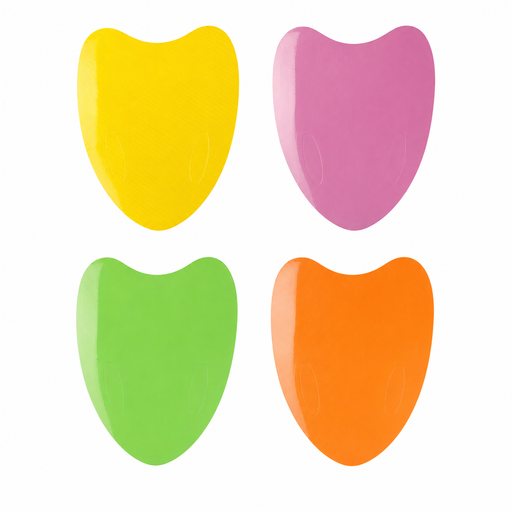
Why this product suits this profile: This compact foam board is a good choice for families looking for a simple training and play aid for supervised pool activities.
Its stated length of 32.2 cm makes it easier to choose than a product with only a general size description. However, it is not a lifesaving device and requires constant supervision.
Lightweight foam design; supplied as 1 piece; random colour variant according to the product name.
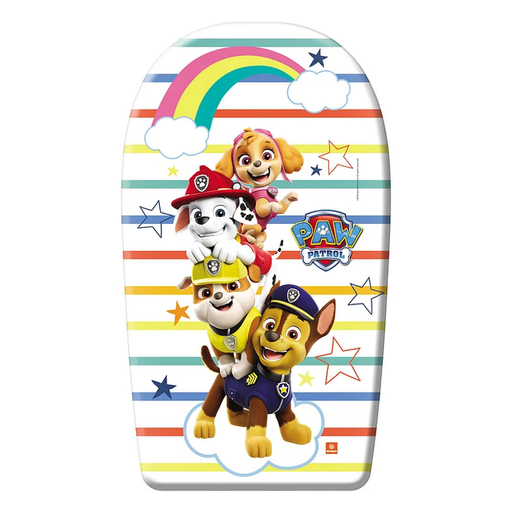
Why this product suits this profile: This 84 cm bodyboard is listed as suitable for children aged 3 and over, and is designed for supervised activities in shallow water at the pool or beach.
The product description clearly states the dimensions, material and recommended age. It also makes clear that the board offers no protection and should not be used in deep water or strong currents.
Lightweight foam; 84 × 46 × 4 cm; listed as suitable for children aged 3 and over.

Why this product suits this profile: The sand and water mill can be used in the garden, at the beach or in the bath, offering repeatable pouring and watching games.
It doesn’t rely on unrealistic expectations of being a swimming aid. Its wide, stable base and clearly stated suitability for water or fine sand make it easy to choose for different play settings.
Measures 22 × 14 × 43 cm; listed as suitable for ages 12 months to 6 years; includes a funnel, wheels and seesaw.
We’ve put together a complete, regularly updated list of products that meet these strict selection criteria and fully comply with the safety regulations in force in the EU.
It depends on where they’ll be playing and your child’s abilities. A sand and water mill, a children’s water ball or a small water sprayer are suitable for the bath or garden. A kickboard or bodyboard, on the other hand, requires adult supervision in shallow water. Compare the age recommendation, safety warnings and dimensions before buying.
There’s no reliable way to give a set lifespan. It depends on the material, how often the toy is used, UV exposure, water quality and storage. Rinsing it regularly, letting it dry completely and checking it before every use can help it last longer. Replace the product if the seams leak, the valves are damaged or there are visible cracks.
For non-electric products, the main costs are usually a hand or electric pump, if one isn’t included, and occasional repair materials. Garden water toys also need water. If you’re buying an inflatable pool float for children, remember to allow space for transporting and storing it too. The actual ongoing costs depend on the product and how often it’s used.