
Lieferung heute & morgen

Qualitätsgarantie

Willkommens-Angebote freischalten: KOSTENLOSE Lieferung | Bis zu 80 % RABATT | Kostenlose 30-Tage-JoyPlus-Testphase
App herunterladen
Water toys can keep children happily occupied in the pool, at the beach, in the bath or in the garden. For children aged around 3 to 6, it’s not just about colours and characters. Size, material, where the toy will be used and the level of supervision needed all determine whether it’s practical.
Many buying mistakes come down to three common marketing traps:
For water toys for children aged 3 and over, start by checking the age guidance. You should also check that the toy is suitable for your child’s height and weight. Inflatable ride-ons often have specific weight limits, which must not be exceeded.
An 84 cm children’s bodyboard may be easier for a pre-schooler to carry than a much larger model. However, that doesn’t automatically make it suitable as a swimming aid. A children’s kickboard is generally intended for play or supervised practice, not as a life-saving device.
Smooth surfaces that are easy to clean are practical for bath toys and pool toys. Check plastic and EVA foam products for cracks, breaks and sharp edges after every use.
For inflatable pool toys, pay particular attention to the following:
Small, lightweight toys without complicated set-ups are best for the bath. In the garden, water-and-sand toys, pouring games and children’s water pistols are versatile options. For the beach, consider how easy the toy is to carry, how much it weighs and whether it’s suitable for use in sand.
A beach ball is great for throwing and catching, while a bodyboard or ride-on needs more space and close supervision. Open water, such as lakes and the sea, can bring additional risks from currents, waves and areas where visibility is limited. Many products are intended for use only in shallow, calm water.
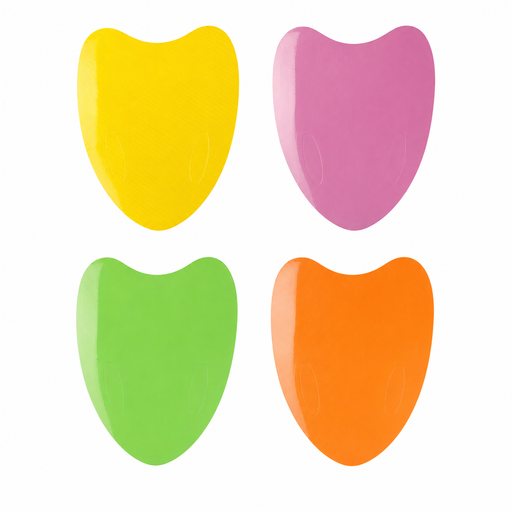
Why it suits this profile: Measuring 32.2 cm long, this compact foam board is easy to carry and can be used during supervised pool activities. The colour is selected at random.
Its manageable size makes it clear that this is a training and play board, not a life-saving aid. It should only be used under constant, competent supervision.
Lightweight, buoyant foam design; supplied as 1 piece.
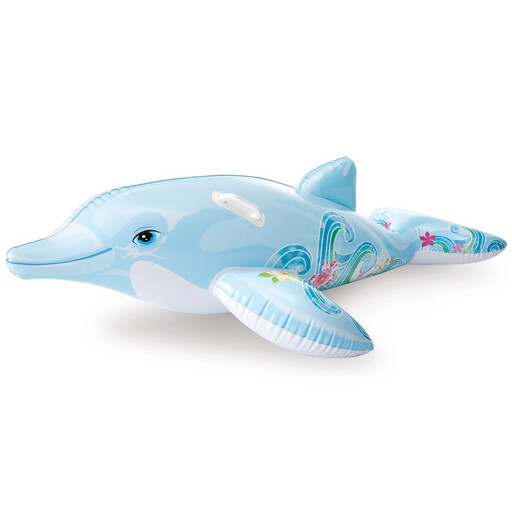
Why it suits this profile: According to the product information, this inflatable dolphin has two grab handles, a maximum user weight of 40 kg and is suitable for children aged 3 and over.
The stated weight limit and warnings help you make an informed choice. Even so, this ride-on is not a life-saving aid and should only be used in shallow water under supervision.
Approx. 175 × 65 cm; two grab handles and a repair patch included.

Why it suits this profile: This sand and water mill is suitable for the garden, beach, sandpit and bath. According to the product information, it’s recommended for children aged 12 months to 6 years.
This is a stationary pouring and water-play toy, not a product for use in the water. That makes it easy to keep play within a clearly defined area.
Measures 22 × 14 × 43 cm; wide base and easy-clean plastic.

Why it suits this profile: Designed for children aged 3 and over, this portable water sprayer is great for role play in the garden. The tank holds 2 litres and the nozzle has two spray settings.
It’s used out of the water, so there’s no suggestion that it’s a swimming or life-saving aid. Remember to keep an eye on small parts and supervise children at all times.
2-litre water tank; adjustable nozzle for a single jet or shower spray.
Whatever type of toy you choose, it’s no substitute for adult supervision around water. Children should never be left unattended in or near water. Ride-ons, kickboards and bodyboards should only be used in shallow, calm water where your child can stand securely.
Before each use, you should:
Age guidance is especially important for toys with small parts. For beach and summer toys, also check whether the material can withstand prolonged direct sunlight and whether the toy is practical to carry with your family’s luggage.
We’ve put together a comprehensive, regularly updated list of products that meet these strict selection criteria and fully comply with the safety regulations in force in the EU.
Depending on their stage of development, children aged 3 and over may enjoy simple beach balls, pouring games, water mills, kickboards used under supervision or water sprayers. Check the age guidance, your child’s size and where the toy will be used. No toy is a substitute for an approved swimming or life-saving aid.
How long it lasts depends on the material, how it’s used and how it’s stored. Frequent exposure to sand, sharp edges and heat, or inflating it incorrectly, can shorten its lifespan. Rinse the toy after every use, let it dry and store it somewhere dry and protected.
Many products, such as balls, kickboards, water mills and water pistols, don’t have ongoing energy costs. You may need a pump for inflatable pool toys. Other costs could include replacement parts, repair patches or water use. Check the product page for specific details.