
Lieferung heute & morgen

Qualitätsgarantie

Willkommens-Angebote freischalten: KOSTENLOSE Lieferung | Bis zu 80 % RABATT | Kostenlose 30-Tage-JoyPlus-Testphase
App herunterladen
Water toys for children should keep them entertained, suit their surroundings and be easy to clean. In practice, unclear age guidance, unsuitable settings and exaggerated safety claims often lead to disappointing purchases. For products intended for babies and toddlers in particular, remember: water toys never replace constant supervision by a responsible adult.
An inflatable animal or ride-on may be suitable for supervised play in shallow, calm water. However, it cannot reliably keep a child afloat and is not a lifesaving device. Even a brightly coloured design with handles does not make a pool toy a swimming aid for children.
If your child cannot yet swim confidently, follow the manufacturer’s guidance and use only suitable, tested swimming aids. A children’s water ball or bodyboard is primarily for play, not for safety.
‘From 3 months’, ‘from 3 years’ or ‘for children up to 6 years’ describes the intended age group, but doesn’t automatically mean the toy is suitable for every situation. You should also consider:
A toy designed for the bath may not be suitable for the beach. On the other hand, a large inflatable model may be difficult for a small child to handle.
The valves, seams and surface of an inflatable ride-on can be damaged by sharp edges, sand or strong sunlight. Before each use, check for tears, air leaks and damaged handles. After contact with chlorinated or salt water, rinse it with fresh water and let it dry completely before putting it away.
For babies and toddlers, choose bath toys that are as lightweight and easy to grip as possible, with no small parts that can be accessed. According to the product information, the Fisher-Price WaterMates Duck Ball is intended for children aged 3 months to 3 years. The instructions also say not to submerge it and to stop using it if it develops cracks or parts start to come loose.
For water toys for children aged 3 and over, such as reusable water capsules, check for small parts and possible slipping hazards. Always follow the age guidance, warnings and material information on the packaging in preference to general product descriptions.
Sand and water mills with wide bases and a manageable height are practical. According to the product description, the GOWI Sand and Water Mill measures 22 × 14 × 43 cm and is intended for children aged 12 months to 6 years. If you plan to use it in the garden or sandpit, make sure there’s enough room to add water and sand safely.
For a bodyboard or ride-on, consider the dimensions, weight and maximum load. The INTEX Blue Whale Ride-On is listed as measuring 168 × 140 cm when deflated, weighing 1,2 kg and having a stated maximum load of 40 kg. Check these figures against your child’s height and weight, as well as how they plan to use it.
Compact bath toys that can be wiped or rinsed all over are a good choice for the bath. For children’s beach toys, look for materials and designs that won’t trap sand in valves or moving parts.
After each use, you should:
For products intended for toddlers, you can also check the CE marking, manufacturer details, warnings and relevant toy safety requirements. However, a marking is no substitute for supervision.
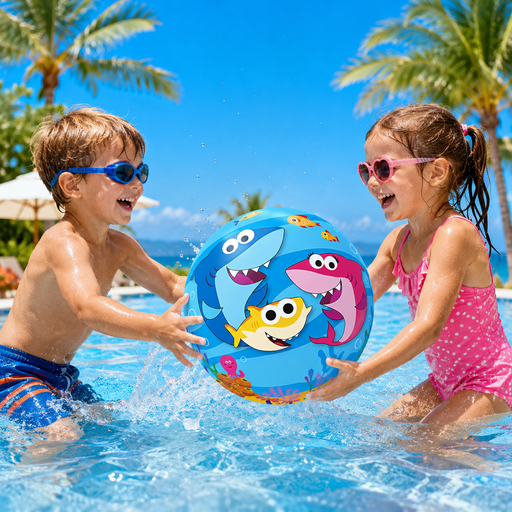
Why it suits this profile: This compact inflatable ball is easy to take along for pool and beach games, and takes up very little space when stored.
The product information clearly states that it must be used under constant adult supervision and is not a lifesaving device.
Inflatable design, 23 cm size and one item included.
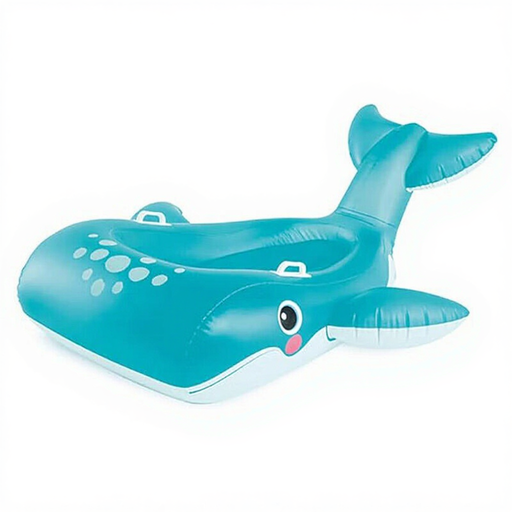
Why it suits this profile: A good option for families looking for a larger ride-on for supervised pool or beach activities, and who want to compare dimensions and load limit before buying.
The product information gives specific dimensions, a maximum weight of 40 kg, two handles and a repair patch.
Two side handles, a vinyl construction and easy transport when deflated.

Why it suits this profile: This sand and water mill is suitable for the garden, sandpit and bath, offering an alternative to toys designed just for water play.
Its sturdy construction and wide feet are designed to make it easy to add water or fine sand in a controlled way.
Measures 22 × 14 × 43 cm, made from plastic and intended for children aged 12 months to 6 years.
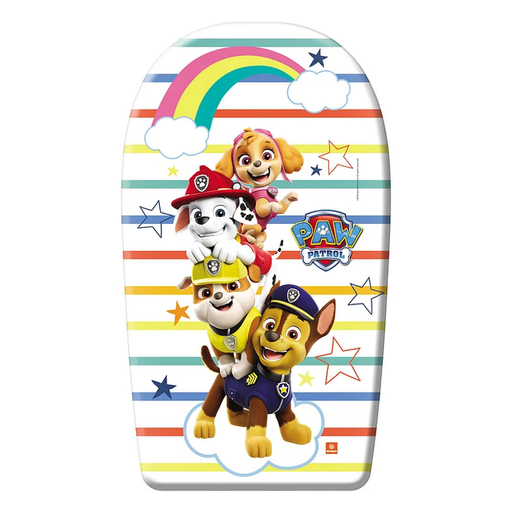
Why it suits this profile: According to the product information, this lightweight foam bodyboard is intended for children aged 3 and over and for supervised play in shallow water.
The product description explicitly states that the board is not a lifesaving device and specifies shallow water and adult supervision.
84 cm long, 46 cm wide and 4 cm thick, with a relatively low weight thanks to its foam construction.
We’ve put together a complete, regularly updated list of products that meet these strict selection criteria and the applicable EU safety regulations.
Lightweight bath toys that are easy to grip and have no small parts that can be accessed are suitable options for babies. The water should be shallow and comfortably warm. An adult must be able to watch and reach the baby at all times. Even toys described as waterproof should be cleaned according to the manufacturer’s instructions and checked for damage.
Their lifespan depends on the material, how they’re used, how they’re stored and how well they’re cared for. Chlorine, salt water, heat, sand and sharp objects can damage the surface and valves. There’s no set lifespan that applies to every product, so checking it before each use is essential. If it loses air, develops cracks or has damaged handles, stop using it.
Compact bath toys, water balls and sand mills generally don’t need any ongoing energy to use. Inflatable products may require a hand or electric pump. You may also need to pay for replacement parts or repair materials, or use extra water in the garden. When choosing a toy, consider not only the purchase price but also storage, cleaning and accessories.