
Lieferung heute & morgen

Qualitätsgarantie

Willkommens-Angebote freischalten: KOSTENLOSE Lieferung | Bis zu 80 % RABATT | Kostenlose 30-Tage-JoyPlus-Testphase
App herunterladen
A water bottle should stay leakproof in your rucksack, be easy to clean hygienically and suit your everyday routine. However, eye-catching colours, supposedly universal lids or large capacity figures do not automatically mean you have found the right choice. The technical details are what matter: the closure, material, cleaning requirements and intended use.
A leakproof water bottle is only practical for everyday use when the lid, seal and thread work together properly. A closure with a drinking opening may be convenient, but it needs an intact silicone seal and a functioning lock. You should therefore check:
For a bottle used at work, on train journeys or when cycling, these checks are more important than an especially unusual design.
Not every reusable water bottle is suitable for carbonated mineral water. If pressure builds up inside the sealed container, the closure must be designed to withstand it. A bottle that is explicitly intended for still drinks should not be filled with sparkling water.
Even with compatible models, the same rule applies: do not fill carbonated drinks right to the top and close the lid carefully. If you regularly want to make sparkling water yourself, you will also need a suitable sparkling water maker system and compatible bottles.
A BPA-free water bottle can be made from different types of plastic. The label initially tells you something about bisphenol A, not about scratch resistance, odour formation or whether it is suitable for the dishwasher. You should also check:
A 500 ml water bottle will often fit in smaller bags, rucksack compartments and drinks holders. It is suitable for short journeys, your desk or training sessions where there is an opportunity to refill.
A 700 ml water bottle reduces the number of times you need to refill it and is practical for longer commutes, trips or the workplace. However, it takes up more space and naturally weighs more when full. A 600 ml bottle can be a useful middle-ground option, for example for your daily commute.
Plastic models are generally lightweight and more resistant to knocks than glass. Tritan and comparable materials are often used for transparent sports bottles. Glass does not affect the taste of drinks, but it is heavier and more susceptible to damage from impacts. With sparkling water makers, the bottle must be precisely compatible with the relevant appliance.
Do not base your decision solely on the bottle material; the lid matters too. A high-quality bottle body is of little use if the closure is difficult to clean or the seal becomes porous after a short time.
A dishwasher-safe water bottle saves time, provided that all the relevant components are actually approved for dishwasher cleaning. With some models, for example, an elasticated band or the filter must not be put in the dishwasher. After washing, the bottle should be left open to dry. This allows any remaining moisture to escape.
Filter bottles have additional replacement intervals. Filter elements generally do not belong in the dishwasher and must be replaced according to the manufacturer’s instructions.
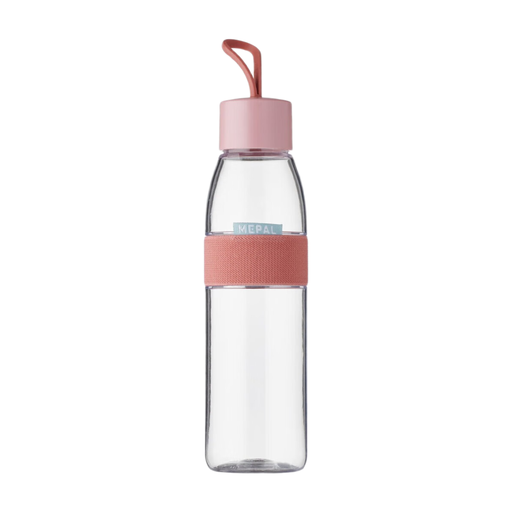
Why this product suits the profile: The compact 500 ml bottle is suitable for the office, short journeys and leisure activities. According to the product details, it weighs 110 g and has an attached carrying loop.
The product details state that it has a leakproof closure and is suitable for carbonated drinks. When filled with sparkling water, it must not be filled right to the top.
BPA-free material, dishwasher-safe without the elasticated band and a handy format.
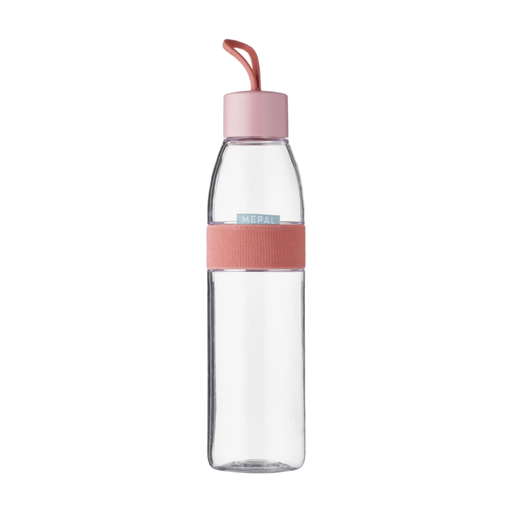
Why this product suits the profile: The larger capacity is suitable for long working days, commutes and sport when you want to refill less often.
The details state that it is BPA-free, leakproof and suitable for carbonated drinks. When filled with sparkling water, space must be left at the top.
700 ml capacity, 132 g weight, carrying loop and dishwasher cleaning without the elasticated band.
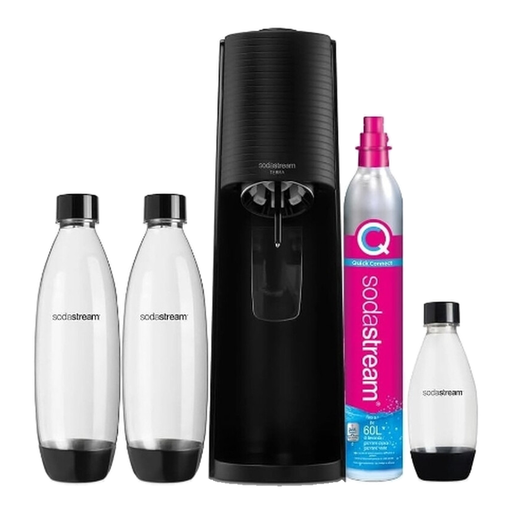
Why this product suits the profile: This set is aimed at households and frequent users who prepare carbonated drinks at home and need several reusable bottles.
The bottles are designed for use with the system and, according to the product details, are dishwasher-safe. For carbonation, only the designated bottles and Quick-Connect cylinders may be used.
Includes two 1-litre bottles, one 0.5-litre bottle and an appliance with a Quick-Connect system.
We have put together a complete, regularly updated list of products that fully meet these strict selection criteria and the safety regulations applicable in the EU.
Rinse your water bottle as soon as possible after use, especially after filling it with flavoured drinks. Check the following regularly:
A sports bottle should be checked to ensure the closure is secure before training. For carbonated drinks, follow the relevant filling and pressure instructions. Hot liquids should only be put inside if the product is explicitly approved for this purpose.
For the office, commuting and short journeys, 500 to 600 ml is generally a handy size. If you are out and about for longer or cannot refill your bottle often, you can choose a 700 ml water bottle. A secure lid, a suitable weight and easy cleaning are important.
No. Only use sparkling water in models whose product details explicitly permit this use. Do not fill the bottle right to the top and open it carefully, as pressure may build up inside.
There is no fixed replacement period for every material. Replace the bottle if cracks, severe scratches, deformation, persistent unpleasant odours or a damaged seal appear. With filter bottles, you must also observe the filter replacement intervals.