
Lieferung heute & morgen

Qualitätsgarantie

Willkommens-Angebote freischalten: KOSTENLOSE Lieferung | Bis zu 80 % RABATT | Kostenlose 30-Tage-JoyPlus-Testphase
App herunterladen
A fresh coat of paint can completely transform a room's atmosphere. But before you make the first brushstroke, you need to select the right tools. The final result largely depends on the quality and combination of your painting supplies. With so many options available, choosing the right painting set can be overwhelming. This guide will help you understand which components are essential for your project and showcases a selection of practical sets and tools.
To ensure your work is clean and efficient, consider a few basic criteria when selecting your painting tools.
The need for painting accessories varies by project. Are you planning to paint a single wall, or are you undertaking a complete renovation? A basic paint roller set typically includes a paint tray, a frame, and one or more rollers. For more extensive jobs, a complete renovation kit is a better choice, as it also includes various-sized brushes, protective coverings, and possibly tools like putty knives or stirring sticks. Check the contents carefully to ensure all the necessary tools for your project are included.
The quality of your tools has a direct impact on the final finish. For a paintbrush set, the bristles are crucial. Synthetic filaments are durable and well-suited for most modern water-based paints, ensuring a smooth application without bristle loss. For paint rollers, the pile height (or nap) of the roller is important:
Comfortable tools make any project easier. Look for ergonomically shaped handles on brushes and roller frames. Some frames offer a "click-in" feature for quick attachment to an extension pole—a useful feature when painting high walls or ceilings. Reusable paint trays with disposable liners can significantly reduce clean-up time after the job is done.
Based on functionality and application, we've selected a few products suitable for various painting projects.
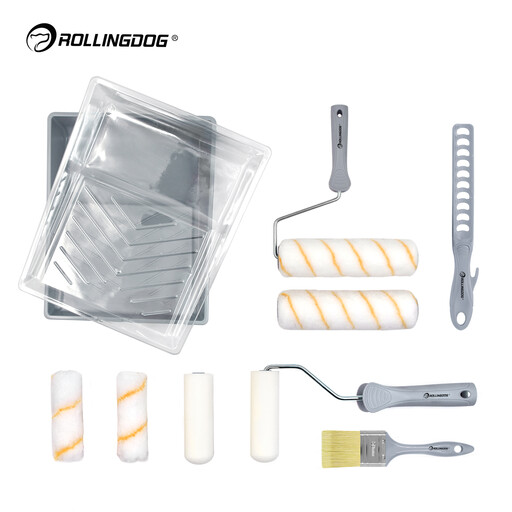
Why it stands out This 14-piece painting tool kit offers a comprehensive setup for most interior and exterior renovation projects. It combines tools for large areas with accessories for detail work, making it a practical all-in-one solution.
Advantages
Who is it for? This set is a great choice for DIY enthusiasts planning a complete room renovation who need a versatile and complete tool kit.
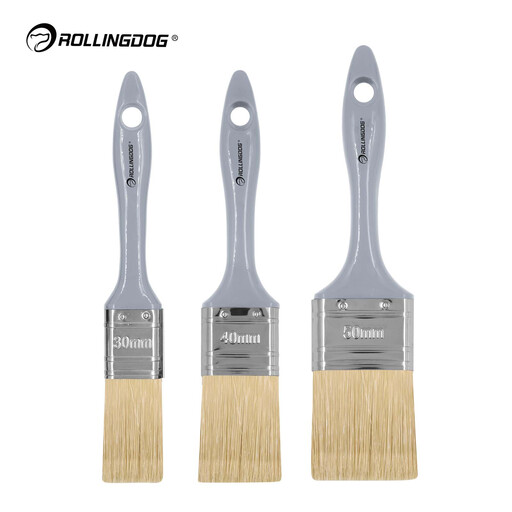
Why it stands out This paintbrush set focuses on the essentials: three high-quality brushes in the most common sizes for precision painting. The choice of materials aims for durability and a clean finish.
Advantages
Who is it for? Ideal for users who already own a paint roller and want to supplement their painting supplies with a set of quality brushes for corners, edges, window frames, or furniture.
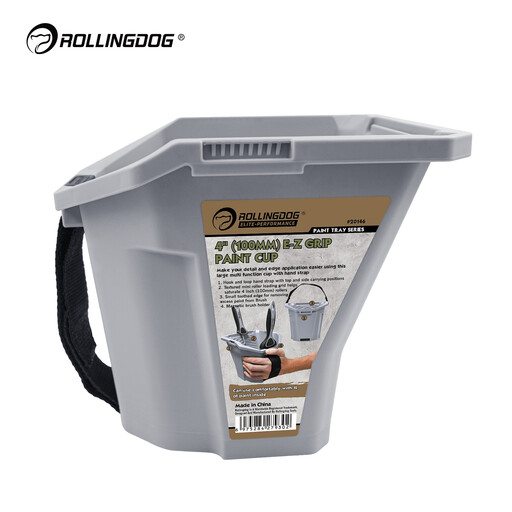
Why it stands out This tool is a smart solution for smaller painting jobs and touch-ups. It combines a paint container with practical features that make working on ladders or in tight spaces easier.
Advantages
Who is it for? This set is aimed at DIYers and professional painters who frequently perform detail work or touch-ups and are looking for a compact, efficient tool for small amounts of paint.
If our selection doesn't include the right set for your specific project, or if you're looking for special accessories, you can find a wider range of tools in our DIY Tools, Brushes & Rollers category. There, you can browse specifically for individual paint rollers, brushes, and other painting supplies.
1. What should a good painting set include? A functional painting set should contain the basic tools for a clean finish. This includes: a paint roller with a suitable cover, a paint tray, one or more paintbrushes for corners and edges, a drop cloth to protect furniture and floors, and painter's tape for clean edges.
2. How do I clean paint rollers and brushes properly? For water-based paints, wash the tools immediately after use under running, lukewarm water until the water runs clear. For solvent-based paints, use the brush cleaner or mineral spirits recommended by the manufacturer. Afterwards, reshape the brush bristles and let the tools dry completely, either lying flat or hanging, to maintain their shape and function.
3. Which paint roller is suitable for which wall? For smooth walls and fine surfaces, a short-pile roller (approx. 9–12 mm pile height) is suitable. For rough surfaces like wood-chip or textured plaster, a long-pile roller (approx. 18–22 mm pile height) is recommended, as it distributes paint better into the indentations. For very smooth surfaces being painted with varnish, a varnish roller made of foam is the right choice.