Which approach is right for you?

Watercolour artists who care about colour

You want to capture the paper’s whites and colours as consistently as possible across multiple shots. Even lighting and a controlled white balance are key; Canon UK and Nikon UK point out that the quality of daylight changes over time.

Portfolio creators

You need a detailed, straight-on shot of the whole sheet. Consider image size, lens and a stable setup together, rather than focusing on resolution alone.

Occasional documenters

You mainly photograph individual pieces for viewing on screen and want to check whether your existing equipment will do the job. ExpertPhotography says a smartphone may be sufficient for web formats.

What should you look for when buying?

Your existing smartphone

A good fit if: You only need to capture occasional studies for online use and can control exposure, focus and white balance well enough.

Worth considering: Check the photo at the size you actually need before buying an additional device.

Mirrorless camera with lens

A good fit if: You photograph regularly and want more control over file format, settings and framing.

Worth considering: The camera and lens need to work together; even a kit won’t replace even lighting or a stable setup.

Compact camera with manual settings

A good fit if: You’d prefer a standalone camera without an interchangeable lens system.

Worth considering: Check that you can control exposure, focus and white balance well enough on the specific model.

Priority What to check before buying Who is it important to?
Colour reproduction White balance and file format; aim for the most even lighting possible. RAW makes later adjustments easier, but doesn’t guarantee accurate colours. If I want to capture colours as consistently as possible in changing window light, I’ll check the white balance and lighting. Around 31% of consumers put colour reproduction first.
Detail and framing Compare the resolution of the specific model with the size you need, and check whether the lens and shooting distance can capture the whole sheet. For a larger image or a crop, I want to retain enough detail and get a straight-on shot. Around 25% of consumers prioritise preserving detail and framing.
Window-side setup Check whether you can position the camera and lens steadily and parallel to the paper in your room. If I’m photographing repeatedly, I need a position that I can set up securely in the available light and space. Around 25% of consumers prioritise a simple, stable setup.
Extra effort First, test your existing equipment at the size you intend to use. If buying a camera, check what’s included in the kit and whether the lens is compatible. I want to document individual pieces without unnecessarily investing in a new system. Around 19% of consumers prioritise keeping extra effort to a minimum.

Common misconceptions

  • More megapixels automatically mean more accurate colours

    Resolution doesn’t tell you how a camera will reproduce the colours of a watercolour in the window light you’re using. White balance and changing light conditions also affect the photo.

    Compare test shots in your actual window light and check the white balance and your workflow before focusing on resolution.

  • The camera body alone is enough to compare

    Lens mounts and kit contents vary. For example, the Z50II kit described by Nikon doesn’t include a charger.

    Before buying, read the full model and kit name, check which lens is included and make sure the package contents meet your needs.

Key camera brands at a glance

Canon

The EOS R50 with RF-S 18–45 mm is one possible APS-C mirrorless camera and lens combination for controlled shots.

  • Canon lists 24.2 MP and an RF mount for the EOS R50.
  • EF and EF-S lenses require the appropriate adapter; EF-M lenses aren’t compatible. These details don’t guarantee any particular colour reproduction for watercolours.

Nikon

The Z50II kit with the NIKKOR Z DX 16–50 mm VR pairs a mirrorless camera with a standard zoom lens.

  • Nikon sells the camera and lens together as a kit.
  • Nikon says the kit doesn’t include a charger. Image stabilisation is no substitute for correct alignment or controlling the light when reproducing artwork.

Sony

The α6400 is an APS-C camera with an E-mount for buyers looking for an interchangeable lens system and RAW files.

  • Sony lists 24.2 effective MP and RAW shooting for the ILCE-6400.
  • These details refer to the camera body; check the exact version in the specific offer and whether a lens is included.

Fujifilm

The X-S20 is an APS-C mirrorless camera for buyers who want to edit image files and choose a suitable lens.

  • Fujifilm lists 26.1 MP and includes RAW files in its technical specifications.
  • These technical specifications don’t demonstrate an independently measured advantage for reproducing watercolours.

Camera options at Joybuy

This selection of Joybuy products includes cameras for documenting watercolour studies, from models with zoom lenses to compact and gimbal cameras. For each version, check that its features and included accessories suit your shooting distance and intended output.

Sony Alpha 6100 APS-C camera with 16–50 mm power zoom lens

Sony Alpha 6100 APS-C with 16–50 mm power zoom lens

This zoom lens combination may be worth considering if you want to adjust the framing. If you plan to edit your photos, check whether the specific version supports RAW.

View at Joybuy

Komery W6 digital camera with 12x optical zoom

Komery W6 digital camera with 12x optical zoom

The optical zoom mentioned in the product title lets you adjust the framing. Try it with your watercolour to see whether you can get the shot you want without angling the camera.

The product title also mentions 4K and 64 MP; these details alone don’t guarantee colour reproduction or the level of detail you’ll get from your artwork.

View at Joybuy
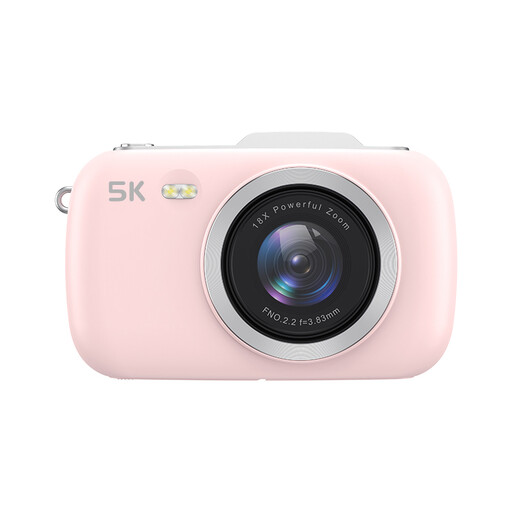
KOMERY G7 5K digital camera with 18x zoom

KOMERY G7 5K digital camera with 18x zoom

The product title lists 18x zoom and 80 MP photos. If you’re considering this camera for reproducing a watercolour, test it with your own artwork; these figures alone don’t guarantee colour accuracy.

View at Joybuy
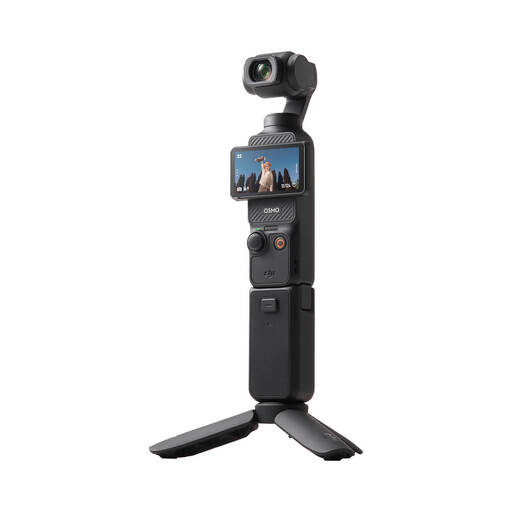
DJI Osmo Pocket 3 Creator Kit with gimbal camera

DJI Osmo Pocket 3 Creator Kit

The Creator Kit is described as a compact gimbal camera. The product title mentions 4K/120fps and a 1-inch sensor; check whether this camera format and the kit contents are suitable for a stable shot with the camera parallel to your artwork.

View at Joybuy
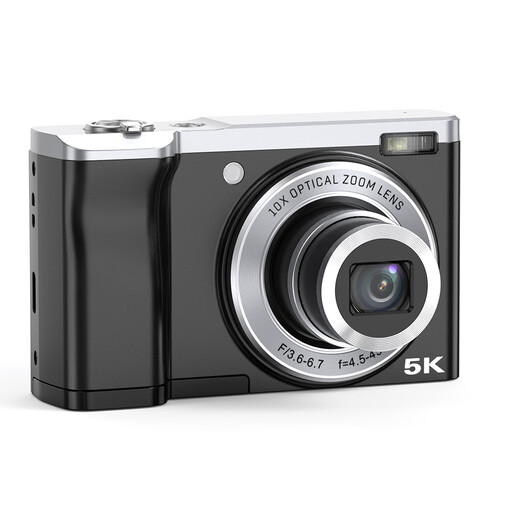
Songdian 5K digital camera with 10x optical zoom

Songdian 5K digital camera with 10x optical zoom

The product title lists 10x optical zoom. Compare the usable framing and camera angle with your artwork, rather than assuming the zoom figure alone makes it suitable for reproducing your work.

View at Joybuy

Frequently asked questions

Will my smartphone be good enough for my watercolour study?

A smartphone may be enough for documenting your work for online use. Check a photo at the size you actually need and make sure you can control exposure, focus and white balance well enough.

How should I position my camera in window light?

Position the camera as parallel to the paper as possible and make sure the whole artwork is evenly lit. In low light, a stable setup can make longer exposure times possible; check the white balance again if the daylight changes.

What should I check about accessories and servicing?

For a kit, check which lens and accessories are included; Nikon, for example, notes that the Z50II kit doesn’t come with a charger. Your statutory rights if a product is faulty are against the seller and are separate from any voluntary guarantee.

Can I return a camera bought online in Germany?

In general, you have the right to cancel a distance contract with a business, and the statutory period is 14 days. When the period starts and whether any exceptions apply depend on the contract and the legal requirements of the German Civil Code, particularly §§ 312g and 355.

Can I publish a photograph of my watercolour study?

This depends, among other things, on who owns the rights to the artwork and how you intend to use the photo. If it’s someone else’s work, check that you have the necessary rights before publishing it; § 16 of the German Copyright Act covers the right of reproduction.