
Lieferung heute & morgen

Qualitätsgarantie

Willkommens-Angebote freischalten: KOSTENLOSE Lieferung | Bis zu 80 % RABATT | Kostenlose 30-Tage-JoyPlus-Testphase
App herunterladen
The search for pure, great-tasting drinking water straight from the tap is leading many households to reverse osmosis technology. A Waterdrop reverse osmosis system promises to reduce contaminants like limescale, lead, and chlorine. However, the market is confusing and full of potential cost traps. Before you make a decision, it's crucial to understand the common pitfalls that can quickly turn a smart investment into a costly mistake.
As your Joybuy Product Recommendation Officer, I'm here to help you separate marketing promises from verifiable facts. This guide focuses on the objective criteria that truly matter.
Many well-intentioned purchases end in frustration. Pay close attention to these three points to avoid disappointment and unexpected costs:
To avoid these pitfalls, you should focus on three core technical aspects. These determine the performance, efficiency, and user-friendliness of your system.
The heart of any reverse osmosis system is the membrane. It filters particles down to 0.0001 microns and can thus reduce a wide range of substances, including being a water filter for limescale and lead, fluoride, chlorine, and heavy metals. However, don't rely solely on manufacturer claims. Independent certifications like NSF/ANSI 58 (confirms the reduction of total dissolved solids/TDS) and NSF/ANSI 372 (guarantees lead-free materials) provide objective confirmation of performance and safety. Some systems also offer the ability to remineralise the filtered water to produce alkaline water.
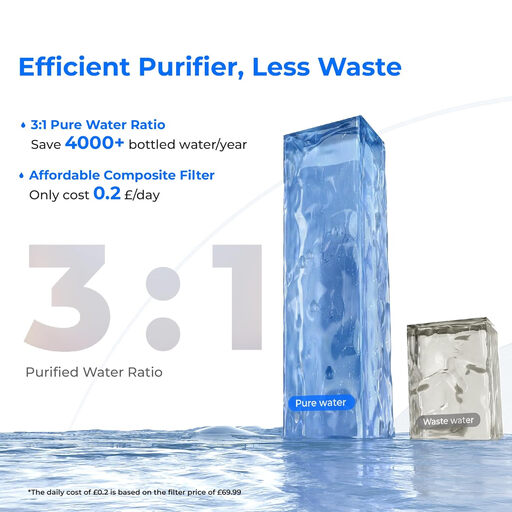
This ratio indicates how much pure drinking water is produced per litre of wastewater. A ratio of 2:1 means the system produces two litres of pure water from three litres of tap water, with one litre going to the drain. Modern systems like those from Waterdrop can even achieve ratios of 3:1, making them particularly water-efficient and environmentally friendly. This is a crucial factor for long-term operating costs.
The choice between an under-sink reverse osmosis system and a countertop water filter depends on your living situation and preferences.
Regardless of the design, easy filter changes are essential. Systems that allow you to change the Waterdrop filter without tools and in seconds significantly minimize maintenance effort.
Based on these objective criteria, we have identified several models that are particularly well-suited for specific user groups.
Why This Fits Their Persona: Ideal for anyone who can't or doesn't want to perform a permanent installation. The countertop design makes it perfect for rental apartments, offices, or even RVs. It requires no modifications to your plumbing and is ready to use out of the box.
This model completely bypasses the installation trap. No drilling or plumbing connections are needed, which avoids unexpected costs and the hassle of hiring a plumber.
Provides instant hot and cold filtered water with 6 temperature settings. The 3:1 pure-to-drain ratio is also highly water-efficient.
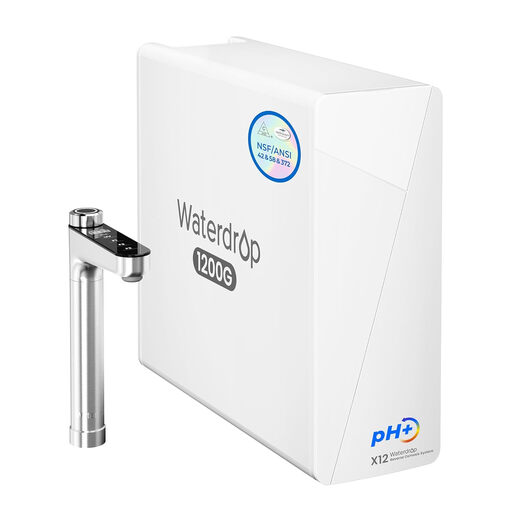
Why This Fits Their Persona: For families and homeowners seeking a high-performance, permanent solution. The high flow rate ensures there is always enough pure water available, even during peak demand for cooking and drinking.
With a 1200 GPD flow rate and a 3:1 ratio, it sidesteps the trap of slow water delivery and water waste. The RO membrane has a lifespan of 24 months, making long-term costs predictable.
Offers 11-stage filtration including UV sterilisation and alkaline remineralisation. The smart faucet displays real-time TDS levels and filter life.
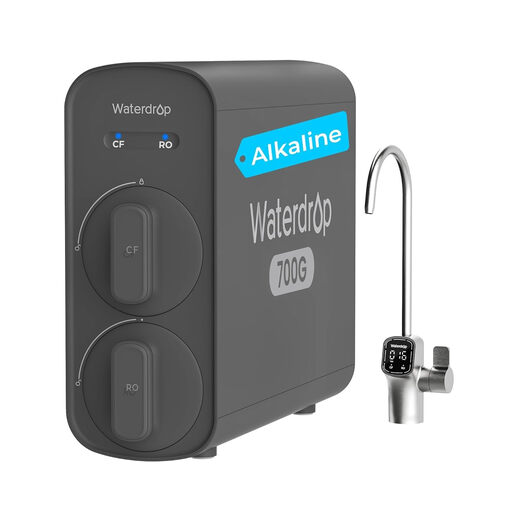
Why This Fits Their Persona: For users who want more than just pure filtration. This system specifically enriches the water with minerals like calcium and magnesium to raise the pH level and improve taste.
It addresses the concern of "dead," demineralised water. Instead of just filtering, it actively enhances the water. The efficient 2:1 ratio and NSF/ANSI 372 certification ensure safety and efficiency.
The 8-stage filtration with targeted alkaline mineralisation (PH+) is the central benefit. The compact, tankless under-sink design also saves up to 70% of space under the sink.
We have compiled a complete, up-to-date list of products that fully meet these strict selection criteria and safety regulations.
The replacement intervals vary depending on the filter type and your local water consumption. Typically, pre-filters (CF/CB) have a lifespan of 6 to 12 months. The central RO membrane, the heart of the system, often lasts up to 24 months. Many Waterdrop systems feature a smart indicator on the faucet or the unit itself that reminds you in time to change the Waterdrop filter.
Modern under-sink systems from Waterdrop are designed for DIY installation. The instructions are detailed and often supplemented with videos. Basic DIY skills, such as drilling a hole for the faucet and connecting hoses, are required. If you are unsure, hiring a plumber can be a worthwhile option.
A 2:1 ratio means the system produces two litres of purified water for every one litre of wastewater that is sent to the drain. This is a very efficient rating. Older or simpler systems often have a 1:3 ratio, meaning they waste three litres of water to produce one litre of drinking water. A good ratio not only protects the environment but also your wallet.