Making drinks for a group
If you’re making several drinks for a meal with friends or family, compare the usable capacity and how many batches you’ll need to blend.


If you’re making several glasses for a meal with friends or family, a jug blender is usually the better choice, provided its usable capacity suits the amount of drink you plan to make. A compact blender with a drinking cup is better suited to single portions and smaller kitchens. An ice function and special cleaning programmes matter most if you’re actually going to use them.
If you’re making several drinks for a meal with friends or family, compare the usable capacity and how many batches you’ll need to blend.
If you want to add ice cubes straight to your drink, look for a clearly stated ice function rather than relying on a high wattage alone.
A small blender with a drinking cup could be a good fit if you make single drinks and don’t mind blending several batches for a larger group.
First, compare how much you can actually blend in one go. Then decide whether processing ice, easy cleaning or a compact design matters most for your everyday use.
| What matters when buying | What to check | Who will value this most? |
|---|---|---|
| Amount of drink per batch | Working or usable capacity and fill markings; don’t assume the jug’s stated capacity is the same as its usable capacity. | If I want to serve several glasses with a meal, the amount I can actually make in one go matters most. That’s why around 39% of consumers put capacity first. |
| Cleaning up after a meal | Check which parts of the exact model are removable and dishwasher-safe. | After a meal, I want to clean the container, lid and blades as easily as possible. That’s why around 23% of consumers prioritise easy cleaning. |
| Blending ice | Look for a clearly stated ice function and check the appliance instructions. | If I want to add ice cubes straight to my drink, a function designed for this matters more to me than a high wattage. Around 23% of consumers prioritise the ability to blend ice. |
| Compact design | Check the cup capacity and appliance dimensions; see whether the blending cup can also be used as a drinking cup. | If I have limited worktop space, I’d rather have a smaller appliance for single drinks, even if making several glasses means blending extra batches. Around 15% of consumers prioritise a compact design. |
The usable capacity may differ from the jug’s overall size. For example, Braun lists a working capacity of 1,25 l for the JB1000WH; Tefal’s BL871D has different stated figures for usable capacity.
Compare the maximum fill mark or the instructions for the exact model with the amount you want to make.
The cups listed for the Bosch MMB2111S and WMF Kult X Mix & Go each hold 0,6 l. You may need to blend extra batches to make several glasses.
Choose a small cup if single drinks and limited space are your priorities. Otherwise, compare jug models by their stated usable capacity.
An ice function listed by the manufacturer doesn’t tell you how finely a particular watermelon and ice recipe will blend. It isn’t automatically necessary if you’re using chilled watermelon without ice cubes.
Consider this function if you want to blend ice cubes directly into your drink, and follow the instructions for the appliance you choose.
The German Federal Institute for Risk Assessment notes that pathogens can multiply on the flesh of the fruit in favourable temperatures.
Prepare the watermelon hygienically and eat it promptly, or chill it as soon as possible.
The PowerBlend 1 JB1000WH is a jug blender for drinks. Braun Household Germany lists a working capacity of 1,25 l.
The PerfectMix+ BL871D31 is a jug blender with ice and cleaning programmes.
The VitaPower Serie 2 MMB2111S is a compact option with a blending and drinking cup.
WMF offers both compact blenders with drinking cups and jug models.
The black Moderna 585, code 00C058502AR0, is a jug blender.
This selection includes jug blenders for making several glasses and a portable blender with a drinking cup for single drinks.
 No image available
The blending jug is a good option if you want to make several drinks in one container.
Product details: 1.500-ml blending jug, 600-ml travel bottle and 300-ml chopper; two speeds, plus pulse and ice functions. The attachments are listed as dishwasher-safe.
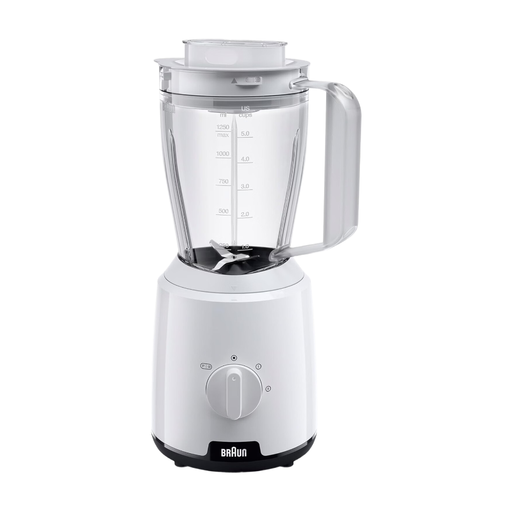 No image available
A jug blender for making several drinks; Braun lists a working capacity of 1,25 l for this model.
The product description lists 600 W, two speed settings, plus pulse and ice-crush functions. Braun says the parts can be disassembled and are dishwasher-safe. According to the description, the appliance should not run for more than two minutes at a time; let the motor cool down between cycles.
 No image available
The jug is designed for making larger quantities of drinks; check that its stated capacity suits the amount you plan to blend.
Product details: 1,5-l jug, three speed settings and an ice-crushing function. The description says the parts can be disassembled for cleaning.
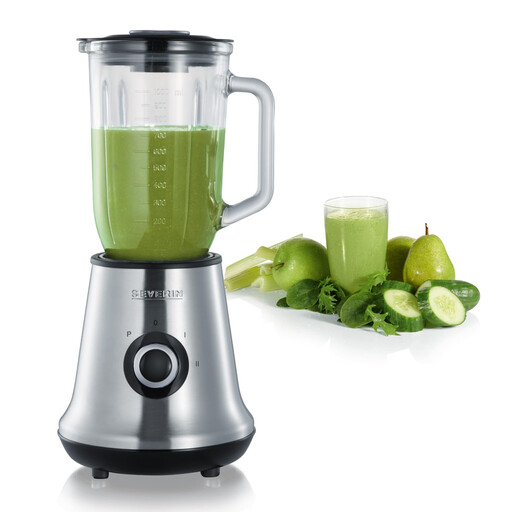 No image available
The 1,0-l glass jug provides a stated capacity for drinks; bear in mind that it needs to be washed by hand when planning your clean-up.
Product details: 500 W, two speed settings, pulse function and a refill opening with an integrated measuring cup. According to the description, the jug and lid are not dishwasher-safe and should be washed by hand.
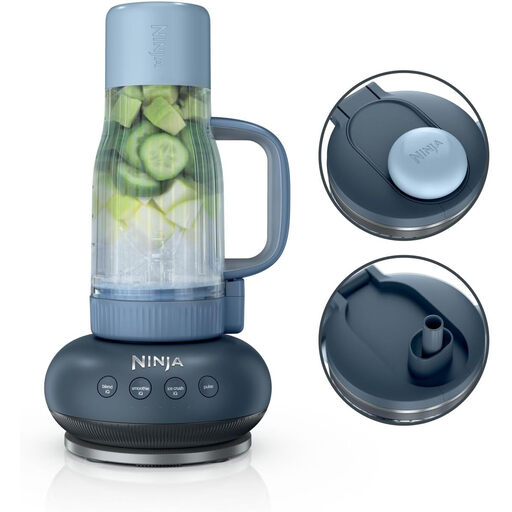 No image available
The portable blender with travel cup is better suited to single drinks; you’ll need to blend extra batches to make several glasses.
Product details: 710-ml travel cup, three automatic programmes, pulse function and ice-crushing function. The removable parts are described as dishwasher-safe.
Compare the permitted working or usable capacity with the amount of drink you plan to make, not just the jug’s overall capacity. Braun lists a working capacity of 1,25 l for the JB1000WH; check the differing figures for usable capacity for Tefal’s BL871D before buying.
The German Federal Institute for Risk Assessment recommends using clean hands, knives, chopping boards and work surfaces. Eat cut watermelon promptly or chill it as soon as possible. The BfR’s recommendation to prepare it around two hours in advance is specifically for retail and catering settings, and is not a general time limit for serving it at home.
Follow the instructions for the exact model and check which parts can actually go in the dishwasher. Braun lists the JB1000WH’s container, lid and blade parts as removable and dishwasher-safe; Tefal lists an Auto-Clean programme, removable blades and a dishwasher-safe glass jug for the BL871D.
In Germany, your statutory consumer rights are against the seller; a manufacturer’s guarantee is a separate, voluntary offer. The consumer advice centre recommends checking your statutory rights first if there’s a fault, as well as reviewing the relevant guarantee terms.
For online purchases made as a consumer, you generally have a 14-day right to cancel from the day you receive the goods. Whether an exception applies and what return conditions apply will depend on the sales contract; the consumer advice centre explains the general requirements.
EU rules on food contact materials apply to parts that come into contact with food. Mains-powered blenders within the scope of the EU Low Voltage Directive must also meet its safety and CE requirements; the directive covers electrical equipment rated between 50 and 1.000 V AC. EUR-Lex and the European Commission explain these areas of regulation. This information alone does not confirm that a specific listing or product meets the requirements.