
Lieferung heute & morgen

Qualitätsgarantie

Willkommens-Angebote freischalten: KOSTENLOSE Lieferung | Bis zu 80 % RABATT | Kostenlose 30-Tage-JoyPlus-Testphase
App herunterladen
An unexpected leak in a roof, gutter, or RV demands a fast and reliable solution. Butyl tape, a self-adhesive sealing tape, has established itself as an effective material for such repairs. It provides a durable, waterproof seal on a wide variety of surfaces.
This article serves as a guide. It explains the key features of waterproof butyl tape and presents a selection of products to help you make the right choice for your specific application—whether it's sealing a roof, repairing an RV, or weatherproofing a window.
To find the right repair tape for your project, several technical aspects are crucial. The following points will help you objectively compare the features of different products.
The core of butyl tape is butyl rubber, a synthetic rubber known for its high adhesive strength and elasticity. A key distinguishing feature is the surface coating. Aluminum butyl tape is laminated with an aluminum foil. This layer offers a crucial advantage: it protects the underlying adhesive from UV radiation and weathering, significantly extending the seal's lifespan outdoors. Other versions may have fleece or plastic surfaces, which are optimized for specific applications like plastering over or bonding EPDM membranes.
The tape's dimensions are important for the success of the repair.
A high-quality self-adhesive sealing tape should adhere to a wide range of materials. Check the product specifications for compatibility with surfaces like metal, glass, wood, concrete, PVC, and bitumen. A clean, dry, and grease-free surface is essential for a permanent bond. Also, pay attention to the manufacturer's specified temperature range for application. Applying it at temperatures that are too low can compromise the adhesive's initial tack.
Based on the criteria mentioned, we have compiled a selection of butyl tapes suitable for various sealing and repair jobs.
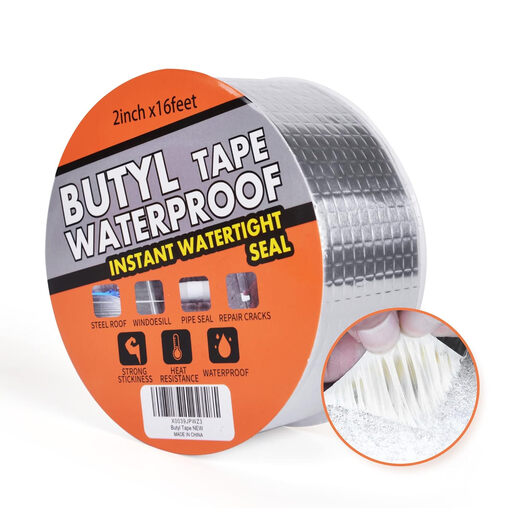
Why it stands out: This tape is a practical solution for quick, minor repairs. The aluminum foil surface ensures weather and UV resistance.
Pros:
Who is it for? Ideal for DIY enthusiasts and RV owners who need a quick fix for small leaks, such as sealing a pipe, weatherproofing window frames, or repairing minor cracks on a vehicle.
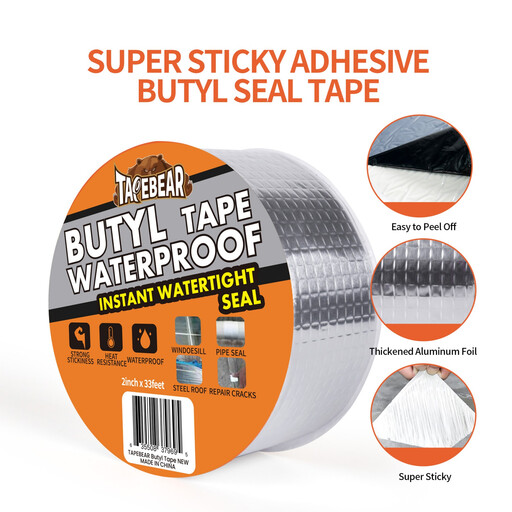
Why it stands out: With double the length of the previous model, this roll offers great value for medium-sized projects without needing to switch rolls. According to the manufacturer, the adhesion strengthens over time.
Pros:
Who is it for? A great choice for homeowners and professionals planning multiple or longer sealing jobs, such as on ventilation systems, several windows, or for roof maintenance.
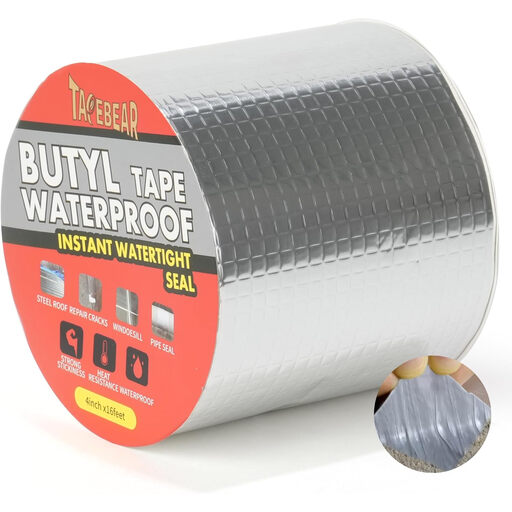
Why it stands out: The double width of 100 mm makes this tape particularly efficient for sealing larger areas and cracks. The reinforced backing film made of PET aluminum and fleece increases mechanical stability.
Pros:
Who is it for? Recommended for demanding repairs where a wide and exceptionally robust seal is required. This includes RV roof repair, refurbishing boat decks, or sealing HVAC systems.
If the products featured here don't exactly meet your needs, or if you require additional accessories for your project, you can find more solutions in our collection.
? Discover more products in the Display Blocks category here
1. How long does butyl tape last? The lifespan of butyl tape depends on the product's quality and the environmental conditions. A high-quality aluminum butyl tape is UV and weather-resistant due to its aluminum layer and can last for many years if applied correctly. The materials used in the featured products, such as pure butyl rubber and anti-aging films, are designed for a long service life.
2. Can you paint over butyl tape? Painting over butyl tape is possible under certain conditions. The aluminum surface of many tapes is smooth and non-absorbent, which makes paint adhesion difficult. A special primer for non-ferrous metals may be required. For tapes with a fleece surface, painting or plastering over is generally less problematic. Please refer to the manufacturer's specific instructions.
3. At what temperatures can you apply butyl tape? The ideal application temperature is typically between 5 °C and 45 °C. According to the manufacturers, some of the featured products can also be applied at temperatures as low as -15 °C. In cold weather, it can be helpful to slightly warm the tape and the surface to improve the initial tack. Application on wet or icy surfaces should be avoided.