
Lieferung heute & morgen

Qualitätsgarantie

Willkommens-Angebote freischalten: KOSTENLOSE Lieferung | Bis zu 80 % RABATT | Kostenlose 30-Tage-JoyPlus-Testphase
App herunterladen
An unexpected leak in a roof, window, or RV can quickly escalate into a major problem. In these situations, a fast, reliable, and durable solution is essential. Waterproof butyl tape is often the go-to choice for DIY enthusiasts and homeowners to effectively fix such damage. This article serves as a guide, presenting various options to help you select the right product for your specific repair project.
Selecting the right sealing tape depends on several factors. To make an informed decision, you should consider the following aspects.
The foundation of any high-performance butyl tape is butyl rubber. This material is known for its strong adhesive properties and waterproof characteristics. A high-quality self-adhesive sealing tape should feature a thick layer of pure butyl rubber. The backing film, often a reinforced aluminum foil, also plays a crucial role. An aluminum butyl tape offers additional protection against UV radiation and mechanical stress, which increases the longevity of the repair. Pay close attention to the description of its adhesive properties, especially its suitability for various surfaces like metal, wood, glass, or concrete.
Not every tape is suitable for every application. For a roof repair tape or to seal an RV roof, high UV resistance and a wide temperature tolerance are indispensable. The tape must withstand both summer heat and winter cold without becoming brittle or losing its adhesive strength. For other applications, such as sealing windows or sealing pipes, flexibility and the ability to conform to irregular shapes are more important. For boat repair, resistance to saltwater and permanent waterproofing are also critical criteria.
Before purchasing, check the dimensions of the tape. The width and length of the roll must be sufficient for your project. Also, follow the manufacturer's application instructions. A fundamental requirement for a successful application is a clean, dry, and grease-free surface. Pressing the tape down firmly after application is crucial to avoid air pockets and ensure complete adhesion. Some products require a 24-hour curing period, during which they must be protected from moisture.
Here is a selection of butyl tapes that are well-suited for various repair jobs due to their specific properties.
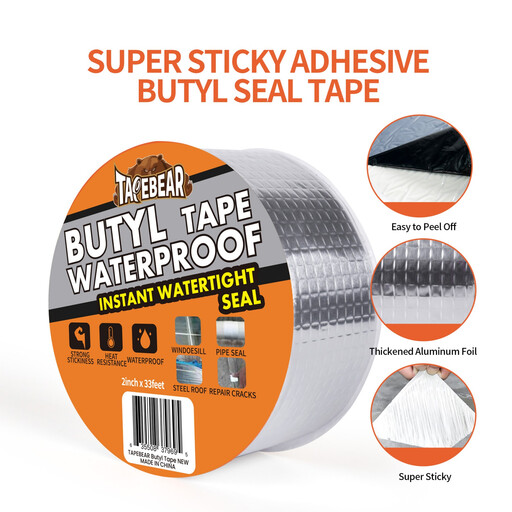
Why it stands out: This tape combines a toughness-enhanced aluminum foil as the base film with a thick layer of butyl rubber adhesive. According to the manufacturer, the adhesion strengthens over time, enabling a particularly long-lasting seal.
Pros:
Who it's for: This product is a great choice for users who need a larger amount of sealing tape for extensive projects, such as sealing roof surfaces, ventilation systems, or longer cracks.
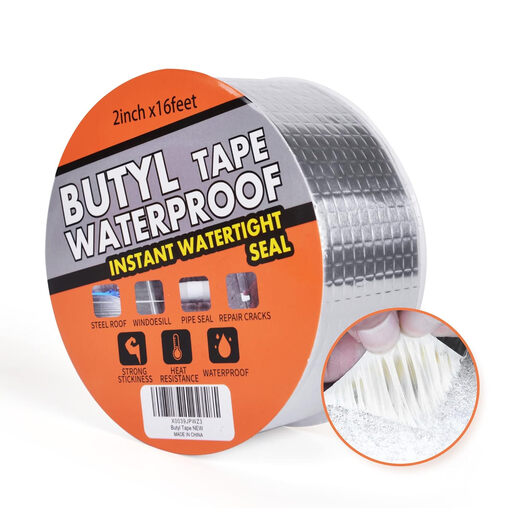
Why it stands out: This tape is distinguished by its construction of pure butyl rubber with an aluminum foil backing and a polyester reinforcement layer. It is odorless and designed for simple, tool-free installation.
Pros:
Who it's for: Ideal for quick repairs and DIY projects where straightforward application is a priority. It is well-suited for repairing a leaky gutter or for sealing jobs on RVs and windows.
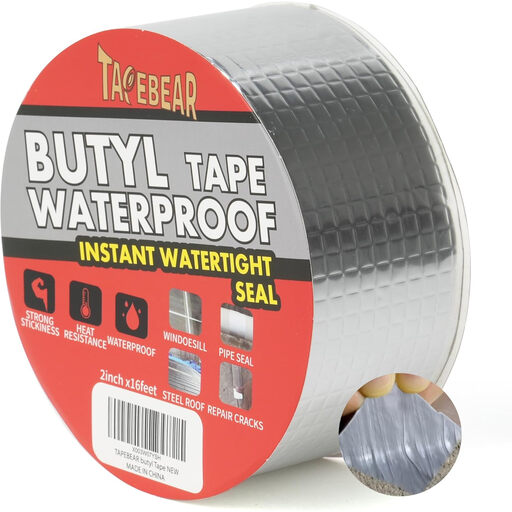
Why it stands out: This tape is designed for demanding conditions. It consists of pure butyl rubber reinforced with a PET aluminum foil, non-woven fabric, and a special anti-aging film. The manufacturer specifies an extreme temperature range of -40°C to 80°C.
Pros:
Who it's for: This product is aimed at users seeking a solution for challenging environments, such as for repairs on vehicles, roofs, or pipes exposed to extreme weather conditions.
While you're focusing on maintaining your home, you might have other projects in mind. If your next endeavor is of a more athletic nature and you're looking for suitable gear, you can find a selection of unusual sportswear here.
1. How long does a repair with butyl tape last? The durability of a repair made with butyl tape depends on the quality of the tape, correct application, and environmental conditions. High-quality butyl tapes with UV protection can last for several years when applied properly on a clean, dry surface. The material's resistance to aging is a crucial factor here.
2. What surfaces does butyl tape adhere to? Butyl tape is known for its versatility and adheres to a wide variety of surfaces. These typically include metal (aluminum, steel), glass, wood, concrete, brick, plastic (like PVC, EPDM, TPO), and bitumen. For optimal adhesion, the substrate must always be clean, dry, and free of dust, oil, or grease.