
Lieferung heute & morgen

Qualitätsgarantie

Willkommens-Angebote freischalten: KOSTENLOSE Lieferung | Bis zu 80 % RABATT | Kostenlose 30-Tage-JoyPlus-Testphase
App herunterladen
Wet paths, scree and long distances place very different demands on footwear than a stroll through the local park. When you’re looking to buy waterproof hiking boots, it’s not enough to rely on terms like “outdoor”, “robust” or “breathable”. What really counts are concrete details about the material, sole, closure and fit.
Three common buying mistakes often lead to the wrong choice:
An abrasion-resistant synthetic upper can offer practical advantages when brushing against scrub, scree and branches. Even more important is the connection between the upper, the inner lining and the tongue. When buying waterproof trekking shoes, you should therefore look for the following details:
A breathable lining can help with moisture exchange. However, it does not replace a suitable sock and does not automatically prevent sweat during high exertion.
For shoes intended for challenging terrain, the tread pattern and sole construction are central selection points. Deep, widely spaced lugs can provide better grip on soft ground. On wet rock, however, a balanced tread with sufficient contact area is more important.
Look for:
The label “outdoor shoes with a slip-resistant sole” should not be taken at face value. Without specific information about the material, tread and intended use, it’s hard to judge their actual suitability.
Higher hiking boots for men or women’s walking boots can enclose the ankle more firmly than low-cut walking shoes. This is useful on scree and uneven terrain, but can feel heavier and warmer on light day hikes.
Measure both feet in the afternoon wearing the hiking socks you intend to use. The longer foot is the one that counts. There should be a little space in front of your toes, while your heel should not lift noticeably when walking. For the PELLIOT models listed below, the size chart assigns foot lengths in millimetres to the respective EU, UK and US sizes. If you fall between two sizes, the product information recommends choosing the larger size for more room.
A hiking boot with a quick-lace system can make putting on and taking off easier. What’s still important, though, is whether the closure can be tightened evenly and stays securely in place when walking. Conventional laces, on the other hand, allow for more differentiated adjustment across the instep and forefoot.
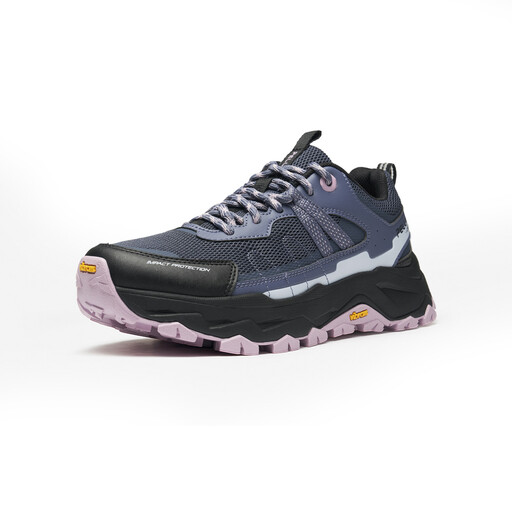
Why this product fits the profile: The lower hiking shoe shape is suitable for light walks, camping and paths that are paved to moderately uneven. Only limited technical details are available in the product data; therefore, buyers should pay particular attention to fit and weather protection before purchasing.
The recommendation avoids an unclear overvaluation: for demanding wet conditions or scree, the missing detailed information should be checked in advance.
Navy blue design with pink contrast accents; EU size 37 is listed as a specific variant.
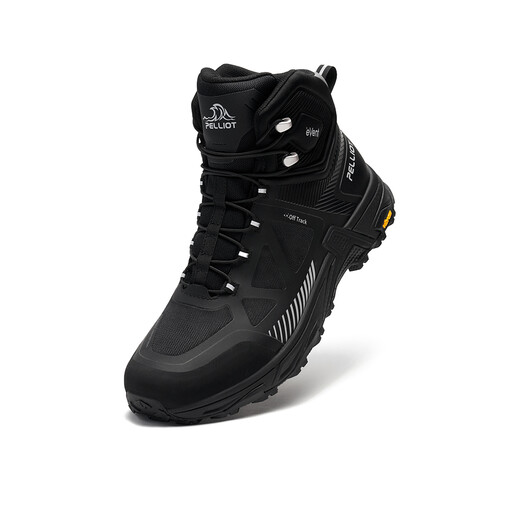
Why this product fits the profile: According to the product description, this model combines an abrasion-resistant synthetic upper, a waterproof and breathable membrane, toe protection and a profiled rubber sole. This makes it suitable for longer hikes and changing surfaces.
The description doesn’t just say “outdoor” – it names specific components: membrane, protective cap, abrasion-resistant upper and rubber tread.
One-hand quick-lace system with Fitgo adjustment and additional Nifco cord lock; sizes 39 to 45 according to the size chart.
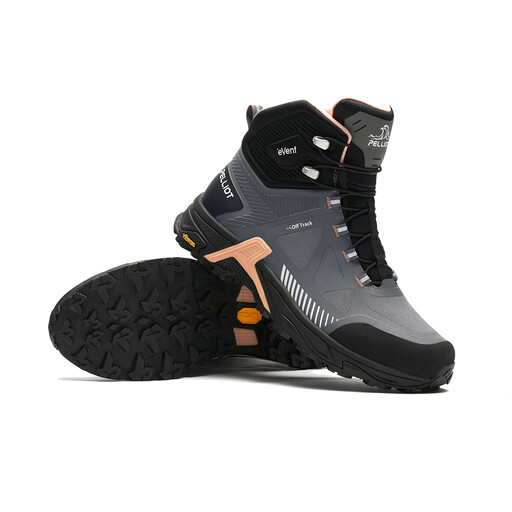
Why this product fits the profile: The high shaft, profiled rubber sole and described toe protection are aimed at users who regularly walk on uneven paths, go camping or face changeable weather.
The weather protection is described with a membrane, not just a coated surface. The fit of the high shaft should still be checked individually.
Waterproof membrane, abrasion-resistant synthetic material and high cut; available in EU sizes 35 to 39 according to the size chart.
We’ve put together a complete, regularly updated list of products that fully meet these strict selection criteria and the safety regulations in force in the EU.
Even robust trekking boots need looking after. Remove mud after your walk with a damp cloth and mild soap. Let the boots dry at room temperature and keep them away from direct heat. Washing machines and tumble dryers can damage the upper, adhesives and membrane.
The actual lifespan depends on usage, body weight, terrain, care and storage. Check regularly for tread wear, loose sole sections, cracks and reduced hold from the closure. If the tread is heavily worn, traction can be compromised regardless of whether the upper is still intact.
That depends on the inner lining, the membrane, the sock and the level of exertion. Breathable walking shoes can support moisture exchange, but they may still feel warmer than lightweight shoes without a waterproof membrane in high temperatures.
Your toes should not hit the front when walking downhill. At the same time, your heel should not slip noticeably. Measure your foot wearing hiking socks and bear in mind that feet can swell slightly on longer walks.
No. For paved paths and short walks, lower walking shoes can be sufficient. High-top models offer more material around the ankle and protection from scree, but they are often less lightweight. What matters is the terrain, your pack weight, the weather and your personal fit.