
Lieferung heute & morgen

Qualitätsgarantie

Willkommens-Angebote freischalten: KOSTENLOSE Lieferung | Bis zu 80 % RABATT | Kostenlose 30-Tage-JoyPlus-Testphase
App herunterladen
Choosing the right hiking boots can make or break your trip. The search for a truly "waterproof" pair, in particular, is often fraught with challenges. An ill-fitting boot not only causes discomfort but can also compromise your planned route. As your Joybuy Product Recommendation Officer, I'll help you identify the crucial features and avoid common purchasing pitfalls, ensuring your feet stay dry and protected even in unpredictable weather.
Many products advertise features that don't hold up in practice. Pay close attention to these three points to avoid a poor investment:
To avoid the pitfalls mentioned above, you should carefully examine three technical aspects before buying. These define the performance and durability of your men's outdoor shoes.
The heart of any waterproof boot is the membrane—a microporous layer integrated between the upper material and the lining. Its pores are too small for external water droplets to penetrate, yet large enough to allow water vapour (sweat) to escape from the inside. Look for product descriptions that explicitly mention a waterproof and breathable membrane. This is the critical difference compared to a simple water-repellent coating.
The sole is more than just a layer of rubber. A high-quality sole for hiking boots for rugged terrain consists of several components:
Even the most technically advanced boot is useless if it doesn't fit correctly. A good men's trekking boot should fit snugly in the heel area and give the toes enough room to move. Modern lacing systems, such as quick-lace mechanisms or locking hooks at the ankle, allow for precise and rapid adjustment to the foot's shape and prevent pressure points.
Based on the criteria above, we have identified products that are distinguished by their construction and technical features, making them suitable for specific performance profiles.
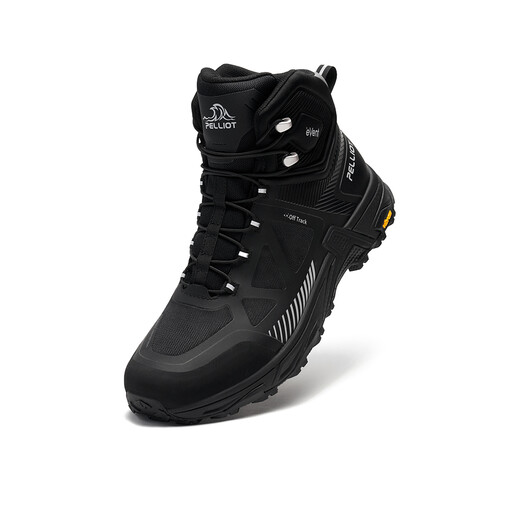
Why it's a match: This model is aimed at experienced hikers who need a rugged, all-terrain boot for demanding tours. The construction is designed for durability and protection in unpredictable terrain, from muddy trails to rocky ascents.
The product description specifies a breathable and waterproof membrane, which prevents the "plastic bag effect." The sole's specialised lug pattern is designed for superior grip on loose scree and wet rock, addressing the problem of low-quality soles.
The Fitgo Quick-Lace System allows for precise, one-handed adjustment. An abrasion-resistant toe cap provides additional protection in rocky terrain.
We have compiled a complete, up-to-date list of products that fully meet these strict selection criteria and German safety regulations.
The lifespan of the waterproofing depends on the quality of the membrane and its care. On high-quality boots, the membrane can last for several years. However, its function can be compromised by mechanical damage (e.g., from thorns or sharp rocks) or improper cleaning. Regularly re-applying a waterproofing treatment to the upper material is also important, as it maintains the water-beading effect and supports the membrane's breathability.
Remove coarse dirt after each tour with a brush and lukewarm water. Do not use aggressive cleaning agents or fabric softeners, as these can damage the membrane. Allow the boots to air dry slowly, but never on a radiator or in direct sunlight, as this can make the upper material brittle.
Not necessarily. While classic, crampon-compatible men's mountaineering boots are essential for high-alpine tours, modern and lighter rugged hiking boots often offer a better balance of stability, flexibility, and weight. For most hikes in Germany's low and high mountain ranges, such an all-terrain hiking boot is often the more comfortable and efficient choice.