
Lieferung heute & morgen

Qualitätsgarantie

Willkommens-Angebote freischalten: KOSTENLOSE Lieferung | Bis zu 80 % RABATT | Kostenlose 30-Tage-JoyPlus-Testphase
App herunterladen
By the Joybuy Product Recommendation Officer, August 30, 2026
Choosing the right hiking boot is crucial for any adventure, whether it's a day hike in the foothills or a multi-day trek in the Alps. A common frustration for many outdoor enthusiasts is buying boots advertised as "waterproof," only to have them leak after a short period. This not only leads to discomfort but can also compromise your safety on the trail.
Before you make a purchase, it's essential to recognise common marketing traps and design flaws that often only become apparent with real-world use.
To avoid these issues, focus on the fundamental technical features that define a truly functional and durable hiking boot.
Instead of being swayed by marketing promises, you should examine three core parameters. These determine whether a boot is suitable for demanding terrain.
The sole is your direct connection to the ground. A rugged mountain boot needs more than just a deep tread. Pay attention to the following details:
The combination of the upper material and the membrane determines both waterproofness and breathability.
A secure fit is essential. Alongside traditional lacing, there are innovative alternatives.
Based on these objective criteria, we have identified a few models that are particularly well-suited for specific user profiles.
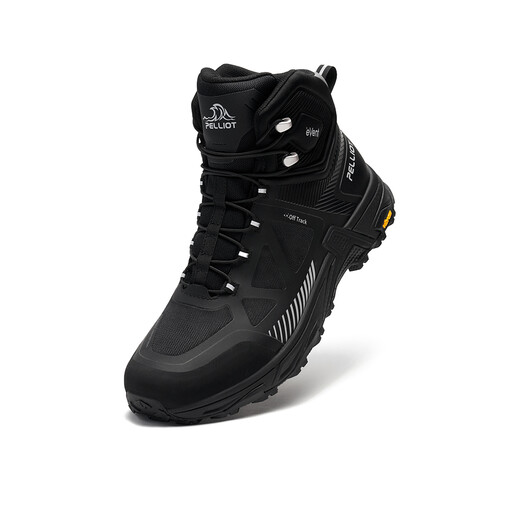
Why This Fits Their Persona: Ideal for hikers who regularly tackle demanding, technical terrain. The boot provides the necessary stability and protection for long tours with a heavy pack over scree fields or on muddy trails.
The sole, with its specialised lug profile, counters the "slip trap" and, according to the manufacturer, offers reliable grip on wet rock and loose ground. The integrated waterproof membrane ensures your feet stay dry.
The Fitgo quick-lacing system allows for precise, one-handed adjustment. The robust toe cap and abrasion-resistant upper protect both the foot and the boot.
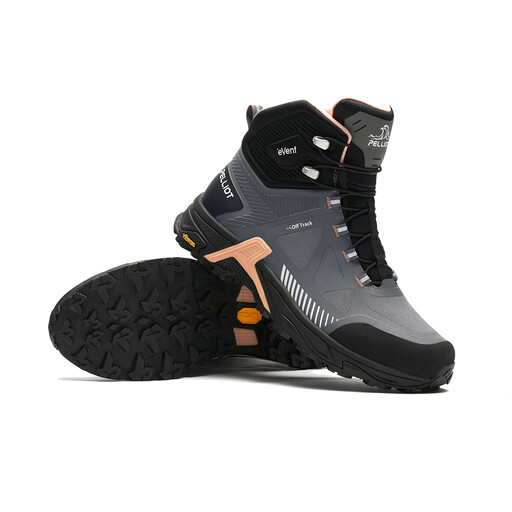
Why This Fits Their Persona: Designed for female mountaineers who prioritise maximum ankle protection and stability. The high-cut design supports the foot in rough terrain and protects against debris and moisture ingress.
The high-cut design, combined with the waterproof membrane, offers comprehensive protection from moisture that goes beyond material-level waterproofing. Its rugged construction prevents premature wear and tear.
Offers a combination of an aggressive sole profile for grip and a supportive high collar for stability. The quick-lacing system ensures a consistently secure fit without needing to be re-tightened.
However, the right gear doesn't stop at your feet. A well-fitting and sturdy backpack is just as crucial for distributing the weight of your equipment efficiently and reducing strain on your back.
Beyond the right footwear, choosing the right backpack is also critical. Discover our selection of models designed for durability and carrying comfort.
1. How long does the waterproof membrane in hiking boots last? The lifespan of a waterproof membrane heavily depends on the frequency of use and care. With regular, intensive use in demanding terrain, the membrane can lose its effectiveness after 1-3 years due to constant flexing and dirt penetration. Proper cleaning and correct storage can significantly extend its life.
2. Should you buy hiking boots one size larger? It is generally recommended to choose hiking boots about a half to a full size larger than your street shoes. Your feet swell during long hikes, and you need enough room in the toe box to prevent your toes from hitting the front on descents. It's best to try on boots in the afternoon while wearing the same hiking socks you'd use on the trail.
3. How do you properly care for waterproof hiking boots to maintain their function? After each hike, remove coarse dirt with a brush and lukewarm water. Take out the insoles to allow the boots to dry completely. Never dry your boots near a direct heat source like a radiator or stove, as this can damage the material (especially leather) and adhesives. Regularly treat the upper material with a suitable waterproofing spray to maintain the water-repellent effect and support the membrane's breathability.