
Lieferung heute & morgen

Qualitätsgarantie

Willkommens-Angebote freischalten: KOSTENLOSE Lieferung | Bis zu 80 % RABATT | Kostenlose 30-Tage-JoyPlus-Testphase
App herunterladen
If you’re looking to buy boots online, you’ll find a wide range for women, men and children. But fashionable women’s boots, sturdy men’s boots, warm children’s winter boots and practical work styles can vary considerably in their materials, fit and intended use. A good-looking product image alone won’t tell you whether a pair is suitable for rain, rough paths or long days at work.
When choosing waterproof boots, check how they keep water out: through seamless PVC construction, a coated surface or a waterproof membrane. Shaft height matters too. An ankle-high boot may keep out puddles, but it won’t necessarily protect you from deep mud or water getting in from above.
Be sure to check the care instructions as well. Leather boots need different care from wellies or PVC styles. Machine washing, direct heat from a radiator and harsh cleaning products can cause materials to warp or dry out.
A deep-tread sole can improve grip on muddy ground, but it won’t offer the same traction on every surface. When choosing slip-resistant boots, look for a clearly described tread, sole material and intended use. Claims such as “for all terrains” are hard to assess without specific details.
For work use, also check whether a style is labelled as safety footwear and which standards it actually meets. An ordinary work boot is not automatically a certified safety boot conforming to EN ISO 20345.
EU sizes can vary depending on the last, lining and manufacturer. Measure your foot while standing, then compare the result with the size chart for the product. Hiking boots should leave enough room for thicker socks and natural toe movement. For lined children’s winter boots, a little extra room is useful, but too much can affect the fit.
Flatter tread patterns are often enough for city streets. For gardening, farming and fishing, a pronounced tread and an easy-to-clean sole pattern are useful. Hiking boots should also have a supportive construction, toe protection and a secure, close-fitting lacing system.
A high shaft offers better protection from mud and splashes, but may feel less comfortable if you have larger calves or sit for long periods. A short boot is quicker to pull on and off, and suits gardening, walks and changeable weather. For work boots, also consider the weight, heel support and whether they can be worn comfortably with work socks.
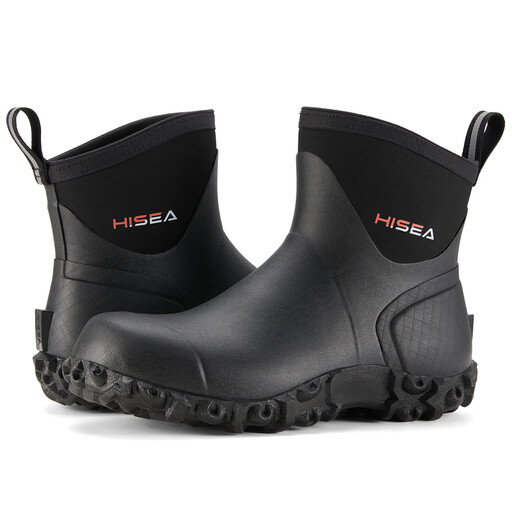
Why this product suits you: The ankle-high design is made for gardening, walks, hunting and damp outdoor conditions, and a pull tab makes it easy to put on and take off.
The product description specifies a waterproof neoprene inner boot, a rubber overlay and a clearly defined tread pattern.
20 cm shaft height, 2 mm H-Airmesh lining according to the product description, and a durable rubber sole with tread.
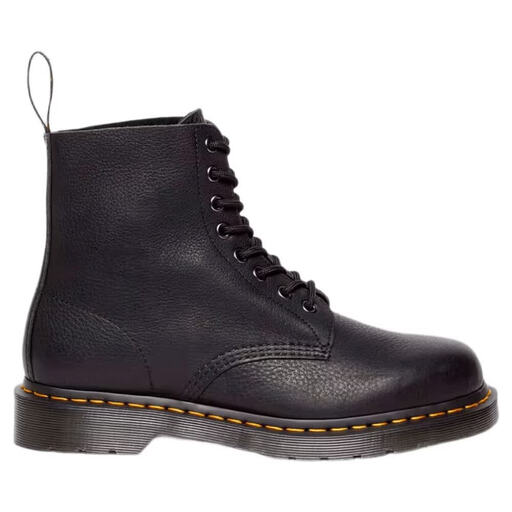
Why this product suits you: The classic 8-eyelet silhouette works for everyday wear and urban styling. This unisex style comes in versatile black, making it easy to pair with a range of outfits.
The description specifically identifies the upper as leather and recommends cleaning with a damp cloth and allowing the boots to dry naturally.
Soft Ambassador leather, yellow welt stitching and an air-cushioned PVC sole, according to the product details.
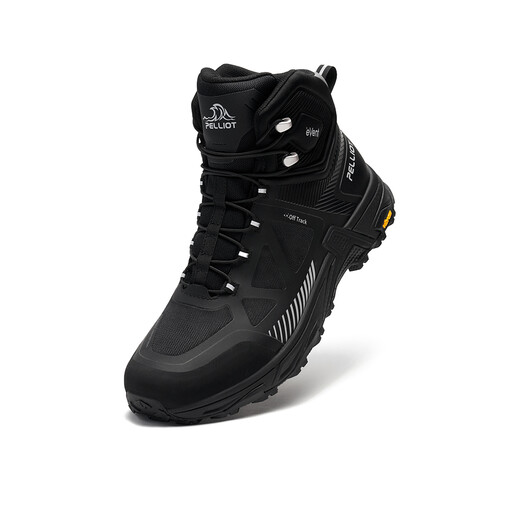
Why this product suits you: According to the product description, this style is designed for camping, trekking and more challenging routes with varied terrain.
Rather than making a vague claim about outdoor use, the description specifies a waterproof membrane, toe protection and a specialist tread pattern.
Abrasion-resistant synthetic upper, protective toe cap and rubber sole with pronounced lugs, according to the product description.
We’ve put together a complete, regularly updated list of products that meet these strict selection criteria and fully comply with the safety regulations in force in the EU.
Before wearing new boots for an extended period, try them on with the socks you intend to wear. This helps you spot pressure points early. Care for leather according to the manufacturer’s instructions. Clean PVC and rubber boots with water after use, then leave them to dry in a shaded, well-ventilated place. Direct heat from a radiator can cause them to warp or crack.
Regular size checks are important for children, as a well-fitting boot won’t “grow with them” for long. For platform boots, also make sure the sole height suits the way you walk; they’re not automatically designed for long distances or uneven paths.
For deep puddles and wet gardening jobs, seamless PVC or rubber styles with a sufficiently high shaft are a practical choice. For walks and hikes, a boot with a waterproof membrane, a treaded sole and good heel support may be a better fit. The key factors are the intended use and construction, not just the word “waterproof”.
Measure both feet towards the end of the day while standing. Compare the longer foot with the product-specific size chart. Allow extra room if you’ll wear thick socks or choose a lined style. If you’re between sizes, check the manufacturer’s guidance; simply ordering a size up or down isn’t a reliable approach.
Lifespan depends on the material, how often you wear them, how well you care for them and the surfaces you walk on. Leather can last a long time with regular care. Rubber and PVC are practical in wet conditions, but should be protected from heat and prolonged exposure to UV rays. For hiking and work boots, regularly check the tread for wear, along with the seams, heel support and waterproofing.