
Lieferung heute & morgen

Qualitätsgarantie

Willkommens-Angebote freischalten: KOSTENLOSE Lieferung | Bis zu 80 % RABATT | Kostenlose 30-Tage-JoyPlus-Testphase
App herunterladen
Wet paths, mud, scree and long ascents place high demands on outdoor shoes for men. A shoe that looks tough isn’t automatically suitable for every type of terrain. If you’re looking to buy waterproof hiking boots for men, you shouldn’t just focus on terms like “outdoor”, “all-terrain” or “waterproof” – you need to examine the construction, fit and care instructions too.
A waterproof membrane can reduce water ingress during rain, wet grass or shallow puddles. However, it doesn’t replace high gaiters and won’t protect indefinitely if water runs down into the shaft from above. The seams, tongue and transitions between the upper material and sole are also crucial.
So look for specific details about the waterproof membrane, the shaft height and the workmanship. If technical details are missing, the advertising claim shouldn’t be taken as a complete guarantee of dry feet in all conditions.
Slip-resistant hiking boots need more than deep lugs. The rubber compound, the arrangement of the tread blocks and the contact surface area are also important. On wet rock, a very chunky tread can behave differently than on loose soil or mud.
When choosing, consider the terrain you plan to tackle: forest paths, alpine scree trails, campsites and technical ascents all require different characteristics. A boot for occasional walks doesn’t need the same construction as robust trekking boots.
A quick-lace system can make putting on and taking off boots easier. What really matters, though, is whether the heel sits securely and the forefoot has enough room. A boot that’s too loose increases the risk of your foot sliding inside; one that’s too tight can cause pressure points on long descents.
Check the size against your foot length in millimetres, and when trying them on, wear the socks you’ll use on your hike.
With breathable hiking boots, the inner lining should be able to transport moisture away from your foot to the outside, while the membrane limits water coming in from outside. However, these properties are in practical conflict: in high humidity, heavy rain or during an intense ascent, heat and moisture can still build up inside the boot.
A waterproof upper only provides reliable protection if the boot is kept clean. Mud and dried-on deposits can impair the surface and the breathability. The PELLIOT hiking boots for men feature an abrasion-resistant synthetic upper, a waterproof and breathable membrane, and a rubber sole with a pronounced tread.
For hiking boots for camping and trekking, three points are relevant:
A stiff, stabilising construction can be useful with heavy luggage, but feels less flexible on flat paths. Lightweight outdoor shoes for men are better suited to shorter trips and moderate terrain, while higher hiking boots or waterproof walking boots for men can offer additional ankle protection.
According to the product information, the PELLIOT men’s models are selected based on foot length. For EU 43, 265 mm is specified, and for EU 44, 270 mm. If you’re between two sizes, the manufacturer recommends choosing the larger option. This recommendation doesn’t replace an individual fitting, as foot width, instep height and the socks you wear also play a role.
Before buying, you should:
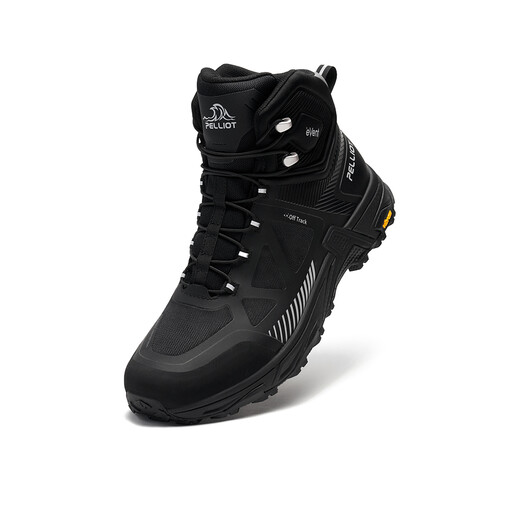
Why this product fits the profile: This men’s model in EU 44 is aimed at buyers looking for a versatile boot for camping, hiking and changeable terrain. The specified foot length is 270 mm.
The product details specify concrete materials, a waterproof membrane, a toe cap and an abrasion-resistant upper, rather than just generic outdoor terms.
A rubber sole with a specific tread pattern and a one-hand lacing system with a Nifco cord lock are specified.
Why this product fits the profile: The EU 43 variant is of interest to buyers whose measured foot length is 265 mm and who value detailed size information and protection for more demanding hikes.
The details describe not only the waterproofing, but also the lining, upper material, toe cap and sole construction. This makes objective comparison easier.
Abrasion-resistant synthetic material, protective toe cap and treaded sole are listed as concrete product features.
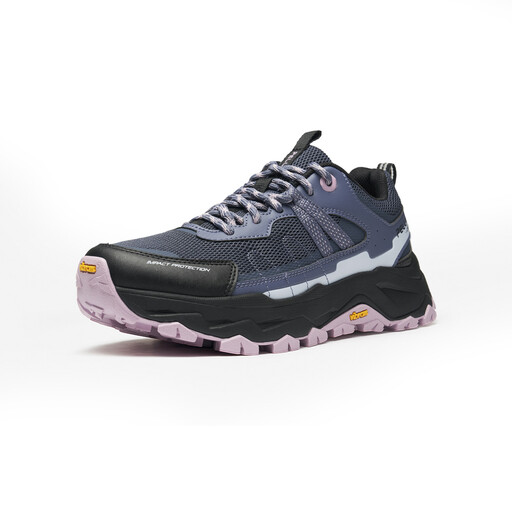
Why this product fits the profile: This variant is aimed at women looking for a suitable shoe for hiking and outdoor activities. The colour and size are stated in the product name.
Before buying, you should check the fit, sole tread and weather protection details on the product page, as the short description contains only limited information on these points.
A stated women’s size 39 and a lower hiking shoe construction may appeal to female users who prefer more flexibility than high boots offer.
We’ve put together a complete, regularly updated list of products that fully meet these strict selection criteria and the safety regulations in force in the EU.
The lifespan of waterproof hiking boots depends on usage, terrain, body weight, luggage and care. A fixed figure in months or kilometres wouldn’t be reliable without standardised usage conditions. Before every hike, check:
For the PELLIOT models mentioned, cleaning with a damp cloth and mild soap is recommended. The boots should be air-dried, not placed directly on radiators or other strong heat sources. Machine washing and tumble drying can damage the material, bonds and membrane.
That depends on the shaft, sole tread, fit and stability. For long hikes with a heavy rucksack or in technical terrain, a secure heel hold, adequate toe protection and a sole suited to the route are more important than the mere label “waterproof”. For demanding alpine routes, you should check the manufacturer’s specifications for the intended use.
There’s no blanket answer. Abrasion, frequent wetness, incorrect drying and creased materials can shorten the weather protection. Regular cleaning, gentle drying and checking the seams and sole help you spot problems early.
Both need to work together. The tread affects grip on soil, mud and scree; the material and sole construction affect flexibility, abrasion resistance and behaviour on wet ground. Decide based on your main terrain and planned use, rather than just comparing the number or depth of the lugs.