
Lieferung heute & morgen

Qualitätsgarantie

Willkommens-Angebote freischalten: KOSTENLOSE Lieferung | Bis zu 80 % RABATT | Kostenlose 30-Tage-JoyPlus-Testphase
App herunterladen
When searching for waterproof hiking boots for men, many shoppers first compare colour, price and brand promises. However, for a reliable purchasing decision, other details matter more: fit, sole tread, material construction and care instructions. A boot can be advertised as waterproof and still reach its limits on longer treks, with improper care, or with a poorly fitting closure.
A waterproof membrane reduces water ingress, but it does not replace proper care or functional socks. Wet meadows, rain and shallow stream crossings pose different demands than standing in water for extended periods. Always check whether the manufacturer provides specific details about the membrane, the shaft and the tongue.
Stitching quality is also important. Open or poorly protected seams between the sole and upper can become weak points under repeated stress. Additional water-repellent treatment can be useful, but it must be suitable for the specific material.
Hiking boots with good traction need a sufficiently deep and appropriately arranged tread pattern. Deep lugs can offer advantages on mud and loose ground, but feel harder on tarmac and may wear down more quickly. City paths, low mountain ranges and technical sections therefore each have different requirements.
Also check whether the seller simply talks about “grip” in general terms, or describes the sole material and tread pattern in detail. Objective details such as rubber sole, lug pattern and toe protection are more helpful for comparison than vague performance claims.
Quick-lacing systems save time, but they must sit evenly and not constrict the instep. The pressure inside the boot changes, especially during long descents. A cord-lock closure can be practical, but it does not replace the correct EU size and sufficient room for your toes.
For waterproof trekking boots, the product description should at least include details about the upper material, inner lining and sole. Synthetic uppers can be abrasion-resistant and are often easy to dry. Leather, on the other hand, requires care tailored to the material. For boots with a membrane, the balance between water protection and air exchange is crucial: Breathable hiking boots wick moisture to the outside, but cannot prevent all perspiration.
For boots for camping and trekking, it is worth looking at the toe area. A reinforced toe cap can provide extra protection against stones and roots. The shaft should support the foot firmly without unnecessarily restricting movement.
Compare the tread pattern with your planned terrain:
“Robust walking boots” should not be chosen solely on weight. A heavy boot is not automatically more stable. What matters is the construction, torsional rigidity and the connection between shaft and sole.
Measure both feet, ideally in the afternoon, wearing the socks you plan to use on your trips. In the size chart provided for the PELLIOT model, for example, 260 mm foot length corresponds to EU 42, 265 mm to EU 43 and 270 mm to EU 44. If your foot length falls between two sizes, the manufacturer recommends the larger size for greater comfort.
Check after putting them on:
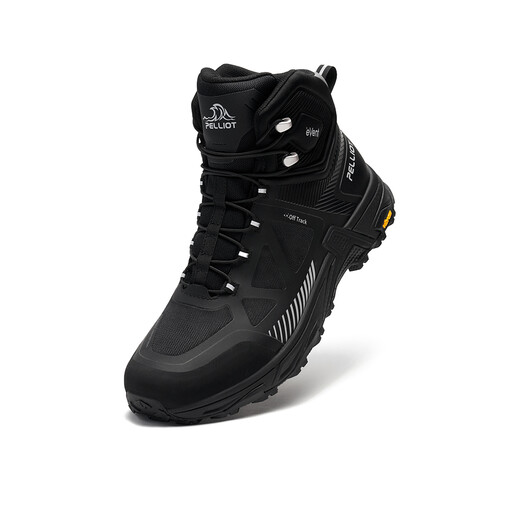
Why this product fits the profile: This model offers a clearly described material construction with an abrasion-resistant synthetic upper, waterproof and breathable lining, and a profiled rubber sole. According to the size chart, EU 42 is designed for a 260 mm foot length.
The product description provides specific details about the upper material, inner lining, sole and fit, rather than using vague outdoor terms.
Abrasion-resistant synthetic material, toe protection, waterproof lining and profiled rubber sole.
Why this product fits the profile: For longer trekking routes and varied terrain, the described specialised tread, quick-lacing system and reinforced toe area are relevant features.
The specifications make the differences between the lacing system, lug pattern, toe cap and membrane clear. This makes it easier to match the boot to your actual intended use.
Specialised lug pattern, Quick-Lace system, Nifco cord-lock and toe cap.
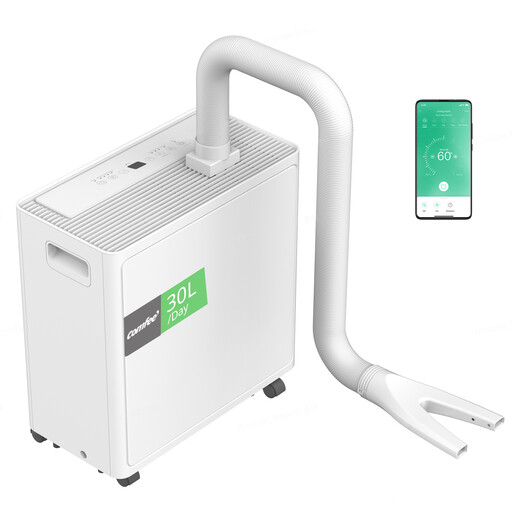
Why this product fits the profile: Heavy users can consider managing moisture in the utility room, cellar or drying area alongside boot care. According to the product specifications, this unit features a laundry drying mode and a capacity of up to 30 litres per 24 hours under stated conditions.
It does not replace gentle boot drying with direct heat, but it can reduce room humidity in a controlled way and offers tank or hose drainage.
3.2-litre water tank, continuous drainage, app control, four operating modes and a washable filter.
First remove coarse dirt with a soft brush. According to the manufacturer, the PELLIOT model should be cleaned with a damp cloth and mild soap, then dried away from direct heat. Washing machines and tumble dryers are not suitable for this purpose.
For leather, suede, canvas and trainers, a suitable shoe cleaner for leather and trainers can be useful. According to the product description, the Grepower Shoe Cleaner is sprayed on and then wiped off. Always test cleaning and waterproofing products on an inconspicuous area first, and follow the instructions on the packaging. After cleaning, the boot should be left to dry naturally, not on a radiator or with hot air.
We have compiled a complete, regularly updated list of products that fully meet these strict selection criteria and the safety regulations in force in the EU.
The lifespan depends on the terrain profile, frequency of use, body weight, care and storage. Regularly check the sole tread, seams, heel lining and the bond between sole and shaft. If you notice visible cracks or heavily worn tread, the boot should no longer be used for demanding routes.
Remove the insoles, take off coarse dirt and let the boots dry at room temperature with the closure open. Newspaper can absorb moisture, but should be changed regularly. Direct radiator heat and hot air can damage materials, adhesives and membranes. A dehumidifier for drying shoes can help with room air, but does not replace slow, material-friendly drying.
No. Waterproofing and breathability are different properties. A membrane can limit water ingress from outside, while air permeability is influenced by the material, construction, temperature, movement and socks. Therefore, check both specifications separately and choose boots to suit your route, weather and foot shape.