
Lieferung heute & morgen

Qualitätsgarantie

Willkommens-Angebote freischalten: KOSTENLOSE Lieferung | Bis zu 80 % RABATT | Kostenlose 30-Tage-JoyPlus-Testphase
App herunterladen
Wet feet, slippery soles or an uncomfortable fit often become apparent only after the first few kilometres. If you are looking for waterproof men’s hiking shoes for regular outings, you should therefore look beyond terms such as “outdoor”, “all-terrain” or “breathable”. What matters is clear information about the upper material, membrane, tread, fastening system and fit.
The following recommendations are aimed at men who hike, trek, camp or travel across changing terrain in Germany. The selection includes sizes from EU 42 to 44, as well as a shoe cleaner for leather, sneakers and other materials.
A membrane described as waterproof can keep out rain, wet grass or brief contact with water. However, this does not automatically mean that the shoe is suitable for prolonged immersion. Seams, the tongue, the transitions to the sole and the upper edge of the shaft also affect the level of protection.
For regular hiking trails, woodland paths and changeable weather, waterproof hiking shoes for men are a practical choice. In persistent heavy rain, you should also plan to use gaiters and suitable socks.
A deep sole tread can be beneficial on mud and loose terrain. On wet rock or slippery roots, however, grip also depends on the rubber compound, tread arrangement and your own walking technique. Marketing terms such as “extreme traction” are no substitute for specific information about the outsole.
Look for a clearly defined lug pattern and a sole suited to the terrain you intend to cover. For easy walking paths, an extremely coarse tread may be unnecessarily stiff or heavy.
Men’s hiking shoes with quick-fastening systems can be adjusted rapidly. This is useful during breaks, while camping or on routes with changing gradients. However, a quick-fastening system cannot compensate for an incorrect size. Excess movement at the heel can encourage blisters, while insufficient room in the toe box becomes uncomfortable on long descents.
The product information for the PELLIOT models recommends measuring your foot length and choosing the larger option if you are between sizes. The size guide is as follows:
Measure both feet in the late afternoon while wearing the socks you intend to use on your outings.
For more demanding routes, abrasion-resistant synthetic materials are a practical option. A reinforced toe cap can protect the forefoot from contact with stones and roots. It should provide sufficient room without pressing against the toes.
With robust trekking boots, shaft stability is also important. A higher shaft can offer greater protection against loose stones and dirt, while lower-cut men’s outdoor shoes often feel more flexible. Consider whether the model is intended for day hikes or longer trips with a backpack.
A breathable lining can improve comfort when your feet perspire. However, “breathable” does not mean that moisture will be transferred completely to the outside during intense activity. Waterproof membranes also reduce air exchange compared with open shoe constructions.
For longer outings, wear technical socks and allow the shoes to dry completely after use. Avoid direct heat sources, as high temperatures can damage adhesives, the upper material and the membrane.
A structured rubber outsole is useful on woodland paths, gravel and muddy sections. On highly technical terrain, experience, pace and, where necessary, additional equipment remain decisive. No shoe can replace suitable route planning.
According to the product description, the Fitgo quick-fastening system on the PELLIOT models is designed for one-handed adjustment. A one-handed Nifco Cord Lock is also specified. Before a longer outing, check that the lacing sits evenly and that the fastening holds securely.
The manufacturer recommends wiping the shoes with a damp cloth and mild soap. According to the product information, they should not be washed in a washing machine or dried in a tumble dryer.
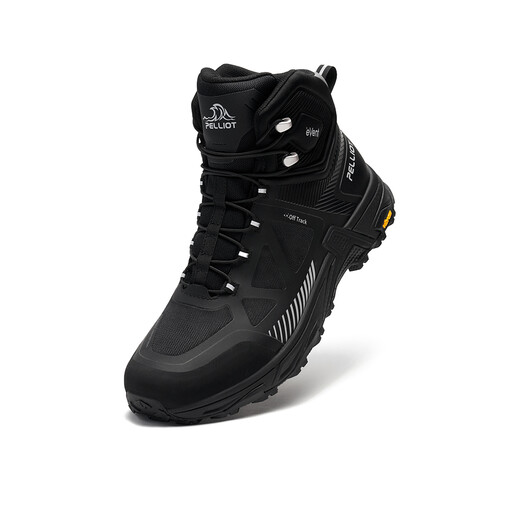
Why This Fits Their Persona: The EU 42 version is suitable for users who have measured a foot length of 260 mm and are looking for a shoe for hiking trails, camping and everyday outdoor activities.
The product description specifies a waterproof membrane, abrasion-resistant upper material and protective toe cap rather than relying solely on broad outdoor terminology.
EU 42, a rubber outsole with a structured tread and a one-handed quick-fastening system according to the product information.
Why This Fits Their Persona: According to the size chart, the EU 43 version corresponds to a 265 mm foot length and is aimed at hikers who value a breathable lining and protective details on longer routes.
The construction lists the upper material, membrane, lining and sole separately. This makes it easier to assess the relevant features before buying.
A lining described as breathable and waterproof, abrasion-resistant synthetic material and toe protection.
Why This Fits Their Persona: For users with a 270 mm foot length, this version offers a comparable construction for scree, mud, woodland terrain and longer trekking sections.
The tread is described as a rubber sole with a specialised lug arrangement. For technical climbing sections, users should nevertheless review the specific demands of the route.
EU 44, protective toe cap, abrasion-resistant upper material and structured high-profile rubber outsole according to the product description.

Why This Fits Their Persona: The cleaner complements shoes used for camping and trekking when dirt needs to be removed after an outing and the surface subsequently cared for.
The recommended application involves spraying and wiping. Nevertheless, test the product first on an inconspicuous area, particularly on leather, suede or coated materials.
Specified for sneakers, leather, suede and canvas; natural drying and reapplication by spraying for additional protection according to the product information.
Remove coarse dirt after every outing with a soft brush or damp cloth. When using a shoe cleaner for leather and sneakers, follow the instructions on the label. According to the product description, spray the Grepower cleaner from a distance of approximately 15 to 20 cm, gently wipe the surface and allow the shoe to air-dry.
The following points are particularly important:
We have put together a current selection of products that can be compared by material, protection, care requirements and intended use.
That depends on the lining, membrane and socks. In high temperatures, waterproof models may feel warmer than non-waterproof shoes. A lining described as breathable supports moisture exchange, but it cannot prevent perspiration completely.
It is not possible to provide a reliable fixed lifespan. Terrain, frequency of use, body weight, backpack load, care and storage all affect durability. Look for tread wear, cracks in the upper material, reduced sole grip and damaged fastenings. These signs are more relevant when deciding whether to replace a pair than a blanket estimate in years.
With a new shoe, first follow the manufacturer’s care instructions. After cleaning, a suitable waterproofing treatment can help support surface protection. However, it cannot turn a non-waterproof shoe into a fully waterproof model. Always check material compatibility before application.