
Lieferung heute & morgen

Qualitätsgarantie

Willkommens-Angebote freischalten: KOSTENLOSE Lieferung | Bis zu 80 % RABATT | Kostenlose 30-Tage-JoyPlus-Testphase
App herunterladen
Waterproof outdoor clothing should perform reliably in rain, wind and changing temperatures. In practice, however, poor purchases are often caused not by the price, but by unclear product information, an unsuitable fit or a lack of ventilation options. If you are looking for a waterproof outdoor jacket, a pair of walking trousers or a warm layer, you should first consider how you plan to use it and then check the technical specifications.
A water-repellent surface can initially cause light drizzle to bead off. This does not automatically mean that the garment will withstand prolonged rain. For a waterproof walking jacket, taped or covered seams, waterproof zips and an adjustable hood are also important.
The same applies to a women’s outdoor jacket or men’s outdoor jacket: it should be clear whether the garment has a water-repellent coating or a waterproof membrane. In the case of leggings, “water resistant” may simply mean protection against light rain and splashes.
A heavily insulated jacket can feel comfortable in cold weather, but may become too warm when walking uphill or cycling quickly. Moisture can then build up on the inside. Breathable technical clothing with ventilation openings, a mesh lining or a removable inner layer can be used more flexibly.
A 3-in-1 technical jacket typically combines a weatherproof outer layer with an insulating inner jacket. The two layers can be worn separately or together. This is practical, but it does not replace carefully checking the cut, weight and zip connections.
Size charts vary depending on the brand and cut. A trekking jacket must also leave enough room for a base layer and fleece jacket. Chest measurement, sleeve length, back length and freedom of movement are key. With women’s walking trousers or women’s thermal leggings, you should also consider the rise, leg length and pocket positioning.
Hydrostatic head is measured in millimetres and describes the pressure that a material can withstand under defined conditions. A higher value may indicate greater resistance to water penetration, but it is not the only deciding factor. Seams, zips, the hood opening and the condition of the garment after care also affect how practical it is for everyday use.
For this reason, a hardshell jacket should not simply list a numerical value in its description. Look for details about sealed seams, water-repellent zips and adjustable cuffs and hems.
Water vapour permeability is often given in grams per square metre over 24 hours. The testing method can vary depending on the standard used. A value such as 16.000 g/m²/24 h should therefore always be considered together with the stated testing method. Such figures describe material properties under test conditions and do not guarantee a dry feeling in every situation.
Several thin layers usually work better under a shell jacket than one very thick jumper. A women’s fleece jacket or a similar mid-layer can add warmth, while the outer layer keeps out wind and precipitation.
For walking, skiing or running, stretch panels, ergonomic sleeves and a non-restrictive cut are important. Practical pockets should be positioned so that they remain accessible when wearing a rucksack or hip belt. With women’s cargo shorts, you should also check the fastenings and the durability of the pockets.
Care instructions should not be overlooked. Cold machine washing, a gentle cycle and closing all zips are often recommended. Bleach, high temperatures or a tumble dryer can damage coatings and membranes. The instructions on the individual product are always decisive.
The following recommendations do not rank the products according to an arbitrary overall score. Instead, they group them according to specific requirements. Where mentioned, technical figures and features are taken from the respective manufacturer’s product information.
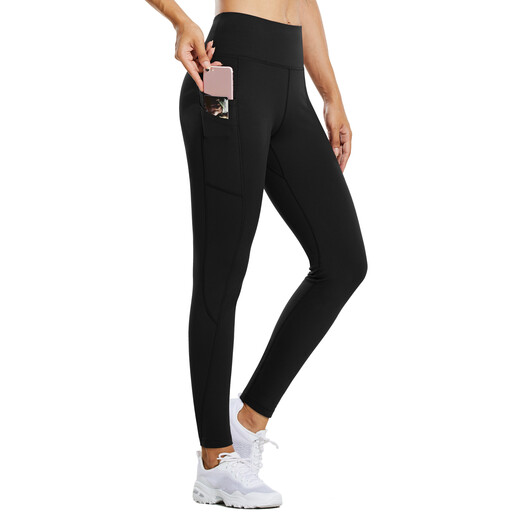
Why this product suits this profile: These fleece-lined leggings are suitable for light weather conditions, winter runs, walks and everyday travel. The stretchy material supports freedom of movement during a range of activities.
The product information distinguishes between a water-repellent outer layer and complete protection from rain. This makes it easier to assess realistically whether the leggings are suitable for light rain.
According to the manufacturer, the leggings feature a fleece-lined inside, a high waistband and five pockets, including one zipped pocket.
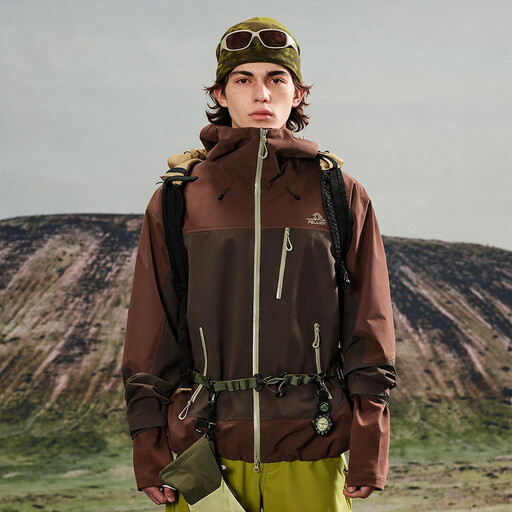
Why this product suits this profile: This hardshell jacket is aimed at people looking for a single outer layer for commuting, trekking and changeable weather. The unisex cut should be checked against the size chart and your preferred layering system.
The description explicitly states that the jacket is waterproof, breathable, wind-resistant and abrasion-resistant. This makes it easier to distinguish from basic rain covers.
According to the manufacturer, the model features underarm ventilation zips and an abrasion-resistant outer material.

Why this product suits this profile: This 3-in-1 technical jacket is ideal for women who move between the city, camping, trekking and cold commutes. According to the product description, the outer jacket and inner layer can be worn separately or together.
The flexible layering system reduces reliance on a single thick layer. Nevertheless, the stated figures should be understood as manufacturer information, not a guarantee for every weather situation.
According to the manufacturer, the jacket has a hydrostatic head of 35.900 mm H₂O, breathability of 16.000 g/m²/24 h and an abrasion-resistant construction.
We have put together a complete, regularly updated list of products that fully meet these strict selection criteria and the safety regulations applicable in the EU.
A hardshell jacket is primarily designed as a weatherproof outer layer against rain and wind. A softshell jacket often offers greater stretch and comfort, but depending on the material and construction, it may not be intended for the same level of precipitation. The exact level of waterproofing must be checked in the product description.
Follow the care label and the manufacturer’s instructions. A gentle wash cycle, low temperatures and closing the zips are commonly recommended. Fabric softener and bleach can affect the material properties. Damaged or significantly deteriorated water-repellent treatment can reduce protection from rain.
Not always. A waterproof outer layer protects against precipitation and wind, but does not automatically provide enough warmth. For cold conditions, a layering system consisting of a base layer, fleece jacket or insulating inner layer and weatherproof jacket is usually more adaptable. Activity level, temperature, wind and your personal sensitivity to the cold are all important.