
Lieferung heute & morgen

Qualitätsgarantie

Willkommens-Angebote freischalten: KOSTENLOSE Lieferung | Bis zu 80 % RABATT | Kostenlose 30-Tage-JoyPlus-Testphase
App herunterladen
A waterproof sealing tape is a fundamental requirement for numerous repair and maintenance tasks on buildings, vehicles, and installations. The function of these tapes is to create a durable and impermeable barrier against moisture, air, and dirt. Selecting the right product depends on its specific material properties, the intended application, and the environmental conditions. An informed decision is based on an analysis of technical parameters such as material composition, adhesive strength, and durability.
The effectiveness of a sealing tape is primarily determined by its backing material and the adhesive used. Two of the most common material bases are butyl rubber and silicone.
Butyl Tape: Sealing tapes based on butyl rubber are characterised by high initial adhesion and permanent plasticity. This means the material remains flexible and does not become brittle, allowing it to compensate for substrate movements. Butyl is inherently water- and airtight.
Silicone Sealing Tape: Silicone tapes are known for their high flexibility and temperature resistance. They adhere well to smooth, non-porous surfaces and offer excellent resistance to mould and UV light.
When selecting a sealing tape, the following technical parameters should be considered:
The following selection is based on an analysis of product specifications and their suitability for defined use cases.

View Product: Maxcook Waterproof And Mildew Proof Silicone Sealing Tape
Why We Recommend This Product This self-adhesive sealing tape is designed for precision sealing jobs indoors. Its material properties, particularly its resistance to mould and UV, make it a durable solution for damp environments. The ability to paint over the tape after application allows for a discreet integration into the existing design.
Advantages
Who It's For Users looking for a clean and quick seal for joints and cracks in the kitchen, bathroom, or on windows and doors. It is a practical alternative to traditional silicone from a cartridge.
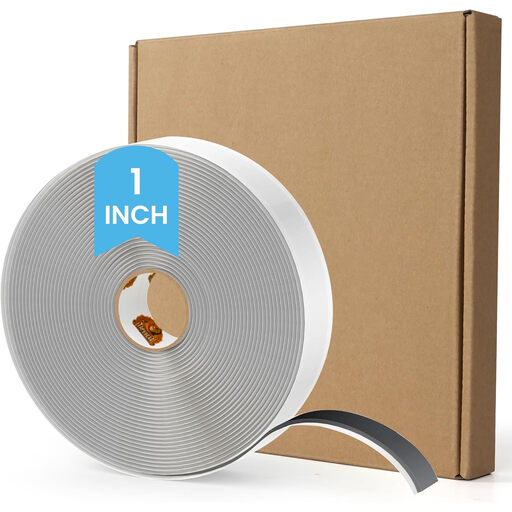
View Product: TAPEBEAR Butyl Sealing Tape Black
Why We Recommend This Product This butyl tape is designed as a robust repair tape for demanding sealing applications. With a width of 25 mm, it offers generous coverage. Its permanent plasticity allows for application on irregular surfaces and ensures a reliable seal against vibrations, making it ideal for vehicle repairs.
Advantages
Who It's For RV and boat owners, as well as DIY enthusiasts who need a strong, mouldable seal for windows, body panels, pipes, or in home construction.
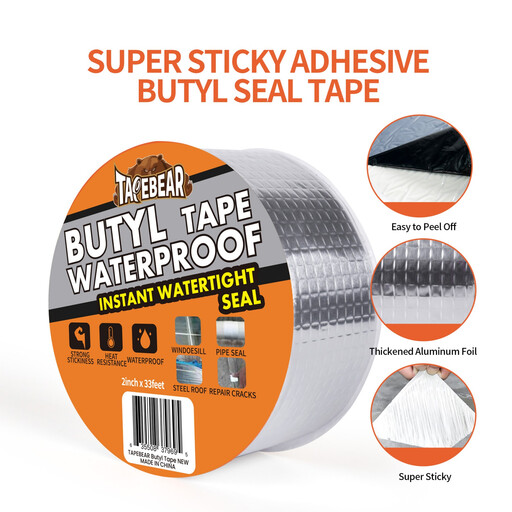
View Product: TAPEBEAR Butyl Tape Waterproof Sealant Tape
Why We Recommend This Product This high-performance sealing tape combines the adhesive power of butyl rubber with the protective function of an aluminium foil backing. This construction offers high resistance to weathering, UV radiation, and corrosion. According to the manufacturer, the adhesive strength increases over time, enabling an exceptionally durable repair.
Advantages
Who It's For Homeowners and professional tradespeople looking for a permanent solution for outdoor repairs, especially for sealing roofs or repairing leaks on pipes, ventilation systems, and RVs.
If the products featured do not exactly meet your requirements, it may be worthwhile to consider other specialised tapes. You can find a wider selection of technical adhesive tapes for various purposes in our Barrier Tape category.
1. What is the difference between butyl tape and silicone sealing tape? The main difference lies in the material and its resulting properties. Butyl tape is a plasto-elastic sealant with very high adhesive strength, making it ideal for uneven substrates and outdoor applications (e.g., roofs, RVs). Silicone sealing tape is highly elastic, mould-resistant, and is preferably used for smooth surfaces indoors, such as in bathrooms and kitchens.
2. What is the lifespan of a waterproof sealing tape? The lifespan depends heavily on the material, the quality of the application, and environmental factors. High-quality butyl tapes with a UV-protective layer or silicone tapes can last for many years when applied correctly to a clean, dry substrate. Direct sunlight and extreme temperature fluctuations can affect durability.
3. Can a self-adhesive sealing tape be applied to damp surfaces? No. For an optimal and durable bond, the substrate must always be clean, dry, and free of grease, oil, or dust. Moisture between the adhesive and the surface prevents the formation of a stable connection and compromises the sealing effectiveness.
Authored by: Joybuy Product Recommendation Officer