
Lieferung heute & morgen

Qualitätsgarantie

Willkommens-Angebote freischalten: KOSTENLOSE Lieferung | Bis zu 80 % RABATT | Kostenlose 30-Tage-JoyPlus-Testphase
App herunterladen
For experienced hikers and mountaineers, choosing the right footwear is not a matter of style, but of function and safety. An unsuitable boot can not only make a tour unpleasant but also dangerous. Yet the market for waterproof trekking boots is filled with marketing promises that often obscure more than they clarify. Before you make a decision, you should know the most common pitfalls that lead to disappointment and unnecessary expense.
Many outdoor enthusiasts invest in boots that look great on paper but fail on the trail. This is often due to three common misconceptions:
To avoid these traps, focus on the technical fundamentals. Three parameters are non-negotiable when selecting robust and reliable boots for mountaineering and challenging treks.
A truly waterproof trekking boot features a permanently integrated membrane. This microporous layer prevents water molecules from penetrating from the outside but allows water vapour (sweat) to escape from the inside. Pay attention to the quality of the membrane, as it is the key to dry feet and comfort. Breathable hiking boots are essential to prevent blisters and chilling caused by moisture.
The sole is the direct point of contact with the terrain. For demanding tours, slip-resistant mountain boots with a well-engineered sole construction are required.
The best technology is useless if the boot doesn't fit. The boot must be snug without creating pressure points and allow the toes enough room to move. Lacing is about balancing comfort and reliability. A trekking boot with a quick-lacing system can be a useful feature if the mechanism is robust and can be operated even with gloves on. Models with precise one-handed adjustment offer a clear advantage here.
Based on these objective criteria, we have identified some models that are suitable for different, demanding areas of use.
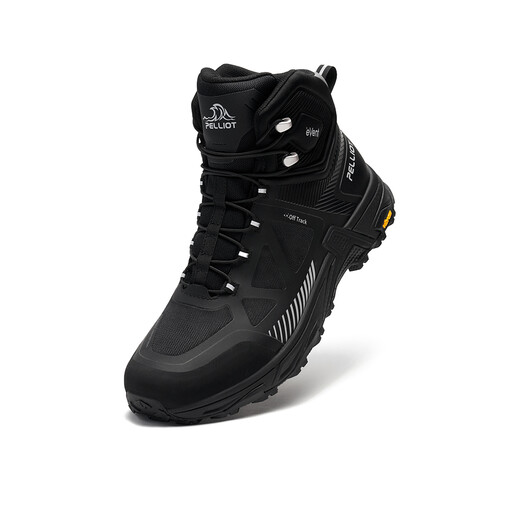
Why this model is a fit: Engineered for technical terrain and demanding treks where stability and grip are paramount. Ideal for mountaineers who need to trust their gear implicitly.
This model uses an integrated, breathable, and waterproof membrane instead of a simple surface coating. The sole's specialised lug pattern is designed for grip on wet rock and loose scree, avoiding the 'looks aggressive, performs poorly' trap.
The combination of a Fitgo quick-lacing system for precise, one-handed adjustment and a durable, abrasion-resistant overall construction with a protective toe cap.
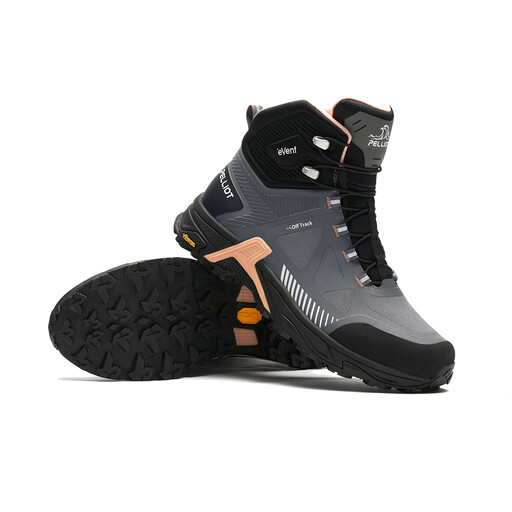
Why this model is a fit: The high-cut design provides essential ankle stability for multi-day tours with a pack. Its construction is focused on durability and protection in variable terrain.
This model provides reliable waterproofing via a membrane and a rugged build that withstands contact with scree and undergrowth. The focus is on lasting protection, not short-lived gimmicks.
The high-cut design stabilises the ankle joint, which reduces fatigue over long distances and increases safety on uneven ground. A very durable outdoor boot.
A reliable boot is the foundation, but for multi-day tours, the right equipment is also crucial. A durable backpack protects your change of clothes and provisions from the elements.
The right boot is only one part of your kit. For demanding tours, a durable companion for your gear is just as crucial.
Question 1: How long does the waterproof membrane in trekking boots last? The lifespan of a waterproof membrane depends heavily on the intensity of use and care. With regular use and proper care, a high-quality membrane can remain functional for several years. It is important to clean the boots of dirt after each tour and let them dry slowly at room temperature, never near a direct heat source.
Question 2: Are trekking boots with quick-lacing systems better than those with traditional laces? This is a matter of personal preference and intended use. Trekking boots with a quick-lacing system offer great convenience and allow for quick adjustments, even with gloves on. Traditional laces, on the other hand, are universal and easy to replace, which can be a safety factor on long, remote tours. However, modern, high-quality quick-lacing systems are very reliable and a practical alternative for most applications.
Question 3: Do I need to break in waterproof hiking boots? Yes, breaking them in is highly recommended. Even though modern materials often provide a good fit right out of the box, new boots should be worn on shorter walks before the first major tour. This allows the boot to adapt to your foot shape and helps you identify potential pressure points early, before they become a problem on a long hike.