
Lieferung heute & morgen

Qualitätsgarantie

Willkommens-Angebote freischalten: KOSTENLOSE Lieferung | Bis zu 80 % RABATT | Kostenlose 30-Tage-JoyPlus-Testphase
App herunterladen
If you’re looking for waterproof women’s hiking boots for scree, mud, wet rock or multi-day treks, don’t view product claims in isolation. A waterproof membrane is no substitute for a stable fit, and a chunky outsole doesn’t automatically grip securely on every surface. For experienced walkers, trekking fans and mountaineers, it’s the interplay of several features that matters.
As a Joybuy Product Recommendation Officer, I distil the most important buying criteria from the available information and align them with real-world use.
A waterproof membrane can reduce water ingress through the upper. It won’t automatically protect against water that enters over the collar, tongue or top edge of the boot. When fording streams or in heavy rain, the shaft height, tongue construction and how the boot seals around your ankle also matter.
You should also follow the care instructions. For the PELLIOT model described here, it’s recommended to clean the boot with a damp cloth and mild soap, let it air-dry away from direct heat sources, and avoid the washing machine and tumble dryer.
Deep lugs can offer advantages on loose scree or muddy paths. On smooth, wet rock, actual grip also depends on the rubber compound, lug layout, ground contact and your walking technique. Terms such as “slip-resistant” or “all-terrain” shouldn’t be taken as blanket safety guarantees.
A quick-lacing system saves time and is often easy to use with gloves. It can help fine-tune the fit, but it won’t fix a toe box that’s too short or a last that’s too wide. On long descents, your toes shouldn’t hit the front. At the same time, your heel shouldn’t lift noticeably as you walk.
For waterproof hiking boots for women, at least three details are key:
A general standard such as EN ISO 20347 sets requirements for certain occupational and safety footwear, but it’s not automatically evidence for any hiking boot. Only assume such certification if it’s explicitly stated for the product.
For women’s hiking boots intended for demanding terrain, the following details are more meaningful than pure marketing phrases:
The PELLIOT High-Top Hiking Boots are described as having a lugged rubber sole with a tread designed for wet rock, loose scree and muddy slopes. These are tangible product features; however, they don’t guarantee specific grip on every surface.
High women’s hiking boots can enclose the ankle more than low-cut women’s outdoor shoes. That can be a sensible construction choice for uneven ground and heavy loads. Freedom of movement and individual support remain decisive.
For the PELLIOT model described, a Fitgo quick-lacing system and a Nifco cord lock are specified. According to the product information, they’re intended for one-handed adjustment and can be operated with gloves. Before heading out on a multi-day trek, test the system at home with the hiking socks you’ll actually wear.
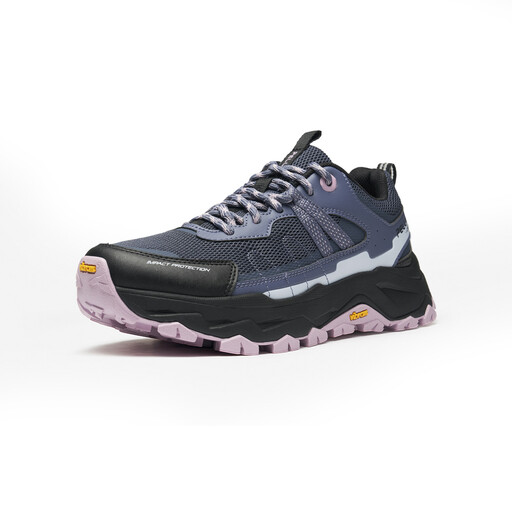
Why this product fits the profile: The size 39 version is aimed at buyers entering the PELLIOT women’s hiking boot range who want to verify the exact product details directly before purchase.
The exact size is specified. Before buying, check the waterproofing, outsole pattern and shaft height on the product page against how you plan to use the boots.
Clearly stated size 39 and a sporty colour combination; you can verify the equipment details directly on the listing.
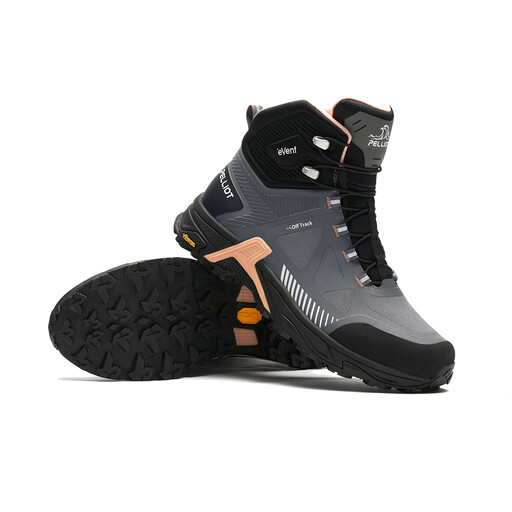
Why this product fits the profile: The high-cut version with protective toe cap, abrasion-resistant synthetic upper, a membrane described as waterproof and a lugged rubber sole is intended for trekking tours and changeable weather.
The details list not only waterproofing but also the materials, toe protection, sole and closure system. This lets you evaluate key buying criteria separately.
High shaft, protective toe cap, inner membrane described as waterproof, plus Fitgo and Nifco quick-closure systems according to the product description.
Why this product fits the profile: The size 37 variant offers the same stated construction basis for those seeking robust women’s mountain boots for camping, longer hikes or less predictable trails.
The stated size grid makes selection easier. For half sizes, the product description recommends choosing the larger option; also factor in your hiking socks.
Available in size 37; abrasion-resistant upper, toe protection and a lugged rubber outsole are specified in the product details.
PELLIOT’s size information lists the following foot lengths:
Measure both feet in the evening while wearing your intended socks. The longer foot is the reference. Between two sizes, the larger option can offer more room, but it shouldn’t be so loose that your heel slips on descents.
We’ve compiled a complete, continuously updated list of products that fully meet these strict selection criteria and the safety regulations in force in the EU.
First brush off coarse dirt when dry, then clean the upper with a damp cloth and mild soap. Let the boots dry at room temperature. Direct heat from radiators, the washing machine and the tumble dryer can damage the materials, adhesives or membrane.
Lifespan depends on terrain, length of your hikes, body weight, load, care and storage. Visible cracks, severely worn lugs, reduced heel hold or moisture ingress are reasons to inspect or replace. A blanket kilometre figure isn’t reliable without standardised usage conditions.
A high shaft, lugged sole and protective toe cap can be appropriate for uneven ground. For technical ascents, also check whether stiffness, edging support, compatibility with the equipment you need and the fit meet your specific requirements. The label “women’s trekking boots” alone isn’t sufficient proof.