
Lieferung heute & morgen

Qualitätsgarantie

Willkommens-Angebote freischalten: KOSTENLOSE Lieferung | Bis zu 80 % RABATT | Kostenlose 30-Tage-JoyPlus-Testphase
App herunterladen
When looking for waterproof women’s hiking boots, many people focus first on the upper material or a bold claim such as “All-Terrain”. But for challenging hikes, several features matter together: a good fit, a grippy outsole, adequate toe protection and a fastening system that remains easy to use in wet conditions or with gloves on.
As a Joybuy Product Recommendation Officer, I assess product information against clear, verifiable criteria. The advice below will help you make sense of marketing claims and choose the right women’s outdoor shoes for camping, trekking and mountain walks.
A waterproof membrane can help keep out rain and splashes. But that doesn’t mean the boots are designed for prolonged immersion, deep streams or consistently wet conditions inside the boot. The tongue, seams and join between the upper and sole all affect how well they keep water out.
So check whether the retailer provides specific details about the membrane. The product descriptions for the PELLIOT models featured here state that the lining uses a breathable waterproof membrane. When crossing streams, water depth, how you wear the boots and how you care for them all matter.
A heavily patterned sole can be an advantage on loose ground. But how well it performs also depends on the rubber compound, the spacing between the lugs, sole stiffness and consistent contact with the ground. Mud can clog deep tread grooves, while a high-profile sole won’t automatically provide more grip on smooth rock.
When choosing non-slip hiking boots, look for a clearly specified rubber sole with a pronounced lug pattern. The PELLIOT models are described as having a high-grip rubber sole and a specialised anti-slip tread. These are objective product features, but they don’t guarantee grip on every surface.
Hiking boots with quick fastening are easy to adjust on the go. Even so, the heel, midfoot and toe area must fit properly to begin with. Boots that are too loose can let your feet slide forwards on descents; a toe box that’s too tight can cause pressure points on long walks.
The product information recommends measuring your foot and choosing the larger size if you’re between sizes. Check this advice against your individual foot shape and the thickness of your hiking socks.
For scree, wet woodland paths and muddy climbs, grippy outsoles with well-defined lugs are a good choice. Look for:
For hiking boots for challenging terrain, the join between the upper and sole should also be neatly finished. Visible gaps or uneven bonding could be signs that the boots may not last as long.
An abrasion-resistant synthetic upper is useful when you’re walking through branches, over rocks and across scree. A reinforced toe area can help shield the front of your foot from light knocks. According to the product information provided, the PELLIOT models have an abrasion-resistant synthetic upper and a protective toe cap.
Hiking boots with toe protection aren’t automatically suitable for alpine climbing or use with crampons. If you’re looking for mountain boots for technical ascents, also check details such as torsional stiffness, crampon compatibility and whether the sole is designed for that purpose. This information isn’t available for the models below.
Women’s high-top hiking boots cover more of the area above the ankle than low-cut hiking boots. This can provide extra support around the ankle on scree and uneven ground, but it’s no substitute for careful lacing and the right size.
According to the product information, the Fitgo quick-fastening system can be operated with one hand. A Nifco cord fastening is also mentioned, which can be adjusted while wearing gloves. Before you buy, check that the specific product variant has the same fastening system.
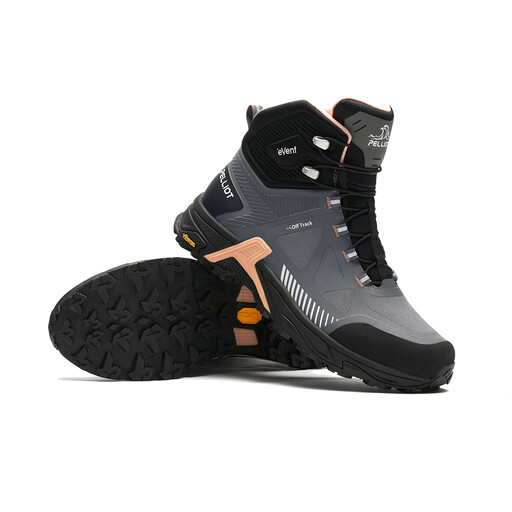
Why this product suits this profile: The EU 37 version is aimed at shoppers who measure their feet carefully before buying and are looking for high-top boots for walking trails, camping and occasional treks.
The product information specifies a waterproof membrane, a treaded rubber sole and a toe cap, rather than relying on vague outdoor claims.
High-top design, abrasion-resistant synthetic material and a quick-fastening system that can be operated with one hand, according to the product description.
Why this product suits this profile: EU 38 is a good option for hikers who value protective details, adjustability and a structured sole for varied terrain.
The listing gives specific details about the material, membrane, toe protection and sole tread. This makes it easier to check key features before buying.
Waterproof membrane according to the retailer, high-grip rubber sole and quick fastening with one-handed adjustment.
Why this product suits this profile: EU 39 may be worth considering for longer walks with thicker hiking socks, provided it matches your measured foot length and preferred fit.
A foot-length chart helps you choose the right size. This reduces the risk of ordering based only on your usual shoe size.
Abrasion-resistant upper, protective toe cap and treaded rubber sole according to the product information.
According to the care instructions, wipe the boots clean with a damp cloth and mild soap. Leave them to dry at room temperature, away from direct heat. Washing machines and tumble dryers can damage the upper, membrane, adhesives and sole joints.
Their lifespan depends on the distance you walk, your weight, the terrain, storage and care. Regularly check for worn tread, cracks in the upper, areas where the sole is coming away and reduced support around the heel. Wear may become visible sooner if you often walk on scree or tarmac.
We’ve put together a complete, regularly updated list of products that meet these strict selection criteria and fully comply with the safety regulations in force in the EU.
They can be suitable for rainy routes, provided the membrane, construction and care are all up to the job. Waterproof doesn’t mean the boots can stay submerged for long periods. Water can also get in over the top of the boot and soak your feet.
Your toes shouldn’t touch the front, especially when walking downhill. At the same time, your heel shouldn’t lift noticeably as you walk. Measure both feet in the afternoon while wearing the hiking socks you plan to use, then compare the measurements with the size chart for the product you’re considering.
Sturdy trekking boots for women are a good choice if your walks regularly take you over scree, mud, wet roots or uneven paths. For easy walking routes, a lower-cut, more flexible outdoor shoe may be enough. For technical mountain walks, also check the manufacturer’s stated use limits, sole stiffness and any climbing features.